
Crime Wave
2018
No user ratings available yet
Representation score: 6.3 out of 10
Representation Score
Excellent
2018
Director
H.P. Mendoza
Runtime
96 minutes
Average Rating
No ratings yetNew Showbiz Analysis
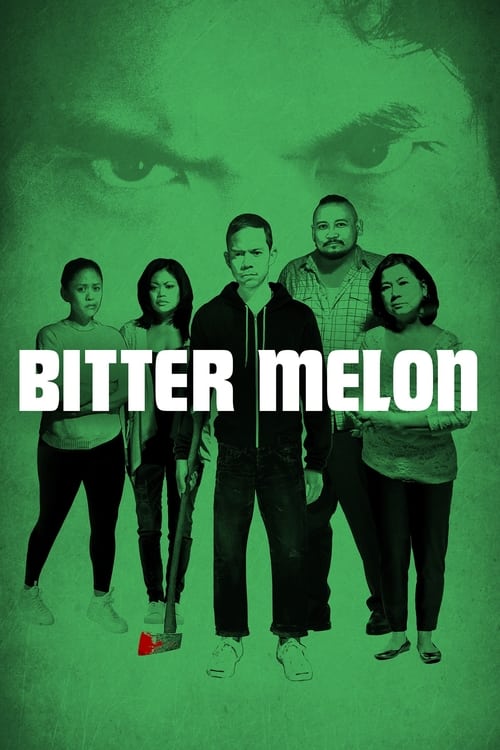
Bitter Melon stands out as a sharp, culturally specific character study that disrupts the typical holiday reunion cliché. It excels in its authentic portrayal of Filipino-American immigrant dynamics, providing genuine ability to act to its characters of color. The film effectively subverts traditional gender hierarchies and maternal archetypes, using the domestic setting to explore complex psychological tensions. It avoids superficial stereotypes and instead delves into nuanced family dynamics. However, the film lacks explicit LGBTQ+ representation and does not deeply engage with disability ability to act. Psychological themes serve primarily as plot devices rather than dedicated studies of neurodivergence.
Category Breakdown
The film does not explicitly include LGBTQ+ identities or romantic relationships. It explores non-traditional interpersonal dynamics but does not focus on LGBTQ+ specificities or critiques of the assumption that everyone is straight or cisgender.
The narrative challenges traditional gender hierarchies by breaking down the nurturing mother archetype. It centers on women's psychological conflicts and their roles in navigating domestic trauma.
The film offers authentic Filipino-American representation through realistic immigrant family dynamics. It avoids including someone from a minority group without giving them real depth by focusing on the specific cultural nuances of a Filipino household.
By depicting violence as a response to abuse, the film critiques the idealized Western sanctity of the family unit during holidays. It portrays the holiday as a site of trauma.
The story explores invisible psychological trauma and the blurring of reality. However, mental health issues function more as thematic drivers than specific explorations of neurodivergence.
Present on Screen
Limited or Absent
Official Synopsis
When a Filipino-American family reunites for a Christmas party, the holiday takes a dark turn when they conspire to murder the abusive bully of the family.
2018

2018

2021

1994
2019

2018

2018
2021
No reviews yet. Be the first to share your thoughts on this movie!
Use the rating form above to leave a star rating and optional review.