Freehold
2017
No user ratings available yet
Representation score: 3.0 out of 10
Representation Score
Fair
2018
Not RatedDirector
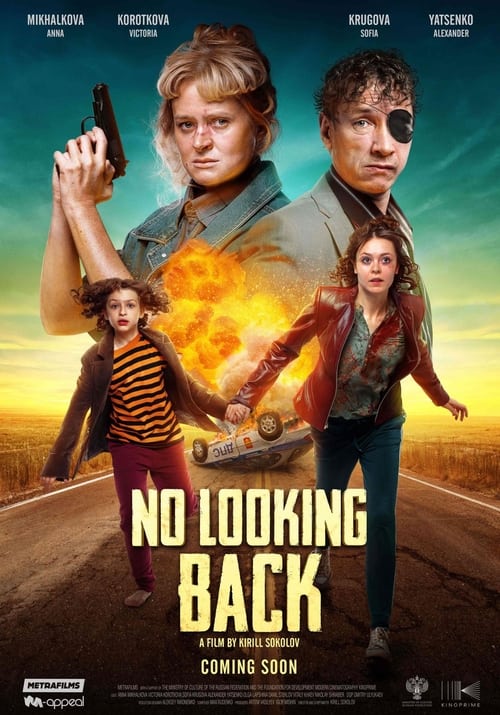
Kirill Sokolov
Runtime
94 minutes
Average Rating
No ratings yetNew Showbiz Analysis
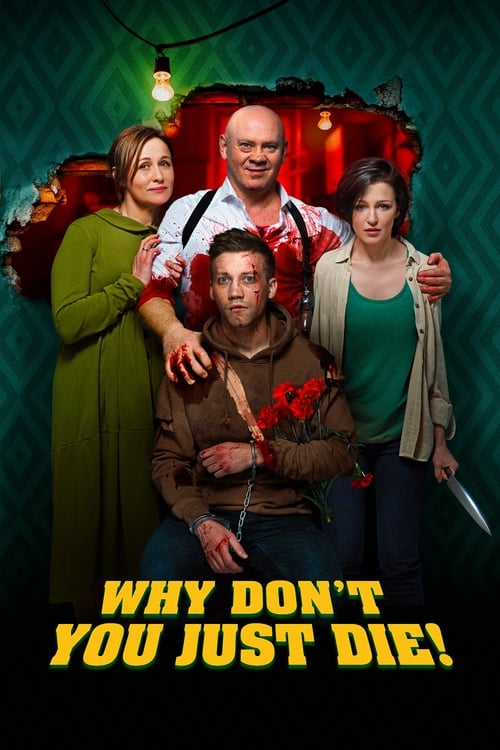
Kirill Sokolov’s film is a claustrophobic, absurdist study of domestic decay. It effectively deconstructs Western social institutions by framing the traditional family as an oppressive and dysfunctional space rather than a pillar of strength. However, the work lacks demographic breadth, focusing on a homogeneous social circle that results in low visibility for racial, ethnic, and LGBTQ+ identities. The film prioritizes a deep, uncomfortable exploration of moral relativism over social variety.
Category Breakdown
The film focuses on a specific, neurotic household unit and does not include any LGBTQ+ characters or narratives that question the assumption that everyone is straight or cisgender.
The story challenges traditional gender roles by showing male characters as incompetent and volatile. A resentful actress daughter suggests a move away from the typical submissive feminine role.
The film portrays a homogeneous, middle-class social circle. It emphasizes the internal tensions of a localized, largely non-diverse community.
The film questions the idea of the nuclear family as a sacred institution by showing it as a toxic and dysfunctional space. It prioritizes breaking down authority and social norms.
While the film explores neurosis and extreme social dysfunction, it does not include any characters with disabilities or give them real depth.
Present on Screen
Limited or Absent
Official Synopsis
Andrey, a detective and the world's most horrible father, brings together a terrible group of people in his apartment: his resentful actress daughter, an angry thug, and a cheated cop. Each one of them has a reason to want revenge..
2017

2018
2018

2013
2015
2017
2022
2014
No reviews yet. Be the first to share your thoughts on this movie!
Use the rating form above to leave a star rating and optional review.