
Female Trouble
1976
No user ratings available yet
Representation score: 8.7 out of 10

Representation Score
Good
1994
RDirector
John Waters
Runtime
94 minutes
Average Rating
No ratings yetNew Showbiz Analysis
Serial Mom is a satirical film that prioritizes narrative subversion over broad demographic representation. It excels in deconstructing traditional gender roles and Western social norms, offering a sharp critique of the idealized American lifestyle. However, the film's narrow demographic focus limits its broader social scope. It lacks meaningful representation of racial, ethnic, or LGBTQ+ identities, remaining anchored in a homogeneous suburban environment. Ultimately, the film's strength lies in its cultural and gendered commentary, using moral relativism to challenge traditional values.
Category Breakdown
The film centers on a strictly heterosexual and cisgender perspective, lacking any representation of LGBTQ+ identities or queer ability to act.
Beverly Sutphin challenges the 'perfect housewife' stereotype through her extreme actions and violent behavior. She breaks away from traditional feminine passivity and demonstrates significant control over the narrative.
The film is set in a homogeneous, affluent white suburb with little to no representation of racial or ethnic diversity.
The story effectively critiques Western social institutions and suburban consumerism, replacing traditional morality with a subjective ethical viewpoint.
The film does not include any characters with visible or invisible disabilities, focusing instead on class and social performance.
Present on Screen
Limited or Absent
Official Synopsis
Beverly is the perfect happy homemaker, along with her doting husband and two children, but this nuclear family just might explode when her fascination with serial killers collides with her ever-so-proper code of ethics.
1976

1944

2000

1982

1998

1972
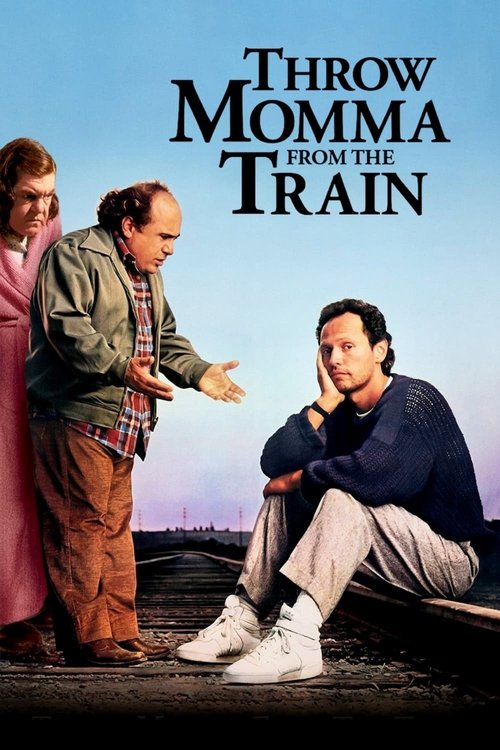
1987

1988
No reviews yet. Be the first to share your thoughts on this movie!
Use the rating form above to leave a star rating and optional review.