Toro
2016
No user ratings available yet
Representation score: 3.0 out of 10
Representation Score
Fair
2000
Director
Miguel Hermoso
Runtime
98 minutes
Average Rating
No ratings yetNew Showbiz Analysis
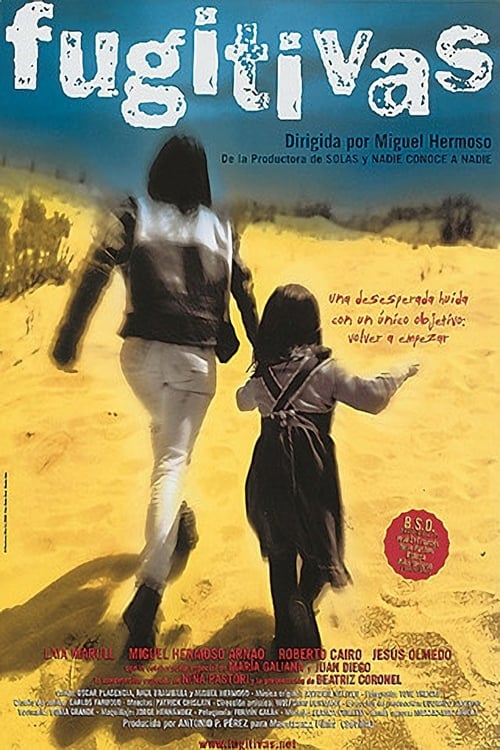
Fugitivas is a genre-driven crime drama that emphasizes character's ability to drive the story and social subversion over explicit identity politics. The film successfully places a female lead in a gritty, male-dominated environment, giving her significant narrative power. However, the film’s scope is narrow regarding characters who reflect more than one aspect of diversity. It lacks meaningful engagement with LGBTQ+ themes and shows little racial diversity, focusing instead on localized Spanish settings and class struggles. While the film effectively critiques traditional social stability and moral norms, its limited engagement with other identity categories results in a modest diversity profile.
Category Breakdown
The film does not explicitly depict LGBTQ+ identities. The main romantic relationship focuses on Tony and Juanjo, who are heterosexual.
Tony is a strong female lead who drives the plot and navigates complex betrayals in a male-dominated world. She is not relegated to a passive role.
The story focuses on regional Spanish identity and socio-economic class. It does not feature a racially diverse cast or blend different ethnic backgrounds.
The story deconstructs idealized family structures through fractured, transactional relationships. It centers on characters living outside conventional morality and institutional respectability.
No characters have physical or neurodivergent disabilities. There is no visible representation of disability in the narrative.
Present on Screen
Limited or Absent
Official Synopsis
Tony is a young crook preparing for a bank robbery with her boyfriend Juanjo and their low-life partners Maxi and Moco. Right before they commit the crime, Juanjo informs Tony that his prostitute sister wants him to take her young daughter Laura to visit the girl's father, a flamenco singer in the Spanish southern coastal town of Tarifa. Juanjo persuades the initially reluctant Tony that Laura will provide the couple with a perfect cover after they relieve their partners of the robbery's earnings. Unfortunately, though the robbery comes off without a hitch, the duplicitous Juanjo absconds with the cash, making Tony and Laura fugitives both from the law and from the psychotically angry Maxi and Moco.
2016
2000

1995
1980

1991

1989
1998

2008
No reviews yet. Be the first to share your thoughts on this movie!
Use the rating form above to leave a star rating and optional review.