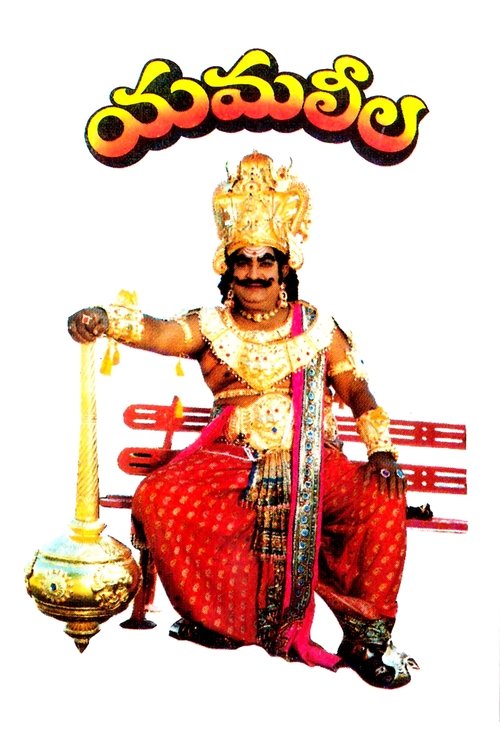
Yamaleela
1994
No user ratings available yet
Representation score: 4.5 out of 10
Representation Score
Limited
1995
Director
K. Murali Mohana Rao
Runtime
162 minutes
Average Rating
No ratings yetNew Showbiz Analysis
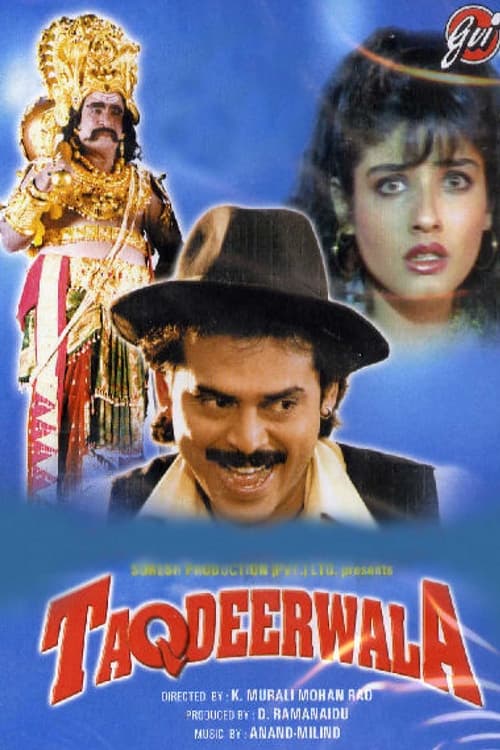
Taqdeerwala is a traditional genre piece that utilizes mythological clichés to drive a comedic and action-oriented plot. The narrative structure prioritizes established cultural hierarchies and cosmic order over challenging social norms. The film functions as a product of its era, focusing on conventional character archetypes and a centralized, patriarchal structure. It does not demonstrate intentionality toward representing multiple aspects of identity or disrupting institutional values. Ultimately, the film adheres to established commercial conventions rather than attempting to deconstruct systemic hierarchies or present progressive narrative structures.
Category Breakdown
The film operates within a traditional framework that assumes everyone is straight or cisgender. There is no evidence of queer narratives or non-cisgender identities present in the story.
Women play a limited role in the story, primarily within traditional familial contexts. Men have more control over the plot and take leading roles.
The cast is ethnically homogeneous, reflecting a specific cultural identity. It lacks intentional blending of different backgrounds or diverse ethnic mixing within the character arcs.
The story relies on traditional mythological motifs like Yamraj and Chitragupt. These spiritual frameworks are used as foundational logic rather than being critiqued.
There is no documented evidence of characters navigating physical, sensory, or neurodivergent disabilities.
Present on Screen
Limited or Absent
Official Synopsis
Shri Bhramma is unhappy with Yamraj and his assistant, Chitragupt, as they have misplaced a book or prophecy called "Bhavishya Vani", and asks them to go down to Earth and find the book within 30 days or else they will lose their status in heaven and will be forced to live as mortals on Earth. The two descend to Earth, and find out that the book is in the possession of a man named Suraj, who is unwilling to give up the book as he has read the prophecy about his mother's dying. This refusal is catastrophic as Yamraj cannot plan anyone's death, and no one will be permitted to die unless and until the book comes in his possession. At the same time there is an evil man named Chota Ravan who is trying to possess the book in order to spread his control over Bombay.
1994

2000
2012
1992

2014
2007
2019
1990
No reviews yet. Be the first to share your thoughts on this movie!
Use the rating form above to leave a star rating and optional review.