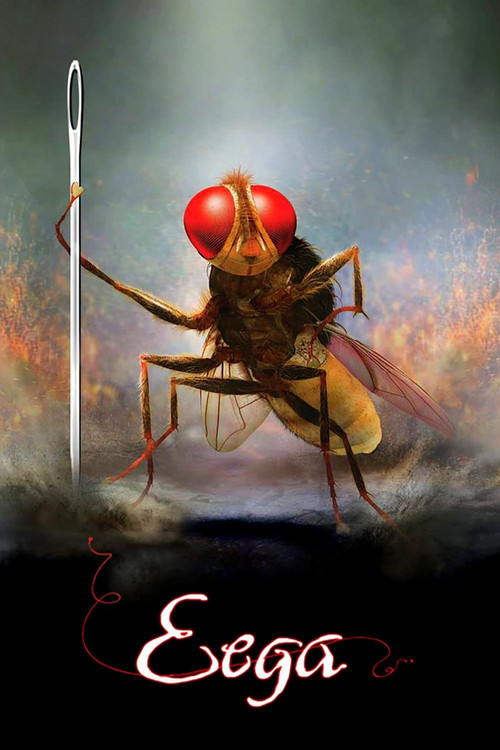
Eega
2012
No user ratings available yet
Representation score: 3.7 out of 10
Representation Score
Limited
2007
Not RatedDirector
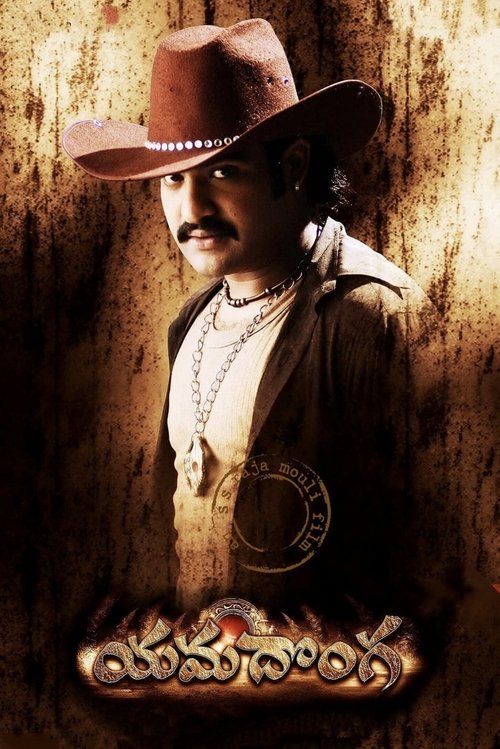
S. S. Rajamouli
Runtime
178 minutes
Average Rating
No ratings yetNew Showbiz Analysis
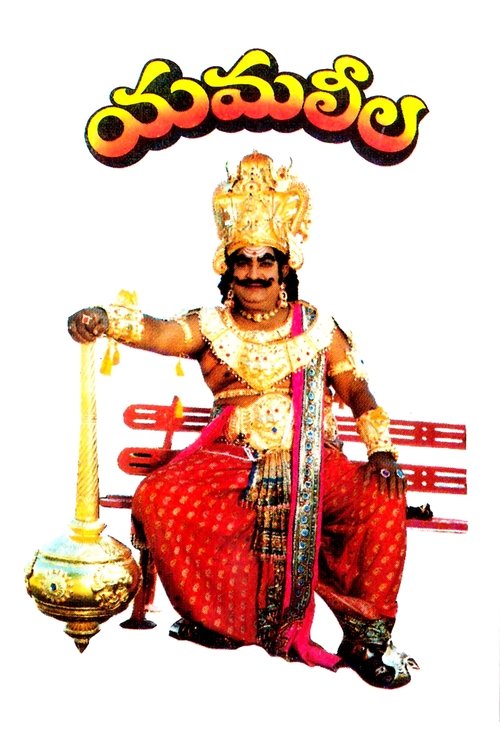
Yamadonga is a typical commercial masala film that emphasizes high-concept spectacle and genre entertainment over diverse representation. The narrative structure revolves around traditional masculine archetypes and a conventional romantic pairing. While the film lacks demographic diversity, it offers a nuanced critique of systemic corruption and moral relativism. By presenting the underdog's subversion of social order as a moral necessity, it provides a localized mythic tale with cultural relevance. Ultimately, the film focuses on regional authenticity and moral relativism rather than broad social inclusivity.
Category Breakdown
The film does not include any LGBTQ+ characters or explore themes of queer intimacy. It follows a traditional storyline focused on a heterosexual relationship.
The narrative is dominated by masculine traits, with the male protagonist driving the story through wit and physical confrontations. The female lead primarily serves as a romantic interest and emotional support.
The cast is predominantly of a single cultural background, reflecting the specific regional requirements of Telugu-language cinema. It maintains localized ethnic authenticity without incorporating diverse cultures.
The story critiques concentrated wealth and systemic corruption through a lens of moral relativism. It portrays the protagonist's actions as necessary tools for achieving justice against corrupt elites.
There are no prominent depictions of physical, neurodivergent, or sensory disabilities. Characters with disabilities are not used as central plot devices or character arcs.
Present on Screen
Limited or Absent
Official Synopsis
Raja, an orphaned thief, dies while helping a gang in kidnapping a wealthy heiress, Mahi, in exchange of money. He then lands in Yamlok and fights with Yama, the god of death, to get his life back.
2012
2009
2012

1988
2019
2012
2010
1994
No reviews yet. Be the first to share your thoughts on this movie!
Use the rating form above to leave a star rating and optional review.