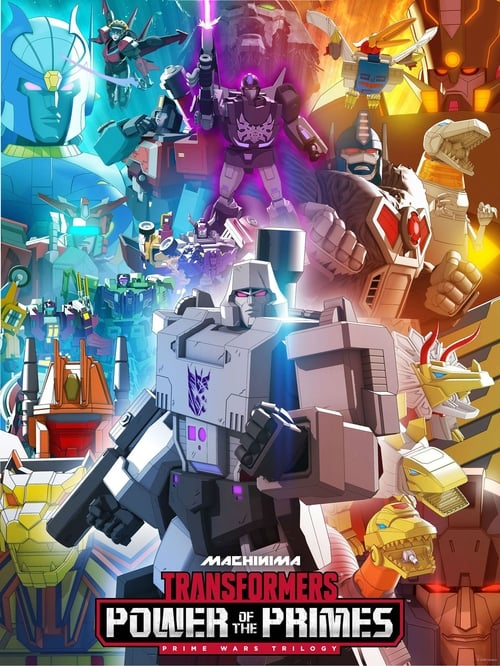
Transformers: Power of the Primes
2018
No user ratings available yet
Representation score: 4.9 out of 10
Representation Score
Excellent
2017
Director
Yuuzou Satou
Runtime
117 minutes
Average Rating
No ratings yetNew Showbiz Analysis
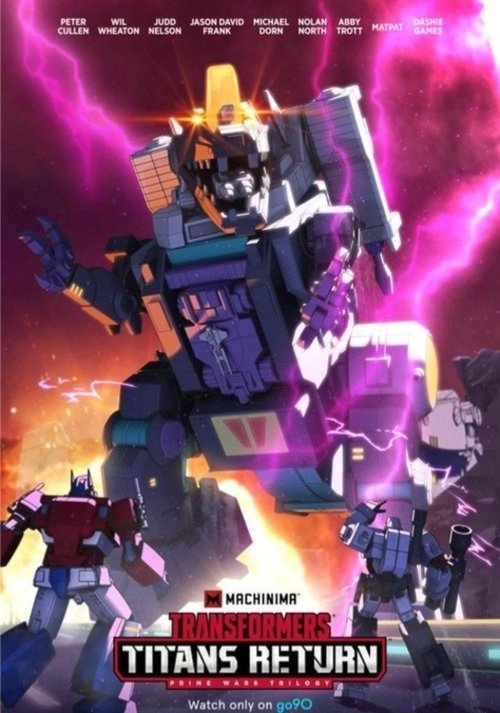
Transformers: Titans Return offers a moderate level of progressive intent by centering female leadership within a high-concept science fiction setting. The film challenges standard genre clichés by positioning Windblade as a tactical leader capable of mobilizing legendary figures. The narrative shifts away from simple good-versus-evil struggles, focusing instead on the complexities of reincarnation and systemic upheaval. By assembling a diverse, ragtag coalition, the film adopts a more pluralistic approach to its cast. While the film lacks explicit social commentary or specific depictions of neurodivergence and LGBTQ+ identities, its structural focus on rebuilding and shifting power dynamics provides a nuanced departure from typical action narratives.
Category Breakdown
The story focuses on mechanical and existential conflicts between characters such as Windblade and Trypticon. There is no explicit depiction of LGBTQ+ identities or same-sex relationships.
Windblade challenges traditional gender roles by serving as the central strategist and protagonist. She commands respect from powerful characters like Optimus Prime and Megatron, defying conventional expectations of female authority.
The film uses non-human species to represent diverse identities. A ragtag team structure highlights a pluralistic coalition of characters rather than a uniform heroic ideal.
Themes of post-war reconstruction and reincarnation explore moral complexity. The narrative delves into the instability of established orders and the ethics of rebuilding a fractured world.
Some characters experience existential trauma, but it is unclear if these portrayals offer meaningful depictions of permanent disability.
Present on Screen
Limited or Absent
Official Synopsis
After the Combiner Wars ended, Cybertron started to be rebuilt. However, an undead Starscream has been reincarnated as Trypticon, wreaking havoc around him. To combat this menace, Windblade gathers up a ragtag team of Transformers, including Optimus Prime and Megatron, to resurrect an ancient ally. And while some may be forever changed by the events, others may not emerge with their sparks intact.
2018
1986

2018
2004
2016
2007
2017

2013
No reviews yet. Be the first to share your thoughts on this movie!
Use the rating form above to leave a star rating and optional review.