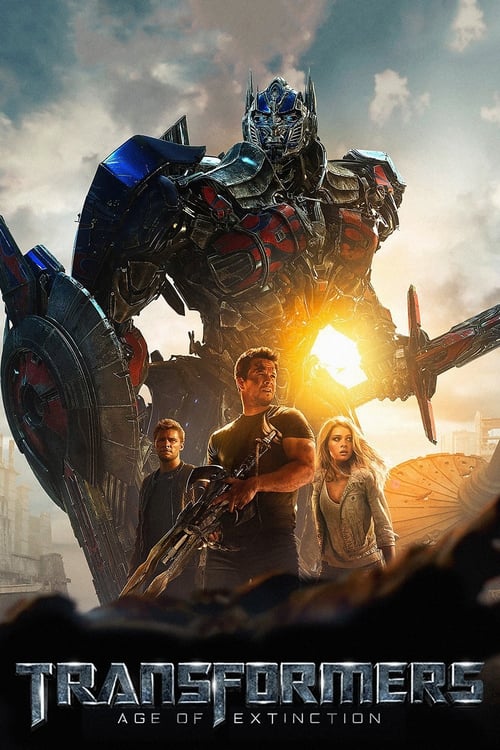
Transformers: Age of Extinction
2014
No user ratings available yet
Representation score: 2.1 out of 10
Representation Score
Limited
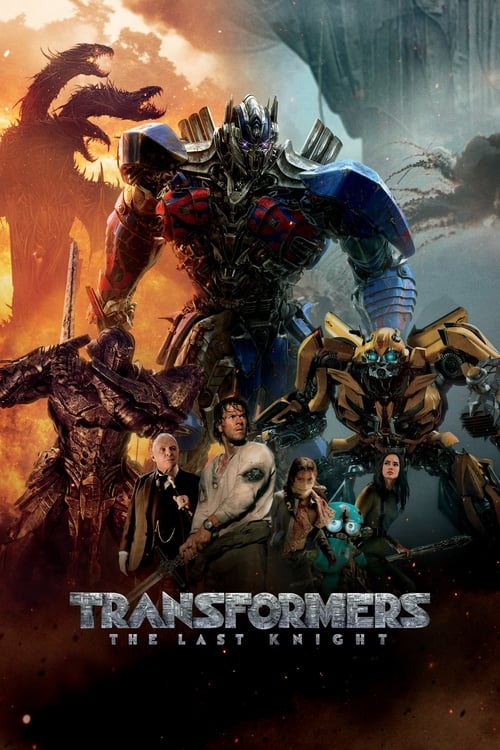
2017
PG-13Director
Michael Bay
Runtime
154 minutes
Average Rating
No ratings yetNew Showbiz Analysis
Transformers: The Last Knight follows a conventional blockbuster trajectory that prioritizes established genre clichés over narrative subversion. The film relies on traditional masculine leadership and a predominantly white ensemble, which limits its multi-layered depth. While the movie offers a critique of institutional authority and portrays the TRF as an oppressive force, it fails to challenge broader social hierarchies. The lack of diverse representation across gender, race, and disability keeps the film within a traditionalist framework.
Category Breakdown
The film operates within a strictly straight-centered framework. There is no discernible presence of LGBTQ+ characters or non-straight identities.
Narrative momentum relies on traditional male archetypes like Cade Yeager. Female characters like Viviane Wembly exist, but they function within a male-led mission structure.
The central ensemble leans heavily toward a white, Anglo-Saxon cast. Characters of color lack a significant role in driving the story or positions of high importance within the story.
The story critiques Western governmental structures by portraying the TRF as an oppressive entity. However, this lacks a deeper ideological deconstruction of religion or capitalism.
There is no meaningful representation of visible or invisible disabilities. Characters with physical or neurodivergent traits do not drive the plot.
Present on Screen
Limited or Absent
Official Synopsis
Humans and Transformers are at war. Optimus Prime is gone. The key to saving our future lies buried in the secrets of the past, in the hidden history of Transformers on Earth. Saving our world falls upon the shoulders of an unlikely alliance: Cade Yeager; Bumblebee; an English Lord; and an Oxford Professor.
2014
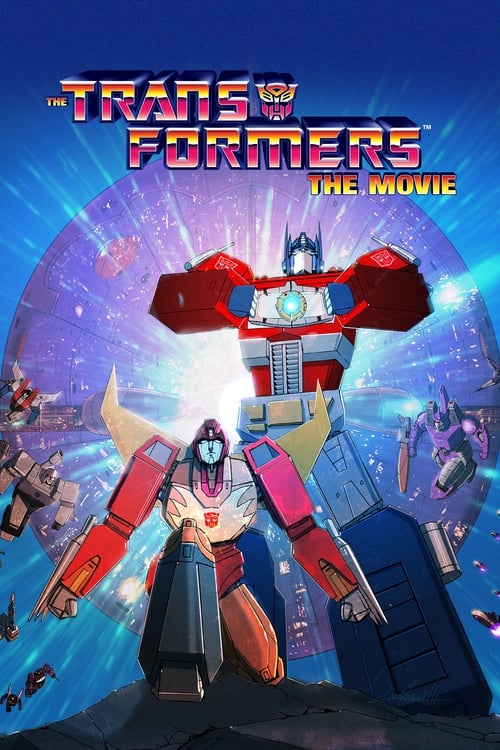
1986
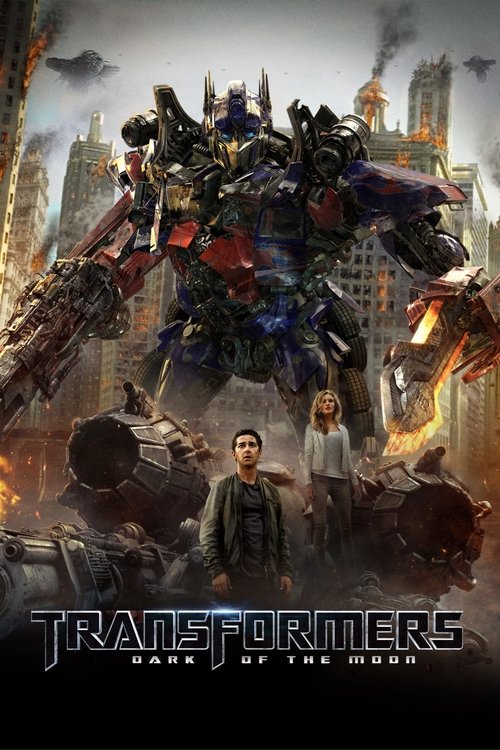
2011
2006
2009
2007
2007
2008
No reviews yet. Be the first to share your thoughts on this movie!
Use the rating form above to leave a star rating and optional review.