
All Power to the People!
1996
No user ratings available yet
Representation score: 6.2 out of 10
Representation Score
Good
2014
TV-PGDirector
Stephen Ives
Runtime
113 minutes
Average Rating
No ratings yetNew Showbiz Analysis
Stephen Ives' documentary excels at capturing the systemic friction of 1964, particularly through its strong focus on racial justice and the ability to act of African Americans. It effectively frames the year as a clash between traditional institutions and emerging countercultural movements. However, the film lacks depth in specific identity-based narratives. It provides little visibility for LGBTQ+ individuals or people with disabilities, treating these subjects as peripheral to the larger political landscape. Overall, while the film is a powerful study of racial and cultural upheaval, its scope remains centered on macro-level sociopolitical shifts rather than diverse individual identities.
Category Breakdown
The film emphasizes broad sociopolitical changes rather than specific LGBTQ+ stories. It focuses on racial justice and the generational gap instead of exploring non-straight identities.
Representation is tied to macro-level shifts in social dynamics rather than individual characters. The era's questioning of traditional gender roles is highlighted through the rise of counterculture.
The film highlights the lived experiences and ability to act of African Americans. By focusing on civil rights struggles in Mississippi and Harlem, it makes racial justice a central theme.
The film presents the year as a conflict between established institutions and progressive movements. It examines the breakdown of traditional social structures.
There is no indication that neurodivergence or physical disabilities play a central role in the narrative. Their representation is secondary to the broader political movements.
Present on Screen
Limited or Absent
Official Synopsis
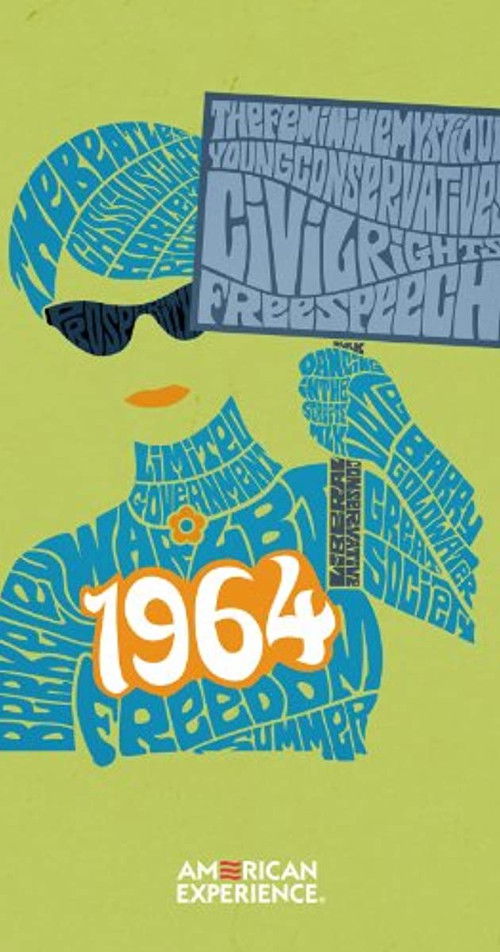
1964 was the year the Beatles came to America, Cassius Clay became Muhammad Ali, and three civil rights workers were murdered in Mississippi. It was the year when Berkeley students rose up in protest, African Americans fought back against injustice in Harlem, and Barry Goldwater’s conservative revolution took over the Republican Party. In myriad ways, 1964 was the year when Americans faced choices: between the liberalism of Lyndon Johnson or Barry Goldwater’s grassroots conservatism, between support for the civil rights movement or opposition to it, between an embrace of the emerging counterculture or a defense of traditional values.
1996
2015
1970
2017

2009
2016
1983
2005
No reviews yet. Be the first to share your thoughts on this movie!
Use the rating form above to leave a star rating and optional review.