
Half Past Dead
2002
No user ratings available yet
Representation score: 1.8 out of 10
Representation Score
Limited
2000
RDirector
Antoine Fuqua
Runtime
119 minutes
Average Rating
No ratings yetNew Showbiz Analysis
Antoine Fuqua’s *Bait* is a gritty, urban crime thriller that stands out for its strong racial authenticity. By focusing on a predominantly Black cast in Harlem, the film avoids the typical clichés of the genre and offers a nuanced look at systemic entrapment. However, the film struggles with gender balance, as the plot is driven almost exclusively by male dynamics and hierarchies. Female characters have limited influence, often serving as emotional motivators for the male characters rather than independent drivers of the plot. While the film lacks LGBTQ+ representation and disability-focused narratives, its deconstruction of institutional authority and its realistic portrayal of socioeconomic pressures provide a compelling, culturally specific experience.
Category Breakdown
The film lacks LGBTQ+ characters or storylines that go beyond traditional heterosexual relationships. The social landscape emphasizes traditional masculine hierarchies and heterosexual romance.
The narrative focuses heavily on male dynamics and hierarchies, with female characters having limited influence, often serving as emotional motivators for the male characters rather than independent drivers of the plot.
The film excels in racial authenticity by centering a predominantly Black cast in Harlem. It avoids the typical white-centric focus of crime thrillers to explore the intersection of race and systemic pressures.
The story portrays a world where survival is more important than legal boundaries. It frames the underground economy as a response to systemic constraints and institutional tensions.
There are no significant depictions of visible or invisible disabilities that drive the narrative or serve as central character traits.
Present on Screen
Limited or Absent
Official Synopsis
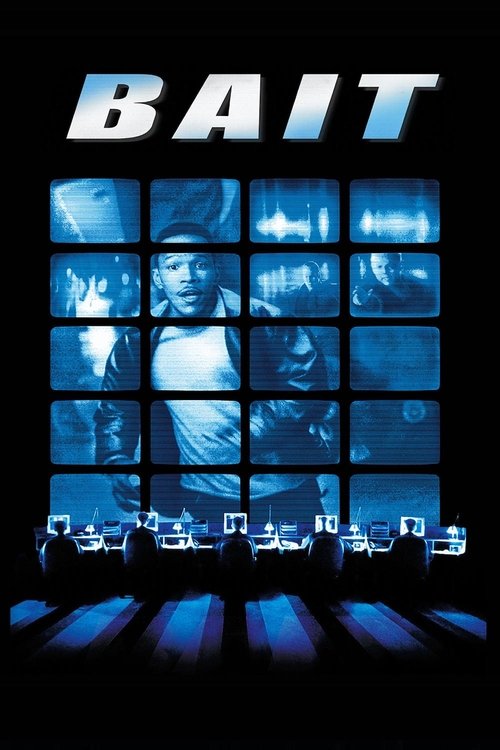
Landing in jail for a petty theft crime, Alvin finds himself sharing a cell with John Jaster, the incarcerated half of the pair of high-tech thieves responsible for the missing gold. His partner, Bristol, is still at large. Alvin wants only to get out of prison and start fresh with his girlfriend, Lisa, and when the Feds, led by U.S. Treasury investigator Clenteen, set him loose on a sketchy deal, he thinks his luck has changed. Alvin has his freedom and the Feds have found their bait.
2002

1992

2005

1994

2009

1971

2000

1990
No reviews yet. Be the first to share your thoughts on this movie!
Use the rating form above to leave a star rating and optional review.