
Judgment Night
1993
No user ratings available yet
Representation score: 2.1 out of 10
Representation Score
Minimal
1992
RDirector
Walter Hill
Runtime
101 minutes
Average Rating
No ratings yetNew Showbiz Analysis
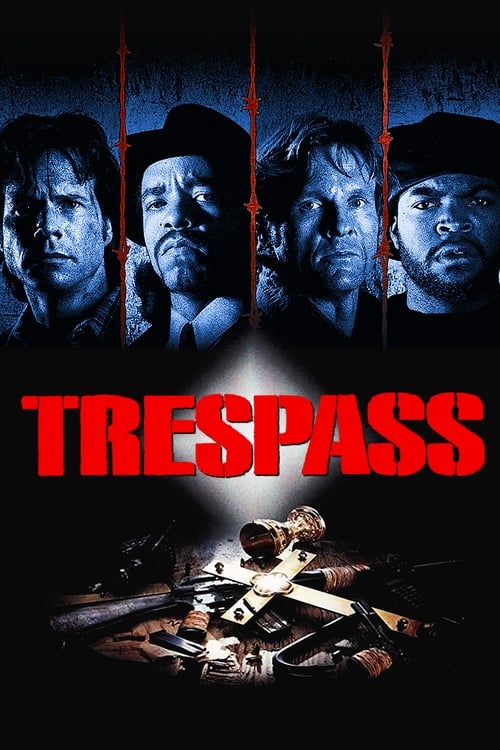
Trespass is a typical 1990s crime thriller that emphasizes high-stakes tension and physical conflict over social issues. The narrative sticks to established genre conventions, focusing on greed and survival in a gritty urban environment. The film maintains traditional social and narrative structures, offering limited engagement with diverse perspectives. It relies on masculine archetypes and uses diverse characters mainly as catalysts for conflict rather than for nuanced exploration. Overall, the film reinforces existing hierarchies rather than challenging them through diverse viewpoints.
Category Breakdown
The film does not include any LGBTQ+ characters or identities that challenge traditional heterosexual norms. The story focuses solely on the main characters and their immediate conflicts.
The narrative emphasizes male protagonists and reinforces traditional masculine roles. Although Madeleine Stowe's character is important to the plot, the film upholds conventional gender hierarchies.
The film introduces racial tension through a local gang but does not develop multi-layered characters or use color-blind casting to break down barriers.
The story centers on survivalist morality and the pursuit of wealth, without engaging with anti-capitalist or post-colonial themes.
The film does not depict any characters with visible or invisible disabilities, nor does it use such characters as narrative devices.
Present on Screen
Limited or Absent
Official Synopsis
Two Arkansas firemen, Vince and Don, get hold of a map that leads to a cache of stolen gold in an abandoned factory in East St. Louis. What they don't know is that the factory is on the turf of a local gang, who come by to execute one of their enemies. Vince sees the shooting, the gang spots Vince, and extended mayhem ensues. As Vince and Don try to escape, gang leader King James argues with his subordinate Savon about how to get rid of the trespassers.
1993

1989
2012
1978
1979

1972

1976
1992
No reviews yet. Be the first to share your thoughts on this movie!
Use the rating form above to leave a star rating and optional review.