
Daughter of the Jungle
1982
No user ratings available yet
Representation score: 2.6 out of 10
Representation Score
Limited
1996
Not RatedDirector
Francis Veber
Runtime
100 minutes
Average Rating
No ratings yetNew Showbiz Analysis
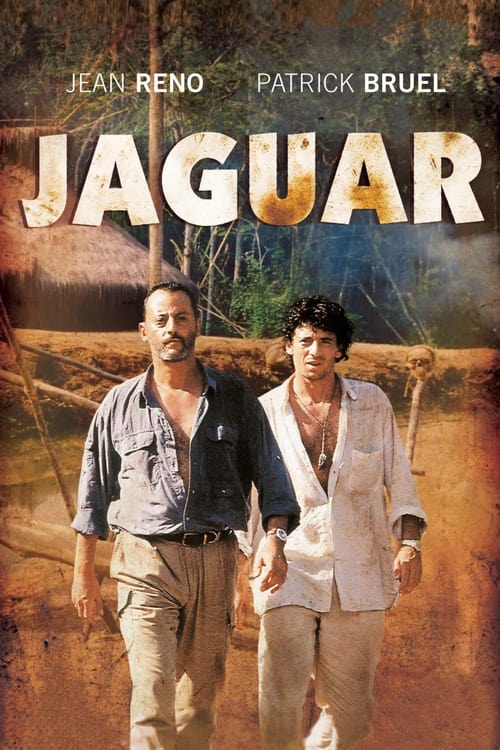
Jaguar is a traditional character-driven comedy that prioritizes situational irony over social disruption. It adheres to mid-1990s cinematic conventions, focusing on individualistic pursuits and romantic clichés. The film uses a cross-cultural encounter as a narrative device rather than a tool for deep exploration. While the shaman introduces an outsider element, the film lacks the intentionality to engage with complex post-colonial themes. Ultimately, the work functions as a stylized comedy where cultural and gendered dynamics serve the plot rather than challenging established social hierarchies.
Category Breakdown
The film lacks LGBTQ+ characters or non-straight relationships. The interpersonal dynamics are centered on traditional heterosexual relationships throughout the story.
While the female lead shows professional ability to act as a photographer, the plot relies on traditional gender stereotypes. Narrative tension is primarily driven by male archetypes.
The cast is predominantly white and European. The South American shaman serves as a plot catalyst rather than a character with deep cultural significance.
The story operates within a standard Western framework. It avoids significant engagement with anti-Western or secularist critiques, focusing instead on individualistic comedic struggles.
There are no prominent depictions of physical or neurodivergent disabilities. No such characters drive the plot or play a significant role in driving the story.
Present on Screen
Limited or Absent
Official Synopsis
A shaman from the South American rain forest visits France for a public relations campaign. In a hotel's elevator in Paris he meets a French good-for-nothing named Perrin he's fascinated with. He follows Perrin to his flat and although Perrin is not very enthusiastic about so much interest in his person, he lets the shaman spend the night in his flat. After an official meeting on the next day being part of the PR campaign the shaman suffers from a heart attack. Hardly being able to speak and laying in a hospital bed he demands to see Perrin. The latter is not very interested in meeting the shaman again. However it looks like it is to late for animosities as the shaman and Perrin seem to be tied mentally somehow since they've met in the elevator.
1982

2016

2009
1981

2011
1989

2018

1997
No reviews yet. Be the first to share your thoughts on this movie!
Use the rating form above to leave a star rating and optional review.