Kal Ho Naa Ho
2003
No user ratings available yet
Diversity score: 5.8 out of 10
1997
RDirector
Theodore Witcher
Runtime
109 minutes
Average Rating
No ratings yetSynopsis
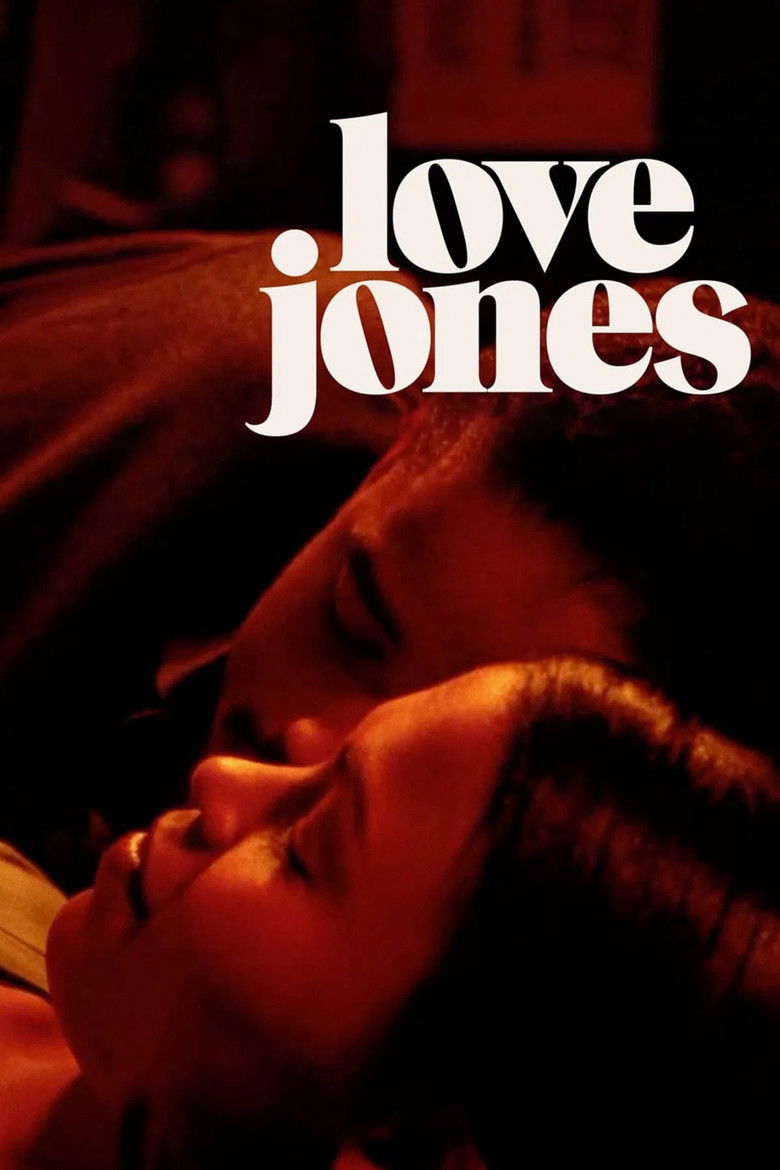
Darius Lovehall is a young black poet in Chicago who starts dating Nina Moseley, a beautiful and talented photographer. While trying to figure out if they've got a "love thing" or are just "kicking it," they hang out with their friends, talking about love and sex. Then Nina tests the strength of Darius' feelings and sets a chain of romantic complications into motion.
Overall Score
Fair
Category Breakdown
LGBTQ+ Representation
The film focuses on heteronormative romantic development. It lacks central LGBTQ+ characters or narratives that explicitly critique traditional romantic tropes.
Gender Representation
Nina Moseley is depicted with significant agency and intellectual parity. The story emphasizes emotional vulnerability and female autonomy over traditional patriarchal dominance.
Racial & Ethnic Diversity
The film centers an almost exclusively Black cast within a middle-class, creative urban setting. It avoids struggle narratives, focusing instead on Black intellectualism and artistry.
Religious & Cultural Diversity
The narrative celebrates a bohemian, artistic lifestyle centered on communal expression. It prioritizes localized urban culture and emotional truth over mainstream consumer-driven values.
Disability Representation
There are no prominent depictions of visible or invisible disabilities. Characters are defined by their professional and artistic identities.
Strengths
Areas for Improvement
AI Analysis
Love Jones stands out for its intentionality in centering Black intellectualism and creative life. By focusing on a Black poet and photographer, the film disrupts 1990s Hollywood norms and avoids the typical struggle narratives often imposed on characters of color. While the film excels in racial representation, it remains largely traditional in its romantic structure. The narrative architecture is built around heteronormative connections, offering little space for LGBTQ+ perspectives or the deconstruction of gendered social institutions. Ultimately, the film is a sophisticated alternative to mainstream romance. It succeeds by elevating Black identity through a lens of artistic agency and emotional depth, even if it stays within conventional bounds regarding disability and queer visibility.
2003
2005
2019
2005
1994

2002
2009
2007
1989
1998
1998
1994
No reviews yet. Be the first to share your thoughts on this movie!
Use the rating form above to leave a star rating and optional review.