My Brother's Gun
1997
No user ratings available yet
Representation score: 4.3 out of 10
Representation Score
Limited
1994
RDirector
Michael Karbelnikoff
Runtime
100 minutes
Average Rating
No ratings yetNew Showbiz Analysis
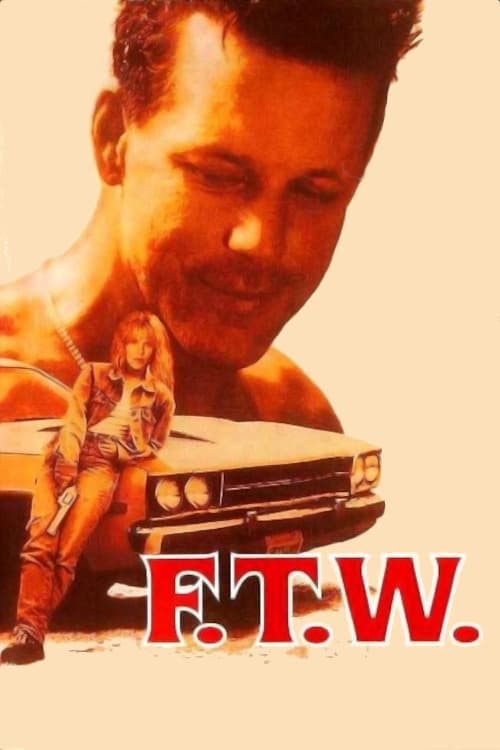
F.T.W. operates as a conventional mid-90s crime drama, prioritizing genre-standard character arcs over social commentary. The narrative centers on a classic outlaw dynamic between an ex-con and a bank robber, following established romantic and criminal clichés. While the film touches on themes of individualistic freedom and social exclusion, it lacks the intentionality to disrupt traditional hierarchies. The setting and character archetypes suggest a focus on traditional Western motifs rather than representing multiple aspects of identity. Ultimately, the film functions as a standard genre piece. It explores the periphery of legality but does not offer a commitment to inclusion or progressive restructuring of social or cultural identities.
Category Breakdown
The story centers around a heterosexual relationship between Frank T. Wells and Scarlett Stuart. It does not include characters with non-binary genders or stories that challenge the assumption that everyone is straight or cisgender.
Scarlett Stuart is portrayed as a wild woman involved in crime, avoiding some submissive feminine stereotypes. However, the plot follows traditional man-and-woman-on-the-run clichés.
The narrative seems focused on traditional Western archetypes within the American rodeo circuit. There is no indication of a diverse or non-Anglo-Saxon majority cast.
The film explores the American Dream through social outliers. While it critiques societal structures via its protagonists, it leans into traditionalist Western motifs.
The available information does not mention characters with visible or invisible disabilities.
Present on Screen
Limited or Absent
Official Synopsis
A man and a woman running from their pasts are trapped on a collision course with the future. Frank T. Wells, a newly-released ex-con looking for a few acres of freedom on the rodeo circuit. Scarlett Stuart, a wild beautiful woman on the run from a bank robbery gone desperately wrong. Together they will explore their own personal vision of the American Dream.
1997
1949

2022
1937
1990
1990
1975

1992
No reviews yet. Be the first to share your thoughts on this movie!
Use the rating form above to leave a star rating and optional review.