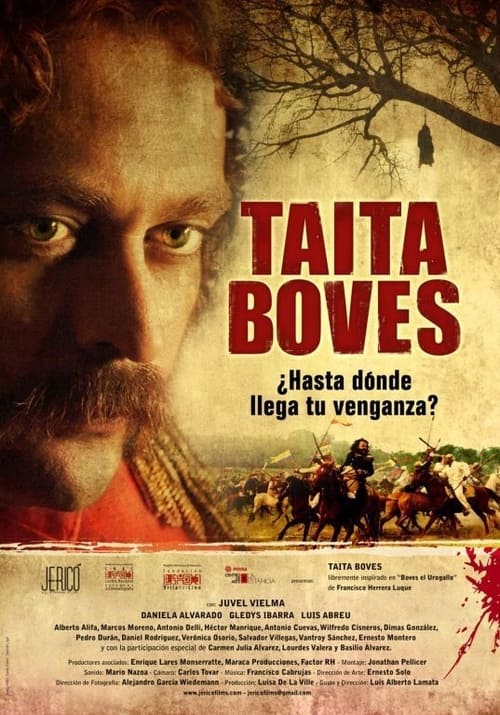
Taita Boves
2010
No user ratings available yet
Representation score: 5.2 out of 10
Representation Score
Fair
2003
Director
Guillermo Rincón
Runtime
74 minutes
Average Rating
No ratings yetNew Showbiz Analysis
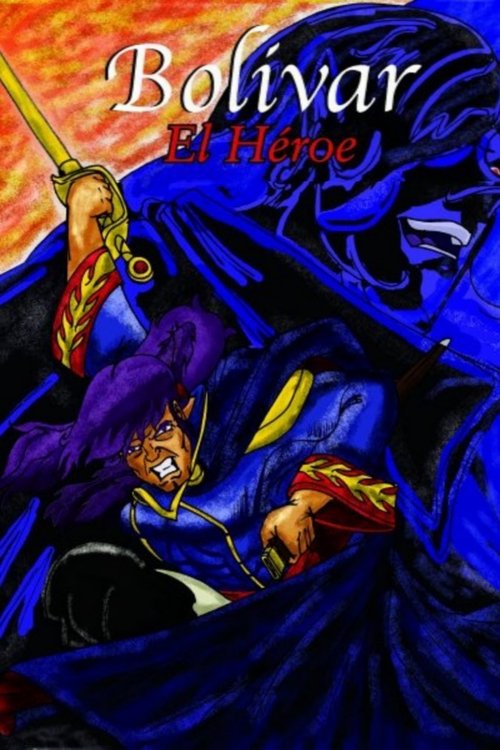
Bolívar, el héroe succeeds as a piece of historical revisionism that challenges colonial hegemony. By centering the struggle for Latin American autonomy, the film effectively shifts the focus away from Eurocentric perspectives toward regional identity. However, the film remains tied to traditional archetypes. It relies heavily on the 'Great Man' narrative and lacks visible indicators of LGBTQ+ or gender-challenging storytelling, which limits its breadth of representation. The strength of the work lies in its symbolic characterization, using archetypes to elevate the ability to act of the oppressed and dismantle colonial hierarchies through an animated medium.
Category Breakdown
The film does not explicitly include LGBTQ+ characters or explore non-straight relationships. The narrative focuses primarily on the historical struggle for independence.
The story centers on the 'Great Man' theory of history through Simón Bolívar. It emphasizes masculine leadership and military struggle rather than challenging traditional gender roles.
The film prioritizes the ability to act of non-Anglo-Saxon characters by focusing on Latin American independence. Symbolic characters like Américo represent the desire for freedom among enslaved and colonized populations.
The narrative challenges Western-centric clichés by presenting the Spanish Empire as a systemic antagonist. It aligns with anti-colonial frameworks to prioritize collective liberation.
There is no information regarding the inclusion or portrayal of characters with physical or neurodivergent disabilities.
Present on Screen
Limited or Absent
Official Synopsis
This animated film tells the life story of the liberator Simón Bolívar: from his birth in Caracas and his education, to his travels, battles and the struggle against Spanish rule for Latin American independence. In this narrative, historical conflicts are simplified through fictional characters like “Tiránico,” symbolizing Spanish evil and domination, and “Américo,” who represents slavery and the people’s yearning for freedom.
2010
2013
2016
1952
1980

2008
1984
2016
No reviews yet. Be the first to share your thoughts on this movie!
Use the rating form above to leave a star rating and optional review.