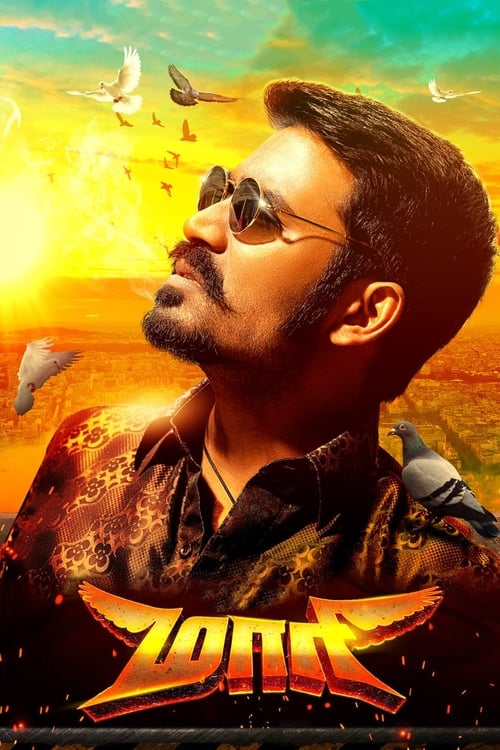
Maari
2015
No user ratings available yet
Diversity score: 2.7 out of 10

2006
Not RatedDirector
Vikram Chopra
Runtime
140 minutes
Average Rating
No ratings yetSynopsis
Four friends head off to Bombay and get involved in the mother and father of all gang wars.
Overall Score
Limited
Category Breakdown
LGBTQ+ Representation
The film lacks any evidence of non-heteronormative identities or same-sex intimacy. The narrative focus remains strictly on the central group of four friends and their gang warfare.
Gender Representation
The story leans toward masculine-coded archetypes typical of action cinema. While female agency isn't explicitly denied, the focus on combat suggests a reliance on traditional gender hierarchies.
Racial & Ethnic Diversity
Set in Bombay, the film naturally engages with South Asian ethnic identities. However, it is unclear if the casting challenges or reinforces existing regional social hierarchies.
Religious & Cultural Diversity
The plot centers on localized power struggles and urban instability. There is no indication of a broader critique regarding religious structures or Western institutions.
Disability Representation
The character descriptions provide no mention of neurodivergence, physical disabilities, or chronic illness. The focus remains entirely on the kinetic elements of the gang war.
Strengths
Areas for Improvement
AI Analysis
Fight Club: Members Only operates as a conventional action piece centered on urban conflict. The narrative prioritizes high-stakes gang warfare over nuanced demographic exploration or intersectional complexity. The film adheres to standard genre tropes, focusing on a group of male-coded protagonists. This approach results in a lack of visible representation for LGBTQ+ individuals or characters with disabilities. While the Bombay setting provides an inherent South Asian cultural backdrop, the film does not appear to use its setting to subvert social norms or provide deep cultural deconstruction.
2015

2004
1998

2011
1995

2015
2018
2008
2015
2004
2007

1998
No reviews yet. Be the first to share your thoughts on this movie!
Use the rating form above to leave a star rating and optional review.