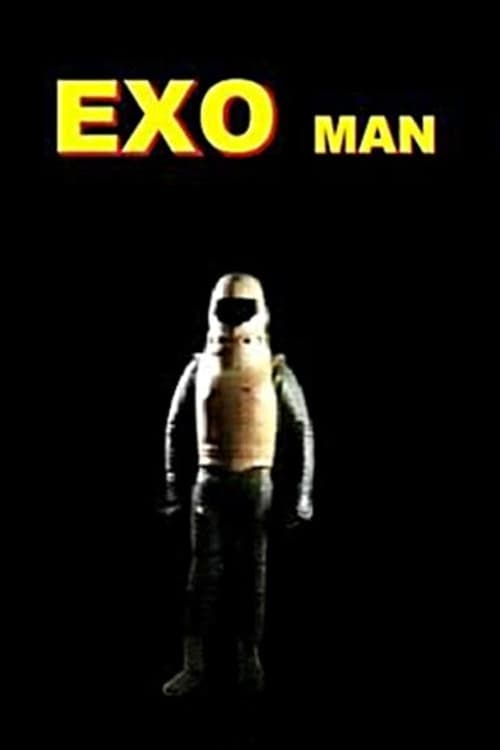
Exo-Man
1977
No user ratings available yet
Representation score: 3.6 out of 10

Representation Score
Limited
1973
TV-PGDirector
Richard Irving
Runtime
74 minutes
Average Rating
No ratings yetNew Showbiz Analysis
The film operates as a classic action-adventure story that upholds traditional heroic narratives. It examines the interplay between human vulnerability and technological advancement but does so within the context of maintaining the social hierarchies of the 1970s. While the science fiction elements provide a unique perspective on the human-machine interface, the narrative structure reinforces existing norms regarding gender, race, and state authority. It promotes the archetype of the empowered, state-aligned male without challenging systemic structures.
Category Breakdown
The film does not include any LGBTQ+ characters or explore non-straight relationships. The social environment is focused on traditional societal norms and the protagonist's return to them.
The story emphasizes traditional gender roles by highlighting a male protagonist defined by physical strength and state-sanctioned power. Female characters play supporting roles without showing a significant role in driving the story or intelligence.
The film features a predominantly white cast, reflecting era-specific casting practices. The narrative centers around a white protagonist within a Western institutional context.
The film supports Western institutions through the protagonist's involvement with a secret government ability to act. It lacks criticism of capitalism or anti-establishment sentiments, upholding traditional social and political structures.
The film presents a restorative model where disability is resolved using advanced technology. While the protagonist avoids being portrayed as helpless, his ability to act is dependent on technological enhancements rather than social inclusion.
Present on Screen
Limited or Absent
Official Synopsis
Colonel Steve Austin, astronaut and test pilot, is badly injured when he crashes while testing an experimental aircraft. A covert government agency (OSI) is willing to pay for special prosthetics to replace the eye, arm and both legs he lost in the crash. Highly advanced technology (bionics) built into them will make him faster, stronger and more resilient than normal. In return they want him to become a covert agent for the OSI. It will cost $6,000,000 to rebuild Steve Austin.
1977

1966
1989
1979
1973

1990

1980

1976
No reviews yet. Be the first to share your thoughts on this movie!
Use the rating form above to leave a star rating and optional review.