
Little Monsters
2012
No user ratings available yet
Representation score: 2.2 out of 10
Representation Score
Fair
2011
Director
Philip Koch
Runtime
108 minutes
Average Rating
No ratings yetNew Showbiz Analysis
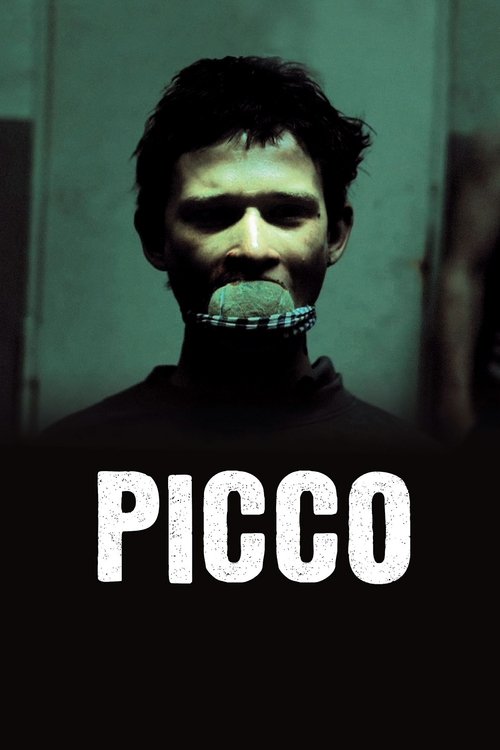
Picco offers a gritty, naturalistic look at institutional dysfunction, critiquing systemic oppression without presenting a traditional moral hierarchy. Instead, it portrays a volatile, aggressive environment. However, the film is limited by a lack of diverse representation, focusing heavily on hyper-masculine power struggles and leaving little room for other identities. While providing a strong critique of institutional failure, it does not address a wide range of human experiences beyond the carceral struggle.
Category Breakdown
The film does not include any visible representation of LGBTQ+ identities or non-assuming gender matches what was assigned at birth narratives. There is no exploration of queer identities, despite the focus on male interpersonal dynamics.
The narrative focuses on a hyper-masculine framework where masculinity is shown as a tool of oppression and violence. The film lacks women's ability to drive the story and does not challenge traditional gender roles.
The specific racial makeup of the cast is not confirmed. However, the youth prison setting often explores systemic inequality and racialized power dynamics.
The film deeply engages with themes of systemic corruption and the failure of Western institutional structures. It critiques traditional social order by depicting the prison environment as inherently oppressive.
There is no evidence within the narrative to suggest the inclusion of characters with visible or invisible disabilities.
Present on Screen
Limited or Absent
Official Synopsis
Kevin is new in youth prison. Due to over-occupancy he has to share a cell with Tommy, Andy and Marc. A partnership of convenience in a system where only the strong prevail and which is dominated by violence and latent aggression. Oppression and beatings are a daily occurence. It is hard for Kevin to establish himself. Especially Marc and Andy are after him. He's afraid of not sticking it out. Only Tommy gives him an amicable advice: In this system, you're either a victim or a culprit. If he doesn't want to be a loser anymore, he has to start fighting... A piece of advice that will trigger most dire consequences
2012

1979

2005

1980
1976
1983
2000
2013
No reviews yet. Be the first to share your thoughts on this movie!
Use the rating form above to leave a star rating and optional review.