
The Wolves of Savin Hill
2014
No user ratings available yet
Representation score: 3.2 out of 10
Representation Score
Limited
2012
Not RatedDirector
David Schmoeller
Runtime
107 minutes
Average Rating
No ratings yetNew Showbiz Analysis
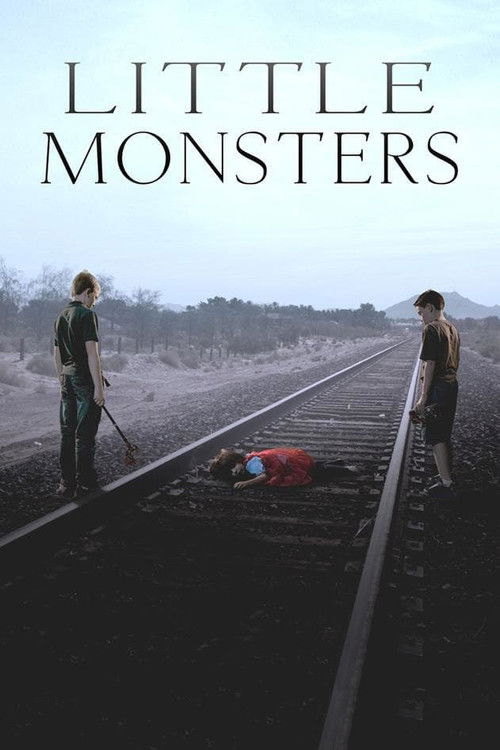
Little Monsters is a psychological character study centered on the tension between individual rehabilitation and societal outrage. It prioritizes the internal landscapes of two former juvenile offenders trying to survive their release into society. The film steers clear of traditional hero clichés by focusing on protagonists with significant moral transgressions. While it offers a nuanced exploration of redemption and systemic struggle, it lacks a commitment to diverse representation. Ultimately, the work operates as a narrow drama. It explores the ethics of punishment and social reintegration without incorporating diverse identities or challenging traditional social hierarchies.
Category Breakdown
The film does not include any LGBTQ+ characters or narratives focusing on non-cisgender identities. The story revolves around the rehabilitation and social reintegration of two male protagonists.
The narrative centers on male protagonists, adhering to a typical male-centric dramatic structure. However, it delves into themes of vulnerability and social alienation that deviate from conventional masculine clichés.
There is no specific information about the racial or ethnic identities of the main characters or the victim. The film does not showcase actively leading characters of diverse backgrounds.
The film examines moral ambiguity and the intricacies of justice. It challenges traditional villain archetypes by portraying characters through a lens of situational ethics and systemic struggle.
The story contains no indication of neurodivergence, mental health conditions, or physical disabilities. These elements are not used as central components of the character arcs.
Present on Screen
Limited or Absent
Official Synopsis
James and Carl were only 10 years old when they kidnapped and murdered 3 year old David McClendon. They were caught, tried, convicted and placed in separate juvenile facilities. At 18-years old, both are given new names and released back into society - much to the horror of the nation. They can have no contact with each other or with their past friends or relatives. The story follows the lives of these two boys as they try to start over, escape the past and survive the growing outcry following their release.
2014

2020

2004
2004
2012

2008

2007

1980
No reviews yet. Be the first to share your thoughts on this movie!
Use the rating form above to leave a star rating and optional review.