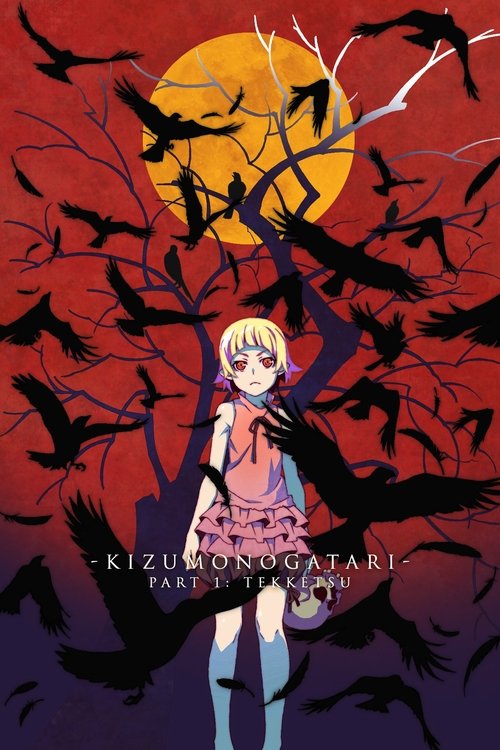
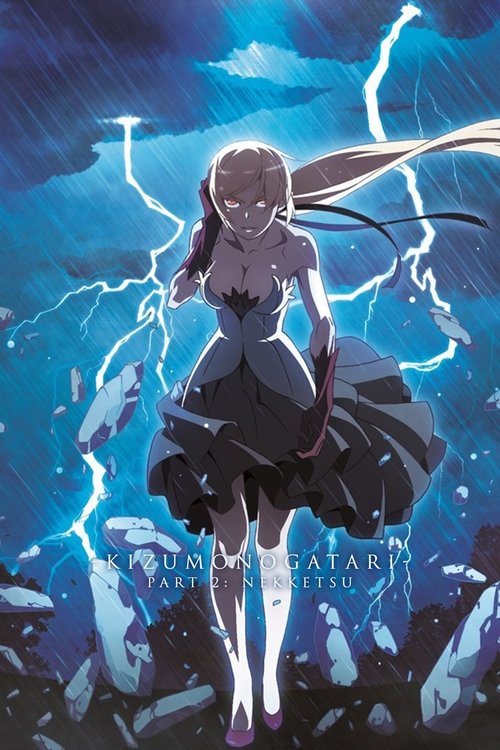
Kizumonogatari Part 1: Tekketsu
2016
No user ratings available yet
Representation score: 5.0 out of 10
Representation Score
Limited
2017
Director
Ai Yoshimura
Runtime
61 minutes
Average Rating
No ratings yetNew Showbiz Analysis
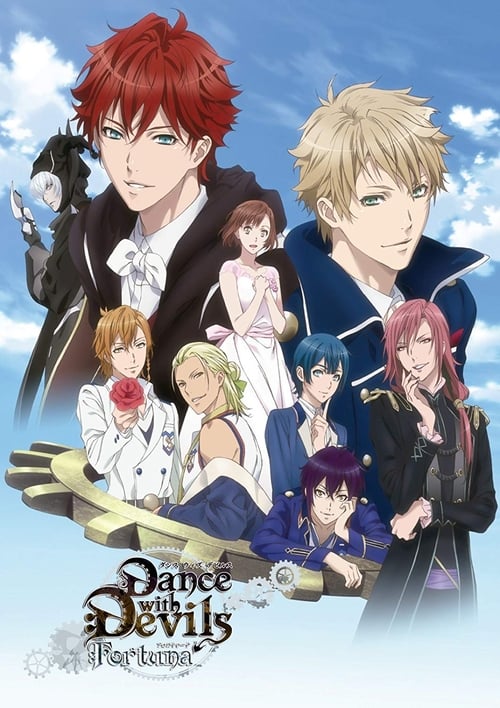
Dance with Devils: Fortuna operates strictly within the established conventions of the fantasy-romance genre. The narrative architecture prioritizes supernatural aesthetics and traditional romantic clichés over challenging social hierarchies. While the plot centers on a female protagonist, her role often mirrors the 'damsel' archetype, with her influence frequently linked to the conflicting interests of male characters. The world-building focuses on supernatural lineages rather than ethnic or cultural diversity. Ultimately, the production functions as a traditional genre piece. It adheres to conventional expectations of gender and identity without attempting to challenge the status quo or introduce diverse perspectives.
Category Breakdown
The story focuses on heterosexual romantic tension between Ritsuka and Rem. It lacks exploration of queer romantic dynamics or non-straight identities.
Ritsuka drives the emotional stakes, but her role often revolves around male interests. Her influence is frequently tied to the protective male archetypes used to navigate crises.
The cast follows a homogeneous character design typical of the medium. There is no evidence of diverse ethnic backgrounds or cultural diversity within the narrative.
The film uses devils and exorcists as standard genre clichés. It does not offer a critique of organized religion or systemic societal structures.
The narrative provides no evidence regarding the portrayal of physical or neurodivergent disabilities.
Present on Screen
Limited or Absent
Official Synopsis
Ritsuka Tachibana. She lives a calm and unchanging life. Ritsuka's older brother Lindo returns from studying abroad in the United Kingdom. Shikou Academy student council president Rem Kaginuki calls on the girl, and she begins having mysterious encounters with the student council members. Her life changed a little from that day, but Ritsuka expected nothing more. However, she comes home to find her mother collapsed with suspicious hooded men nearby. They were not human but devils, vampires, and exorcists seeking the Forbidden Grimoire. Ritsuka's former daily life crumbles around her, and she finds herself slowly becoming attracted to Rem, who helps her in her predicament. On the other hand, confusion deepens with regard to her brother who carries a secret. Ritsuka is unsure what path to choose as she finds herself at the center of a love story. (Source: ANN)
2016
2017

2002
1992
2025
2012
2025
2016
No reviews yet. Be the first to share your thoughts on this movie!
Use the rating form above to leave a star rating and optional review.