
Pink Floyd: Delicate Sound of Thunder
1989
No user ratings available yet
Representation score: 1.0 out of 10
Representation Score
Limited
1987
Director
Wayne Isham
Runtime
60 minutes
Average Rating
No ratings yetNew Showbiz Analysis
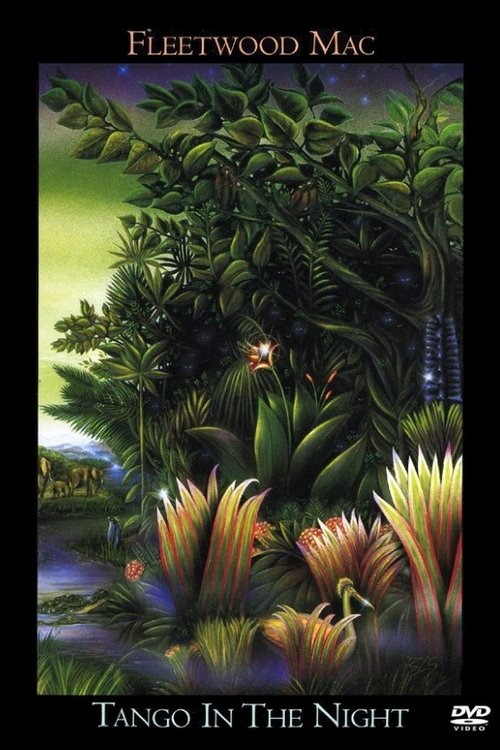
Fleetwood Mac: Tango In The Night is a visually rich musical document that prioritizes emotional landscapes over social commentary. Its primary progressive value lies in its gender dynamics, particularly through Stevie Nicks' commanding presence, which subverts traditional gender hierarchies. However, the work remains tied to the demographic norms of the 1980s, lacking racial diversity and any representation of LGBTQ+ or disability issues. It focuses on the internal, individualistic experiences of the performers within a Western rock context.
Category Breakdown
The performance-based collection focuses on the band's interpersonal dynamics without depicting non-straight or non-cisgender identities. There is no queer-coded subtext or explicit representation of LGBTQ+ characters.
The visual design highlights Stevie Nicks as a commanding, autonomous figure, emphasizing her role and power. This disrupts traditional hierarchies by showcasing female leadership and mysticism, rather than relegating women to supporting roles.
The production features a predominantly white cast, reflecting the demographic standards of the 1980s Western rock industry. It does not actively diversify the racial composition of the performers.
The work is grounded in Western pop-rock traditions, focusing on individualistic emotional experiences and romantic tension. It prioritizes aesthetic appeal over sociopolitical or religious commentary.
As a collection of music videos and concert footage, there are no visible or invisible disabilities portrayed. No instances of disability are used as a plot device or subject of mockery.
Present on Screen
Limited or Absent
Official Synopsis
'Tango In The Night', the video companion to the 1987 album, was filmed at San Francisco's Cow Palace in December 1987. After several years of turmoil and hiatuses, the album and tour marked a stellar return to form for the band. Tracks performed on the night include The Chain, Dreams, Gold Dust Woman, Songbird and Don't Stop.
1989
2005
1986
1978
1989

2004
1997
1996
No reviews yet. Be the first to share your thoughts on this movie!
Use the rating form above to leave a star rating and optional review.