Sade: Lovers Live
2002
No user ratings available yet
Diversity score: 6.9 out of 10
1997
Director
Sophie Muller
Runtime
92 minutes
Average Rating
No ratings yetSynopsis
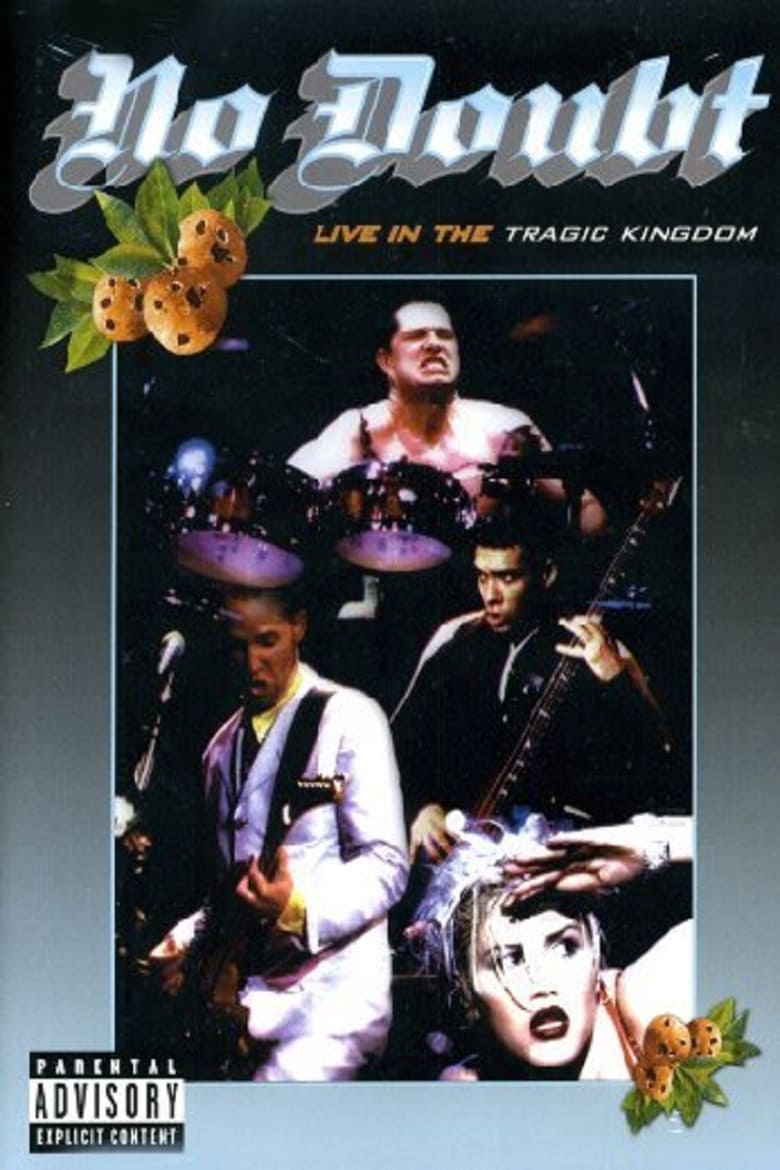
No Doubt: Live In The Tragic Kingdom featuring footage directed by Sophie Muller from their live performance in Anaheim, California during their 1997 'Tragic Kingdom' tour including the hits 'Just A Girl', 'Don't Speak','Sunday Morning' and more...
Overall Score
Fair
Category Breakdown
LGBTQ+ Representation
The film documents a musical performance rather than exploring identity. While capturing the expressive 1990s ska-punk subculture, it lacks explicit depictions of same-sex intimacy or non-cisnormative identities.
Gender Representation
The film disrupts 1990s rock hierarchies by centering Gwen Stefani. She possesses total creative and stage agency, shifting focus from male-dominated ensembles to a female-led spectacle.
Racial & Ethnic Diversity
The core performers are a homogeneous group of white musicians. This reflects the band's specific composition rather than an active narrative choice or the subversion of tropes.
Religious & Cultural Diversity
The aesthetic prioritizes personal expression and social skepticism over traditional values. Themes of emotional volatility and deconstructed romantic ideals challenge idealized family or traditional morality tropes.
Disability Representation
There are no visible or invisible disabilities portrayed as central to the narrative or character arcs within the footage.
Strengths
Areas for Improvement
AI Analysis
This concert film is a significant document of gendered agency. By centering a female protagonist with high autonomy, it successfully challenges the patriarchal musical structures of the late 1990s. However, the work lacks significant racial or LGBTQ+ narrative depth. The performers represent a homogeneous group, and the footage does not engage with queer themes or disability representation. Ultimately, the film's strength lies in its disruption of traditional gender hierarchies and its embrace of a subjective, individualistic cultural framework that departs from conservative media norms.
2002
2011
2007
1987
1997
1978
2006
2011
2008
2003

2011

2005
No reviews yet. Be the first to share your thoughts on this movie!
Use the rating form above to leave a star rating and optional review.