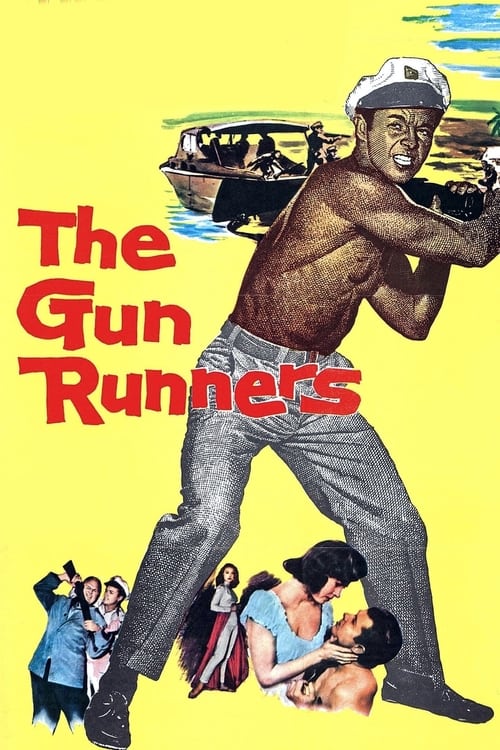
The Gun Runners
1958
No user ratings available yet
Representation score: 1.0 out of 10
Representation Score
Limited
1961
ApprovedDirector
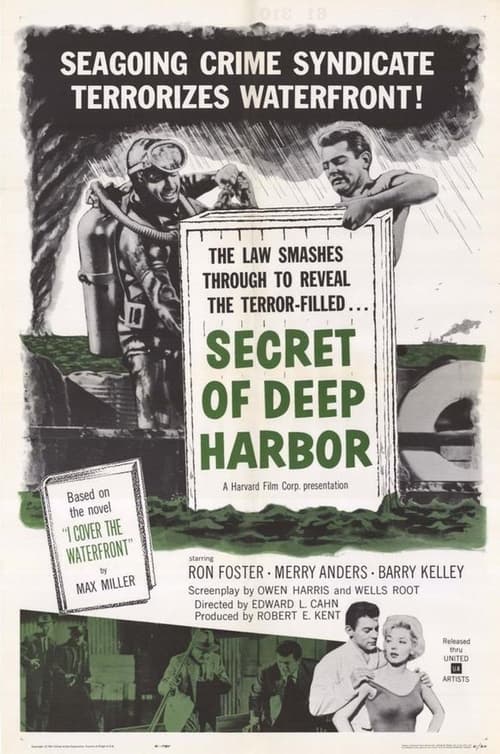
Edward L. Cahn
Runtime
70 minutes
Average Rating
No ratings yetNew Showbiz Analysis
The film opens on the fog-shrouded docks of Deep Harbor, a place where the water hides bodies and secrets. Edward L. Cahn’s 1961 thriller sells a vision of rural corruption, where the local community conspires with the mob to keep the outside world at bay. The camera loves the rugged competence of Skip Hanlon, the reporter who stumbles into this conspiracy, while Janey Fowler stands as the innocent prize caught between her corrupt father and the honest outsider. The sold meaning is clear: the isolated town is a monster, but the merit of the honest man will expose the rot. However, the film’s internal logic pulls apart when it rewards the restoration of order through marriage. Janey’s judgment of her father is the only moral weight she carries, yet her arc concludes with a proposal from Skip, effectively silencing her independent voice. The "secret" of Deep Harbor is not just the mob’s presence, but the community’s complicity, which the film treats as a temporary stain rather than a systemic failure. The last image, with Skip standing on the dock, affirms the traditional hierarchy: the competent man saves the woman, and the local corruption is punished to protect the status quo. The film is a straightforward B-movie that uses the threat of rural decay to ultimately reinforce the value of the honest, white, male outsider.
Category Breakdown
No queer characters appear in this maritime thriller. The narrative relies on a strictly heteronormative pairing between the reporter and the captain’s daughter.
Janey Fowler serves as the moral prize, her value tied to her father’s corruption and her eventual marriage to the competent male lead. Men control the plot through competence or bumbling violence, while the woman remains the passive recipient of protection and judgment.
The cast consists entirely of white actors portraying a homogeneous coastal community. Racial identity is unmarked and functions as the invisible default, with no on-screen diversity to challenge or complicate the local power dynamics.
The film treats rural isolation and local corruption as the primary obstacles, yet ultimately rewards the restoration of order through the exposure of secrets. The community’s complicity is punished only to affirm the merit of the honest outsider who breaks the silence.
No characters display physical or cognitive impairments. The physicality of the harbor and the characters’ bodies are used solely for survival and action, with no narrative focus on disability or medical conditions.
Present on Screen
Limited or Absent
Official Synopsis
A reporter learns that his girlfriend's father, an old sea captain, is being paid by the mob to transport gangsters out of the country.
1958
1949

1955
1951
1955
1948

1951

1949
No reviews yet. Be the first to share your thoughts on this movie!
Use the rating form above to leave a star rating and optional review.