La vida en rojo
2008
No user ratings available yet
Representation score: 6.9 out of 10
Representation Score
Good
2009
Director
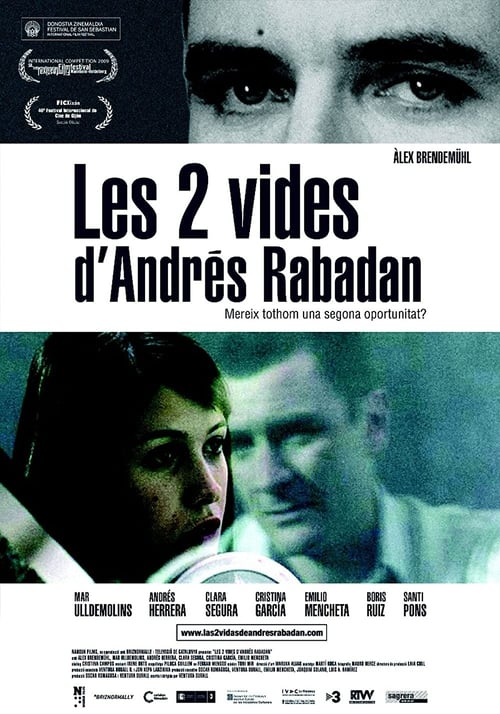
Ventura Durall
Runtime
84 minutes
Average Rating
No ratings yetNew Showbiz Analysis
The film stands out as a psychological study, offering a thoughtful and respectful portrayal of mental health. It avoids clichés by presenting the protagonist's psychotic episode as a core, significant part of his experience. However, the film lacks demographic diversity. The cast is culturally and racially uniform, and the narrative does not explore LGBTQ+ identities or diverse gender roles. Overall, the film's strength lies in its intellectual depth regarding religious and institutional critique, despite its narrow social representation.
Category Breakdown
The film does not include explicit LGBTQ+ characters or non-traditional gender identities. The protagonist's journey focuses on his marriage and his move towards a stable family life.
Gender roles in the film are traditional, with the male protagonist's internal struggles taking center stage. Women play important roles but their influence remains secondary to the male character's development.
The cast is uniform, reflecting a specific Spanish context. It emphasizes the socioeconomic realities of a traditional community without showcasing diverse ethnic backgrounds.
The film provides a sophisticated look at institutional authority and religious beliefs. It examines the tension between Catholicism and personal humanism through the protagonist's journey.
Mental health issues are shown through the protagonist's psychotic breakdown and auditory hallucinations. The film presents his condition as a complex part of his identity rather than just a plot device.
Present on Screen
Limited or Absent
Official Synopsis
He had been born for the pages of events "The madman of the crossbow"; For public opinion, the inexplicable horror; For experts, a case of psychotic outbreak worthy of a manual. For justice, 20 years of condemnation. In prison he meets his best friend and his future wife. The terrible memories of what happened that night haunt him. The news in the newspaper. On February 6, 1994 Marcial Rabadán and his son Andrés discuss after the meal. Andres goes to his room, takes the crossbow, a gift for Reyes, he loads it and shoots his father. The first arrow, in the head and two more "so that he did not suffer". After embracing the corpse he goes to the police station and turns himself in. Andres is still in prison, has made exhibitions of his drawings and written two books; Has married, forgotten "the voices" and no longer dreams about the corpse of his father.
2008
2001
2017
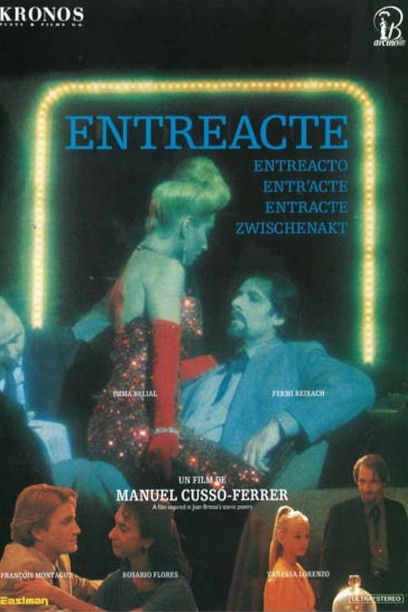
1989
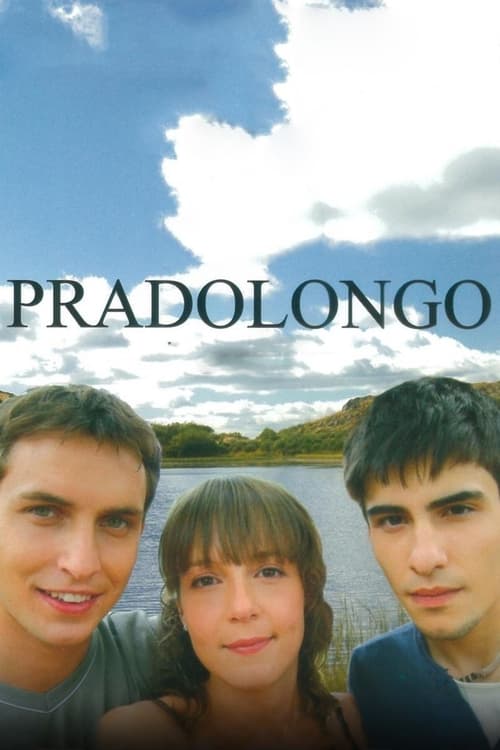
2008
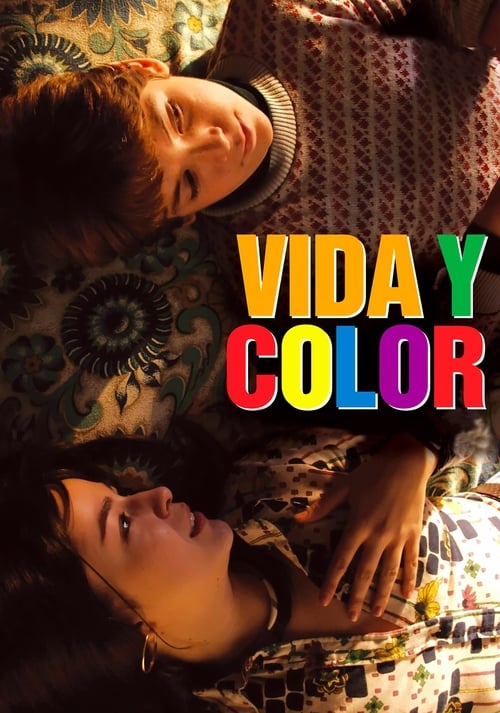
2005
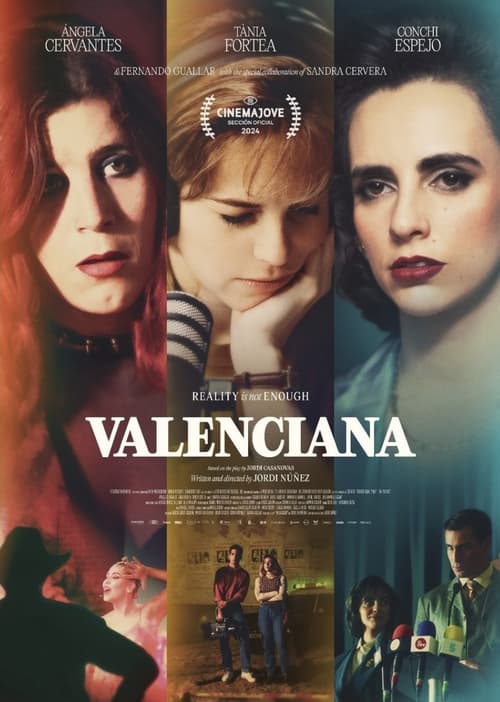
2024

2010
No reviews yet. Be the first to share your thoughts on this movie!
Use the rating form above to leave a star rating and optional review.