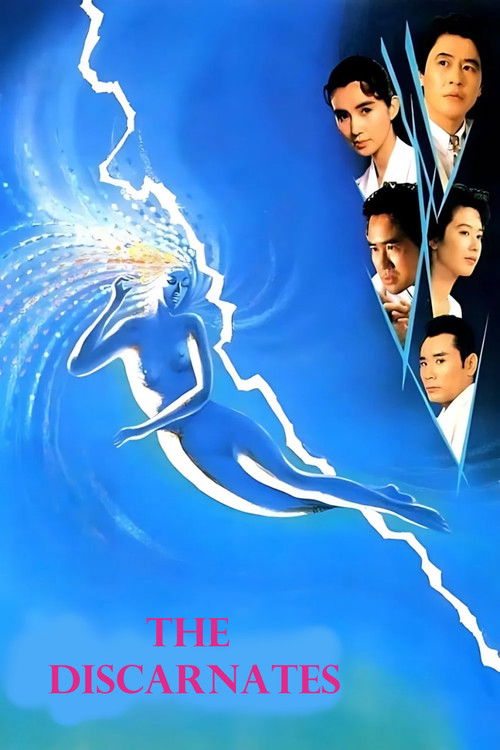
The Discarnates
1988
No user ratings available yet
Representation score: 5.5 out of 10

Representation Score
Good
1996
Director
Hisayasu Satō
Runtime
90 minutes
Average Rating
No ratings yetNew Showbiz Analysis
Hisayasu Satō’s work excels at deconstructing social norms through a psychological lens. The film's greatest strength lies in its nuanced portrayal of neurodivergence, treating Ritsuko's phobia as a complex identity rather than a simple plot device. It effectively challenges institutional authority and the pressure to conform to a 'picture-perfect' reality. However, the film lacks overt demographic diversity. There is no explicit evidence of LGBTQ+ representation or multi-ethnic casting, leaving the narrative focused on a more singular, homogeneous social environment. Ultimately, the film is a study of individual ability to act against systemic scrutiny. It trades broad demographic inclusion for a deep, subversive exploration of mental health and subjective truth.
Category Breakdown
The film focuses on Ritsuko's internal psychological landscapes rather than explicit LGBTQ+ identities. It lacks overt narratives or representations of non-straight relationships.
The story centers on a female protagonist resisting the clinical gaze of a research team. It challenges traditional domesticity by prioritizing her subjective, irrational reality.
As a Japanese production, the film operates within a specific cultural context. The focus on a homogeneous, perfect neighborhood suggests a critique of social uniformity.
The narrative critiques institutional authority by framing medical intervention as a threat to individual truth. It prioritizes personal psychological experience over societal conformity.
Ritsuko's debilitating germophobia is treated as a core component of her identity. The film explores the tension between lived neurodivergent experience and medicalized attempts at a cure.
Present on Screen
Limited or Absent
Official Synopsis
Young and beautiful germophobe Ritsuko moves into a picture perfect neighborhood with her parents, being monitored by a research team who want to cure her of her debilitating phobias. Will her new neighbors be able to cure her of her irrational view of the outside world, or will coming face to face with this fairy-tale setting only drive her further inside of her subconsciousness?
1988

1988

2007

1974

1990

2009

2022

2005
No reviews yet. Be the first to share your thoughts on this movie!
Use the rating form above to leave a star rating and optional review.