Junior Rodeo Daredevils
1949
No user ratings available yet
Representation score: 0.5 out of 10

Representation Score
Limited
1897
Director
Auguste Lumière, Louis Lumière
Runtime
1 minutes
Average Rating
No ratings yetNew Showbiz Analysis
This film serves as a foundational work of the 'actualité' style, capturing a historical snapshot of spontaneous human interaction. It prioritizes observational realism over intentional narrative construction, limiting its ability to engage with modern identity politics. The production reflects the social realities of 1897 France, focusing on a single, unscripted event. Since it operates as a primitive documentary, it lacks the structural depth needed for complex representation of race, gender, or orientation. Ultimately, the film is a technical milestone rather than a vehicle for social critique, capturing a moment of communal play without addressing systemic issues.
Category Breakdown
The film does not include any characters with LGBTQ+ identities. Given its nature as a brief observational documentary, it does not have the narrative complexity to explore gender orientation.
Four young individuals engage in playful, equal water fights. The synopsis does not specify gender, but the activity avoids traditional gender roles.
The cast likely reflects the local demographics of late 19th-century France. There is no indication of intentional racial diversity or varied casting.
The film captures a moment of secular, spontaneous play. It focuses on everyday human interactions rather than religious or structured social rituals.
There is no evidence of characters with visible or invisible disabilities being portrayed with specific roles or used as plot devices.
Present on Screen
Limited or Absent
Official Synopsis
Four young people throwing buckets of water at each other.
1949
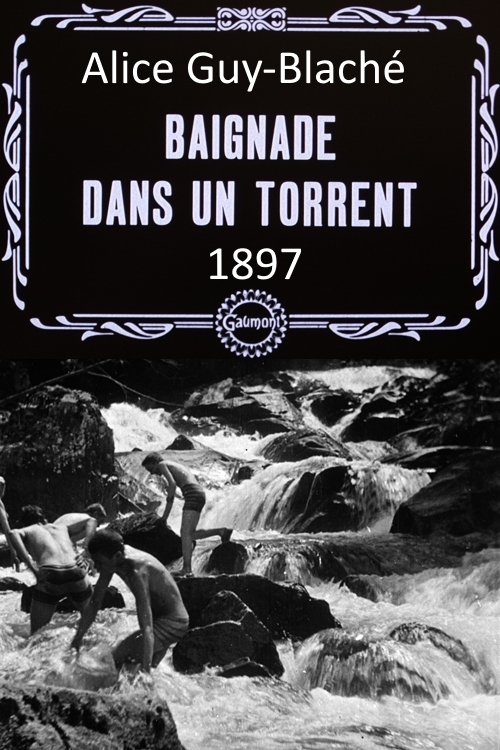
1897
1897
1897
1898
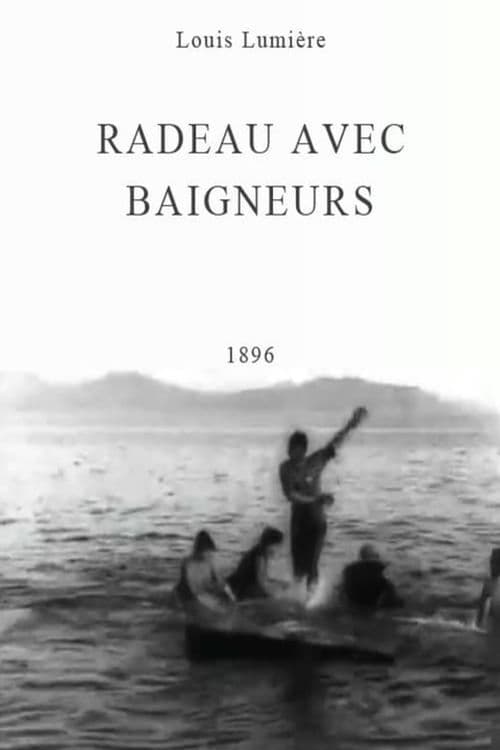
1896
1896
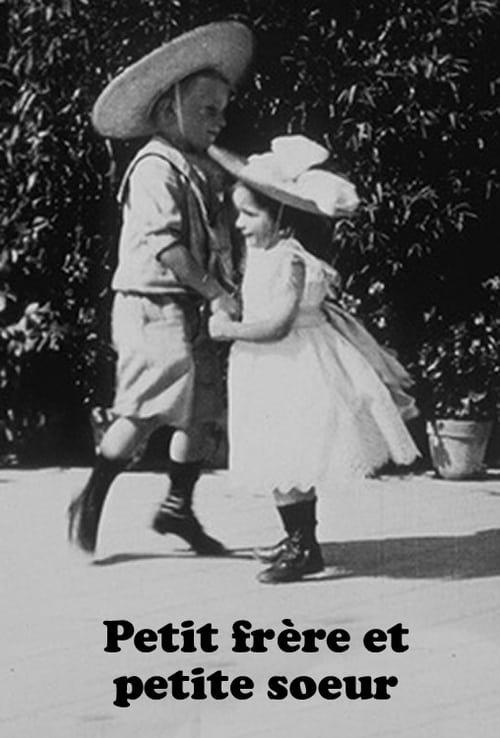
1897
No reviews yet. Be the first to share your thoughts on this movie!
Use the rating form above to leave a star rating and optional review.