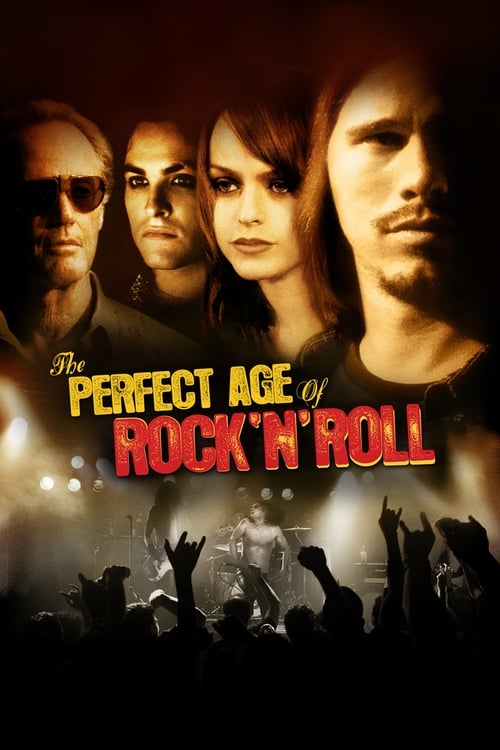
The Perfect Age of Rock 'n' Roll
2011
No user ratings available yet
Representation score: 3.1 out of 10

Representation Score
Fair
2000
RDirector
Cameron Crowe
Runtime
124 minutes
Average Rating
No ratings yetNew Showbiz Analysis
Almost Famous is a period-specific character study that excels at challenging gendered power dynamics. By giving Penny Lane a significant role and portraying William's mother as a competent leader, the film moves beyond simple archetypes. However, the film's impact is limited by its lack of LGBTQ+ and racial diversity. The setting remains a cultural vacuum of white, straight-centered rock culture, which accurately reflects the era but offers little diversity. Ultimately, the film's strength lies in its empathetic approach to lifestyle choices and its critique of institutional structures over individual expression.
Category Breakdown
The film primarily focuses on heterosexual relationships typical of the 1970s, with no explicit depiction of LGBTQ+ identities or narratives that challenge traditional orientation clichés.
Penny Lane plays a significant role in driving the story, displaying intellectual and emotional autonomy. William’s mother also provides a strong, emotionally intelligent presence that contrasts with the band's chaotic masculinity.
The cast is predominantly white and Anglo-Saxon, reflecting the demographics of the 1973 rock scene. The social circle remains largely homogeneous, reinforcing traditional Western demographic norms.
The narrative challenges traditional morality by viewing 'anti-social' lifestyles through a lens of personal freedom. It also critiques corporate capitalism by contrasting musical artistry against the music industry.
The film does not prominently feature characters with visible or invisible disabilities. Disability is not used as a narrative device within the story.
Present on Screen
Limited or Absent
Official Synopsis
In 1973, a precocious 15-year-old aspiring rock journalist lands a dream assignment from Rolling Stone to tour with a rising rock band, embarking on a coming-of-age journey as he discovers the exhilarating and heartbreaking realities behind rock stardom.
2011
1994

2021
1978
1979

2013
2002

2013
No reviews yet. Be the first to share your thoughts on this movie!
Use the rating form above to leave a star rating and optional review.