Woody the Freeloader
1968
No user ratings available yet
Representation score: 1.6 out of 10
Representation Score
Minimal
1958
ApprovedDirector
Paul J. Smith
Runtime
7 minutes
Average Rating
No ratings yetNew Showbiz Analysis
This 1958 animation reflects its time, prioritizing slapstick comedy and established archetypes over social complexity. The narrative structure revolves around a singular male protagonist and folklore-driven plot progression, limiting opportunities for diverse representation. The film lacks depth in exploring multiple aspects of identity, focusing instead on a localized, anthropomorphic setting. While it includes elements like a leprechaun and socio-economic themes, these serve primarily as plot drivers rather than meaningful explorations of identity or culture.
Category Breakdown
The film does not include any visible LGBTQ+ characters or non-cisgender identities. It follows the typical character dynamics of the 1950s, providing no queer visibility.
The story focuses on a single male protagonist, Woody Woodpecker. The plot depends on masculine-coded clichés such as crime and police chases without challenging gender hierarchies.
While a leprechaun adds a folkloric element, it serves as a magical plot device rather than a detailed exploration of ethnicity. There is no indication of a multi-ethnic cast.
The narrative uses traditional wish-fulfillment clichés rather than critiquing Western institutions. It leans into conventional comedic structures instead of delving into complex cultural ideologies.
There are no characters with visible or invisible disabilities mentioned in the narrative.
Present on Screen
Limited or Absent
Official Synopsis
Woody Woodpecker lives in a slum, and is fed up with his bills, wishing aloud that he were rich. At that moment, a four-leaf clover appears in the floorboards, and transforms into a leprechaun woodpecker, which grants Woody three wishes. Woody immediately wishes for immense wealth, and he gets it-- by robbing a bank without realizing it. A police chase follows; will Woody escape, and what will his other two wishes be?
1968
1951
1949
1962
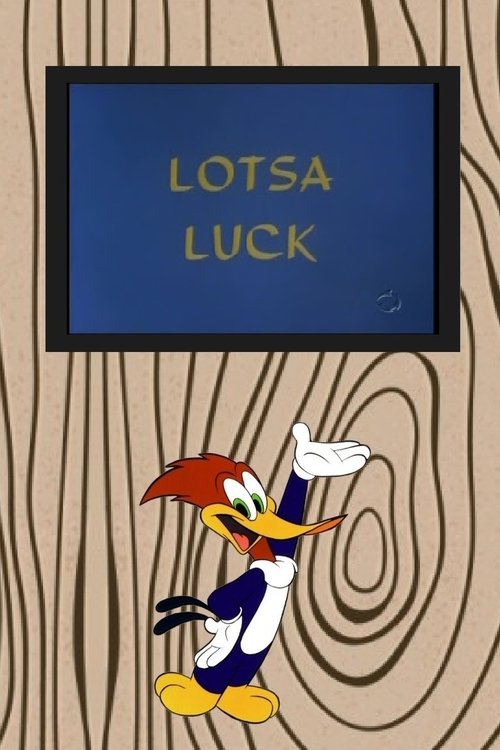
1968
1935
1948
1954
No reviews yet. Be the first to share your thoughts on this movie!
Use the rating form above to leave a star rating and optional review.