Bounty
2009
No user ratings available yet
Representation score: 2.1 out of 10
Representation Score
Minimal
2012
RDirector
Dustin Rikert
Runtime
90 minutes
Average Rating
No ratings yetNew Showbiz Analysis
Ambush at Dark Canyon is a conventional Western that adheres strictly to established genre clichés. The narrative structure prioritizes traditional masculine roles and heterosexual family structures, offering very little disruption to historical social hierarchies. The film functions as a standard genre piece where the protagonist's motivations revolve around protecting his wife and clearing his name. This reinforces traditional roles rather than expanding the cinematic landscape. Ultimately, the work lacks depth in reflecting multiple aspects of identity, focusing instead on familiar themes of law, order, and individual justice common to the Western genre.
Category Breakdown
The story revolves around a heterosexual conflict involving a husband, his wife, and a male antagonist. There is no indication of non-straight identities or any critique of traditional romantic relationships.
The plot hinges on the protector cliché, emphasizing the male protagonist's role in driving the story. While the wife's actions motivate the plot, she remains a passive figure rather than an active participant.
The film follows conventional Western demographic norms, focusing on U.S. Marshals and bank robbers, which suggests a reliance on traditional Anglo-Saxon character types.
The film highlights classic Western values such as personal honor and institutional legitimacy. It does not explore systemic oppression or diverse cultural critiques.
The narrative does not include any characters with visible or invisible disabilities.
Present on Screen
Limited or Absent
Official Synopsis
U.S. Marshall Duke Donovan is imprisoned, accused of being an accomplice in a bank robbery. After discovering that his partner is planning to kill his wife, he must escape prison in time to save his wife and clear his name.
2009
1960
2016
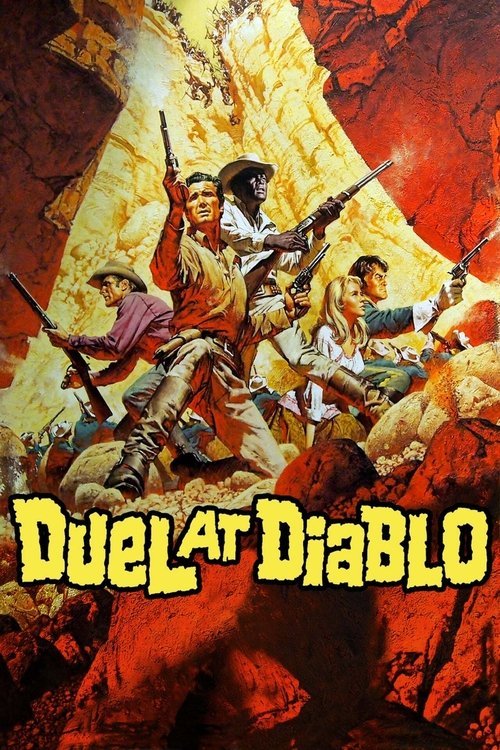
1966
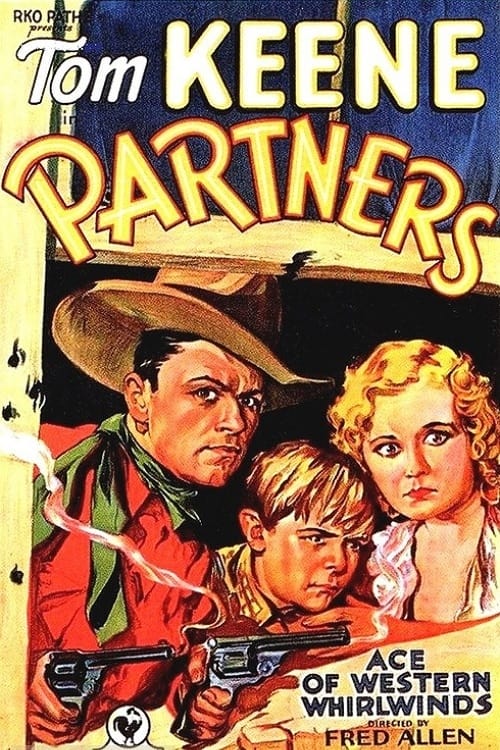
1932
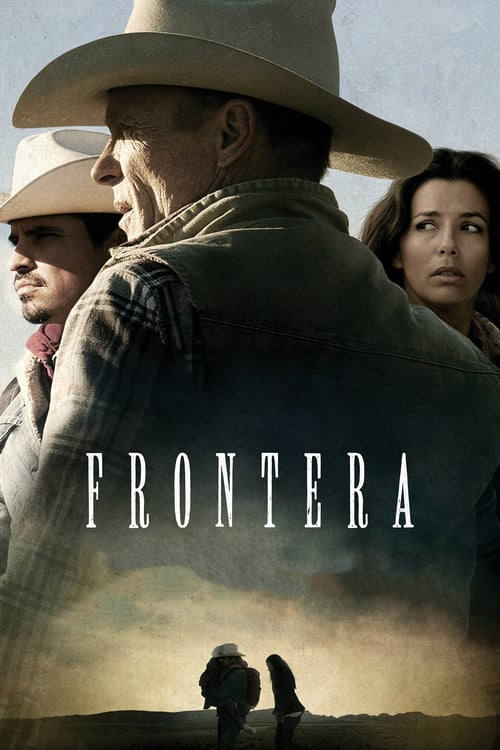
2014
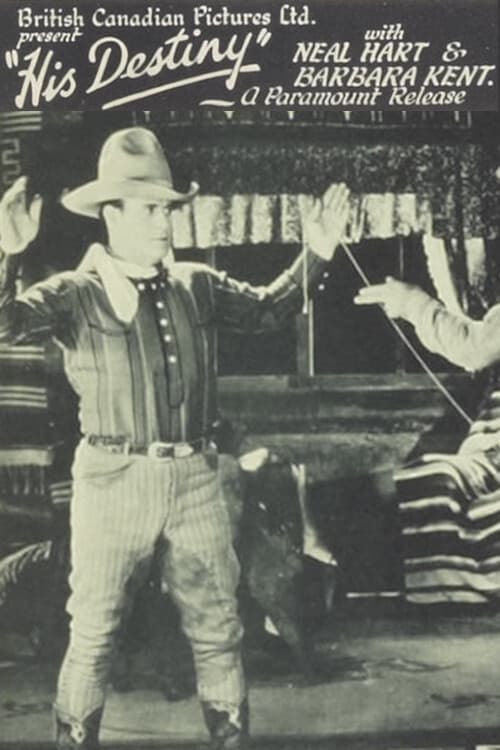
1928
1959
No reviews yet. Be the first to share your thoughts on this movie!
Use the rating form above to leave a star rating and optional review.