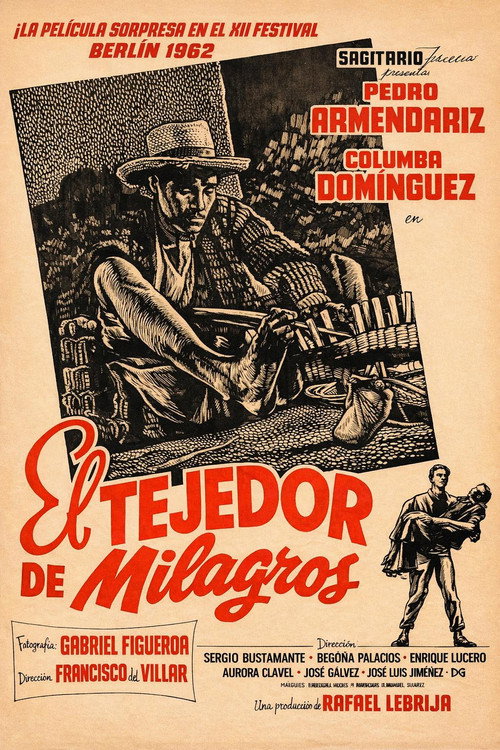
Miracles Weaver
1962
No user ratings available yet
Diversity score: 5.6 out of 10
1989
Director
Goran Paskaljević
Runtime
98 minutes
Average Rating
No ratings yetSynopsis
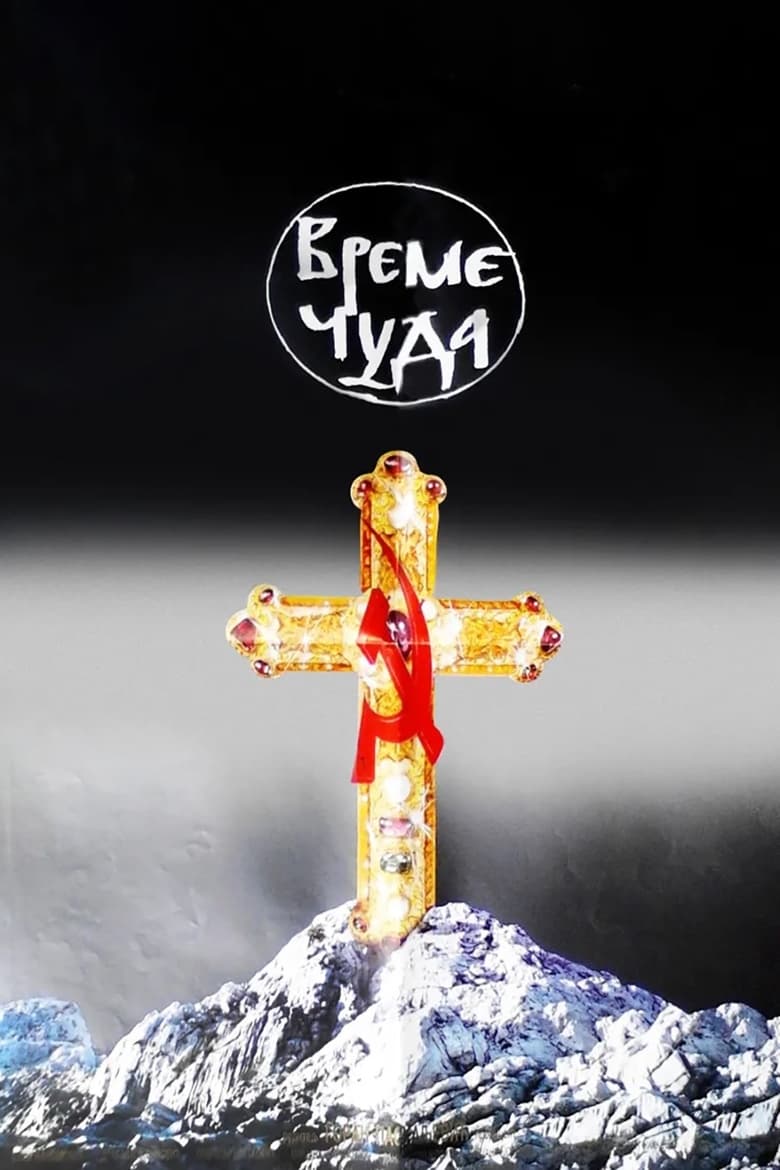
September 1945. The new communist authorities go into the church, hang the flag of the Party and paint over the old frescoes, but each time the frescoes miraculously return. A stranger comes to town and works miracles; the townsfolk are convinced he is the Messiah. Director Paskaljevic cut his TV miniseries, based on the novel by Borislav Pekic, to feature film length.
Overall Score
Fair
Category Breakdown
LGBTQ+ Representation
The film focuses on a young male protagonist's journey through puberty. It lacks depictions of same-sex intimacy or non-cisnormative identities, adhering to the traditional social structures of its mid-century setting.
Gender Representation
The narrative centers on the male coming-of-age experience within a patriarchal framework. It explores shifts in masculinity but does not actively seek to subvert established gender hierarchies.
Racial & Ethnic Diversity
Casting is ethnically homogeneous, reflecting the South Slavic demographic of the Balkan setting. This provides an authentic representation of the specific historical and cultural milieu.
Religious & Cultural Diversity
The film offers a sophisticated critique of institutional power. It uses the tension between communist authorities and religious iconography to explore the friction between state ideology and traditional values.
Disability Representation
There are no prominent characters identified with visible or invisible disabilities. The narrative does not utilize disability as a central plot device or tool for character development.
Strengths
Areas for Improvement
AI Analysis
Time of Miracles is a work of social realism that prioritizes historical authenticity over modern intersectionality. It succeeds in its cultural critique, using magical realism to challenge the stability of dominant institutions and state-mandated ideology. However, the film remains limited by its traditional social frameworks. The focus on male development and the lack of LGBTQ+ representation results in a lower score for modern demographic diversity. Ultimately, the film's strength lies in its nuanced portrayal of individual agency against systemic imposition, even if it lacks a diverse cast by contemporary standards.
1962
1999
1980
2005
1965

1961
1980
2003
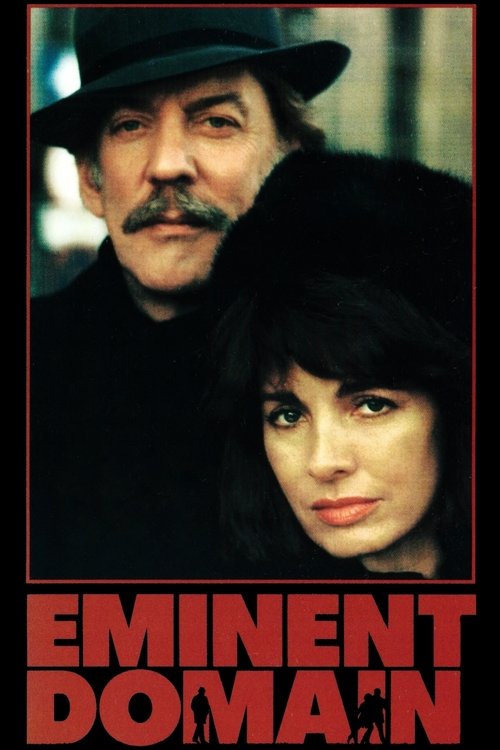
1991
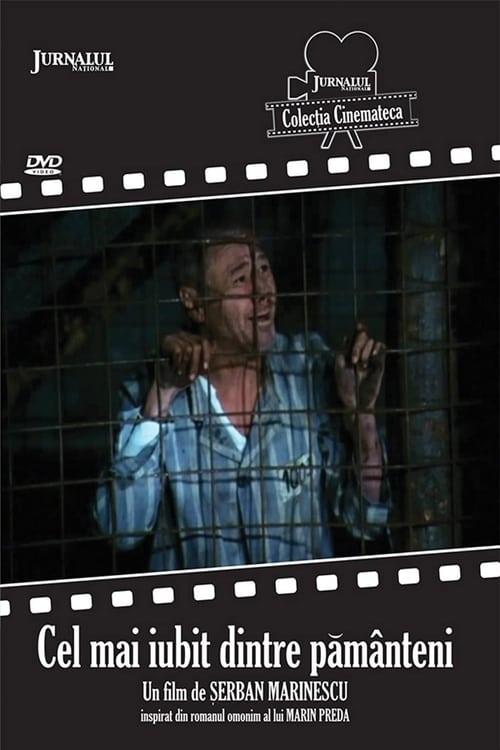
1993
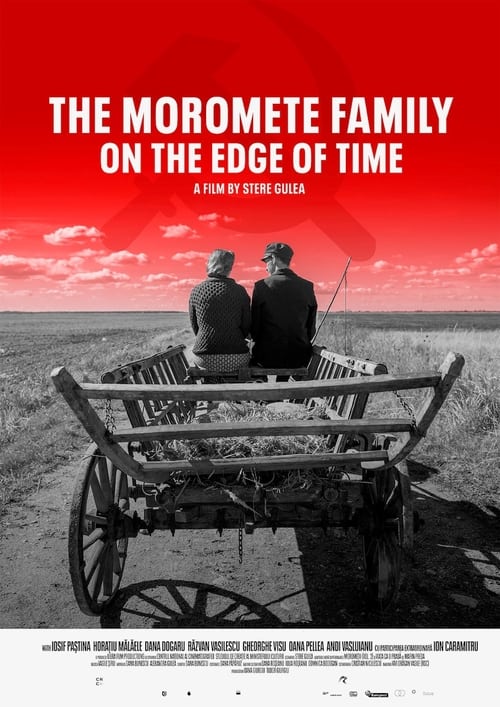
2018
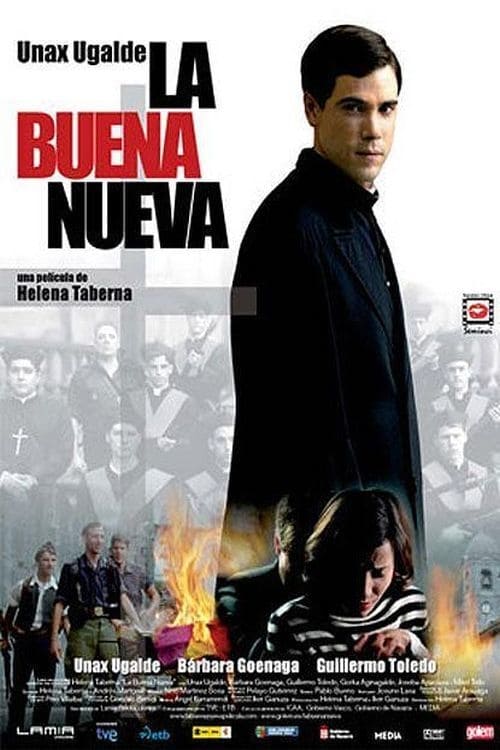
2008
No reviews yet. Be the first to share your thoughts on this movie!
Use the rating form above to leave a star rating and optional review.