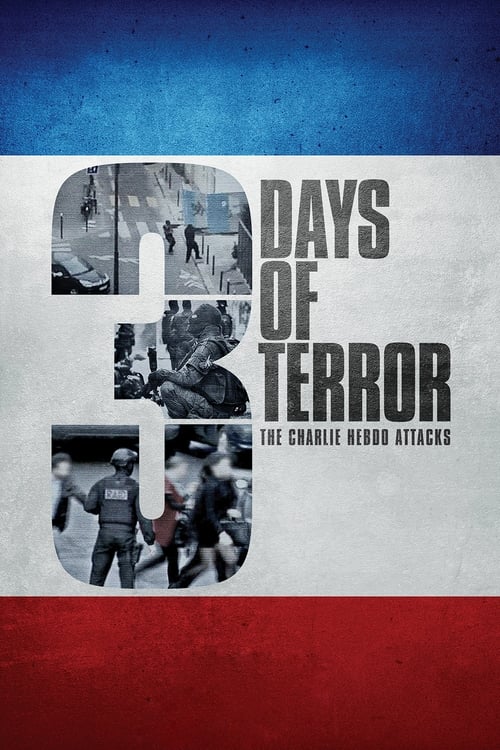
3 Days of Terror: The Charlie Hebdo Attacks
2016
No user ratings available yet
Diversity score: 5.7 out of 10
2003
PGDirector
David Keane
Runtime
92 minutes
Average Rating
No ratings yetSynopsis
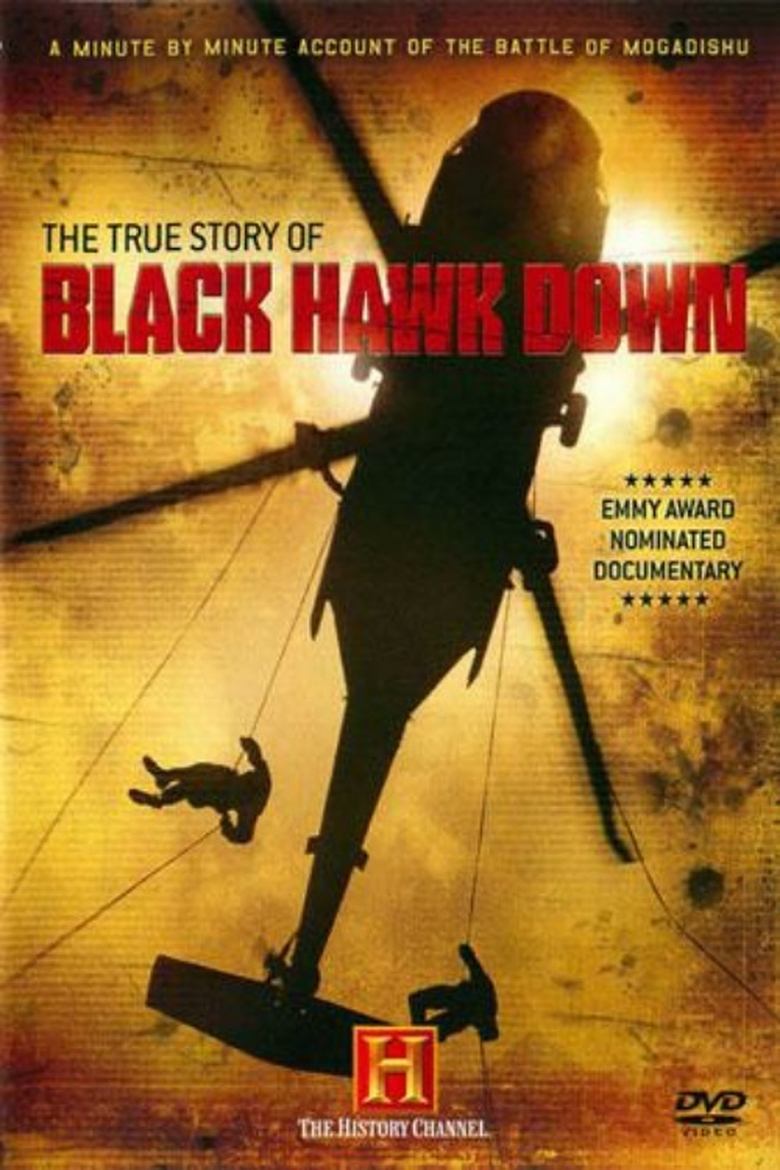
On October 3rd, 1993, 120 Delta Force Commandos and Army Rangers were dropped into the heart of Mogadishu, Somalia. Their mission was a fast daylight raid to kidnap lead terrorist Mohammed Farrah Aidid, who had been killing U.N. workers delivering food to starving Somalis. Aidid’s goal was to control the country by controlling all the food. The mission abruptly changed to a rescue operation. Surrounded by Somali militia, a fierce firefight ensued that left American troops trapped and fighting for their lives. The ordeal left 18 American men dead, 70 wounded, with 3,000 Somalis casualties. This brilliant documentary tells the true story of "Black Hawk Down" through the memories and voices of the American Special Forces survivors. Also included are Somali militiamen as they recount their harrowing experiences of battle.
Overall Score
Fair
Category Breakdown
LGBTQ+ Representation
The documentary focuses strictly on high-intensity military combat and rescue operations. There are no LGBTQ+ characters or narratives exploring non-heteronormative identities present in the film.
Gender Representation
The narrative is heavily centered on male combatants, including Delta Force, Army Rangers, and Somali militia. It lacks female agency or perspective, focusing instead on masculine archetypes of warfare.
Racial & Ethnic Diversity
The film provides a platform for Somali militia members alongside American survivors. This dual-perspective approach avoids a purely Western-centric view by treating Somali combatants as active agents.
Religious & Cultural Diversity
The film explores complex morality by presenting the motivations of both U.S. forces and the Somali militia. It avoids simple dichotomies by framing the conflict through local food security issues.
Disability Representation
The documentary addresses the physical trauma of 70 wounded Americans and thousands of Somali casualties. It potentially explores the lived experience of combat injuries through survivor testimonies.
Strengths
Areas for Improvement
AI Analysis
The documentary distinguishes itself by rejecting a monolithic Western viewpoint. By incorporating the voices of Somali militiamen, it provides a multi-ethnic perspective on the 1993 Mogadishu incident that moves beyond traditional documentary tropes. However, the film is constrained by its subject matter. The focus on combatant experiences results in a heavy emphasis on masculine archetypes and a lack of female or LGBTQ+ representation. Ultimately, the work functions as a nuanced historical document. It trades a simple hero-versus-villain narrative for a more complex study of interventionism and systemic instability.
2016
2017
2021
2022
2004
2022
2017
2023
2008
2018
2015
2016
No reviews yet. Be the first to share your thoughts on this movie!
Use the rating form above to leave a star rating and optional review.