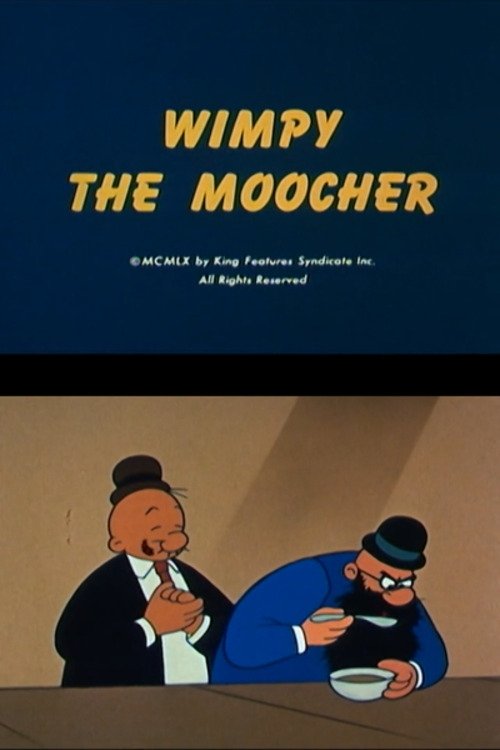
Popeye the Sailor: Wimpy the Moocher
1960
No user ratings available yet
Representation score: 1.6 out of 10
No Poster Available
Representation Score
Minimal
1962
ApprovedDirector
Seymour Kneitel
Runtime
6 minutes
Average Rating
No ratings yetNew Showbiz Analysis
Frog's Legs is a conventional animated short that relies on traditional storytelling clichés. The plot centers on a simple, transactional deception between two child characters, Tubby and Little Lulu, which lacks the depth to explore complex social themes. The film adheres to mid-century character archetypes, particularly in its gender dynamics. While Lulu participates in the action, the narrative power rests with Tubby, who drives the plot through withheld information and manipulation. Ultimately, the work lacks intentional representation or the subversion of established social hierarchies. It functions as a brief, character-driven anecdote rather than a piece of media engaging with multi-layered identities or systemic critiques.
Category Breakdown
The film does not include any LGBTQ+ characters or non-straight identities. The story revolves around a typical interaction between two children.
Little Lulu plays a role in carrying out a task, but the plot is driven by Tubby's manipulation. This reflects mid-century archetypes where male characters act as the primary strategists.
The narrative lacks a diverse cast. It seems to follow the conventional casting norms typical of 1960s American animation.
The story includes a minor instance of social tension due to commercial deception. It serves as a localized anecdote rather than a broader social critique.
No characters with visible or invisible disabilities are present in the narrative. The focus remains solely on the central character conflict.
Present on Screen
Limited or Absent
Official Synopsis
Tubby enlists Little Lulu's help in catching frogs, but he doesn't tell her that he wants to sell them to a restaurant.
1960
1970

1948
1946
1962
1971
1936
1960
No reviews yet. Be the first to share your thoughts on this movie!
Use the rating form above to leave a star rating and optional review.