
Jora 10 Numbaria
2017
No user ratings available yet
Representation score: 1.8 out of 10
Representation Score
Fair
2019
Not RatedDirector
Navdeep Singh
Runtime
155 minutes
Average Rating
No ratings yetNew Showbiz Analysis
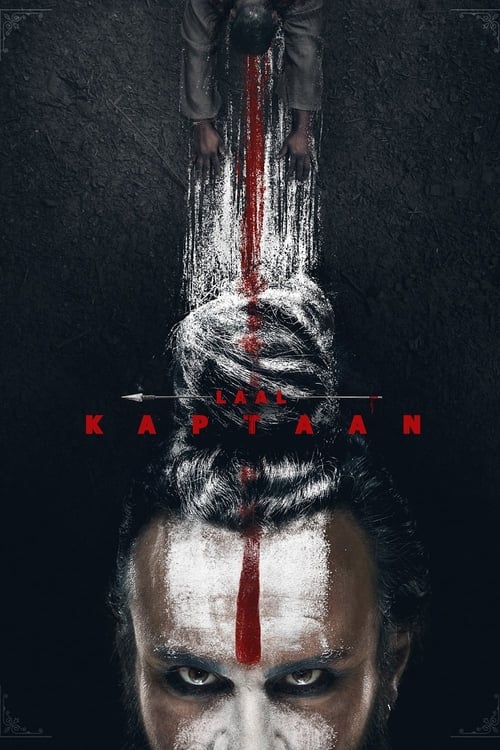
Laal Kaptaan succeeds as a culturally specific drama that challenges Anglo-centric historical narratives. By centering a Naga Sadhu in 18th-century Bundelkhand, the film offers a deeply localized and authentic South Asian perspective. However, the film's social progressiveness is limited. The narrative structure relies on traditional masculine archetypes, leaving little room for challenging gender roles or including LGBTQ+ identities. Ultimately, the film's strength lies in its cultural authenticity and its critique of institutional power, while still adhering to conventional social hierarchies.
Category Breakdown
The film focuses on a traditional, ascetic male protagonist and does not include any non-cisgender identities or stories that challenge the assumption that everyone is straight.
The film follows typical gender hierarchies found in historical action dramas. The male protagonist's journey is centered around his physical and spiritual development, giving him a leading role in the story.
The production achieves high ethnic authenticity by focusing on a Naga Sadhu, providing a localized perspective that avoids a Western viewpoint and prioritizes South Asian identities.
The story delves into complex themes of morality and systemic injustice using a non-Western framework of justice that emphasizes individual spiritual empowerment.
The film lacks significant representation of neurodivergence or physical disabilities. The plot centers on the protagonist's physical and spiritual endurance.
Present on Screen
Limited or Absent
Official Synopsis
In 18th century India, a Naga Sadhu sets out on a journey across Bundelkhand to seek revenge for an injustice committed in the past.
2017

2015

2021

2019

2018

2021

2019
1980
No reviews yet. Be the first to share your thoughts on this movie!
Use the rating form above to leave a star rating and optional review.