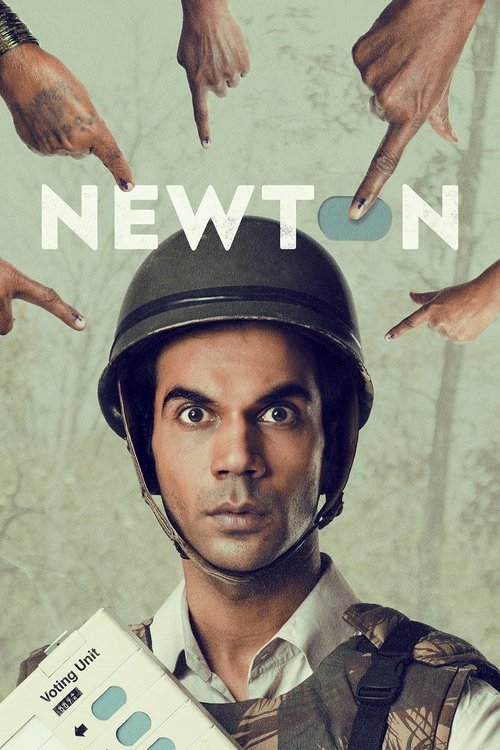
Newton
2017
No user ratings available yet
Representation score: 3.1 out of 10
Representation Score
Limited
2019
Not RatedDirector
Khalid Rahman
Runtime
130 minutes
Average Rating
No ratings yetNew Showbiz Analysis
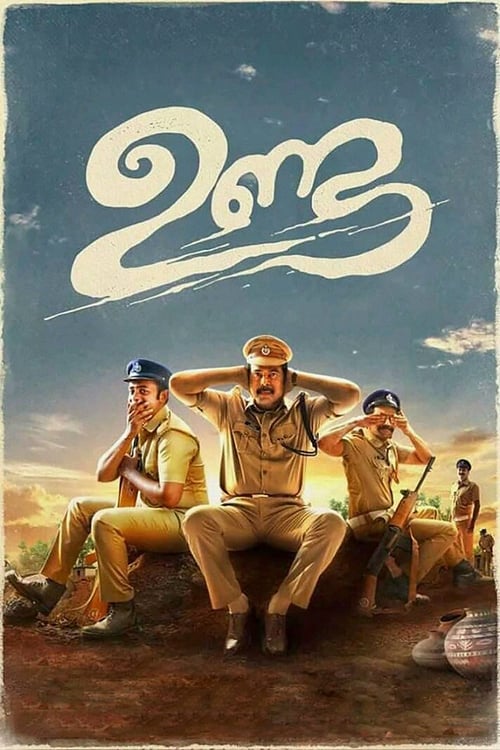
Unda is a film that prioritizes ethnic authenticity and systemic critique over broad demographic representation. It avoids romanticizing poverty and instead highlights the struggles of those affected by structural inequalities. While the film offers a deep look at Punjabi life, it remains confined by traditional gender roles and lacks narratives focused on LGBTQ+ or disability issues. The focus is narrow, centered on the immediate survival of a rural family unit. Ultimately, the film's value lies in its challenge to Western-centric storytelling, using a specific cultural lens to explore universal themes of economic hardship and institutional failure.
Category Breakdown
The film does not include any LGBTQ+ characters or explore non-straight relationships. It focuses solely on the survival of a traditional family in a rural setting.
The film upholds traditional gender roles, with the father serving as the main breadwinner. While not overtly sexist, it emphasizes conventional roles where masculinity is linked to providing for the family.
The film authentically portrays Punjabi rural life through a non-Western cast. It avoids exoticism and highlights specific cultural nuances and lived experiences over cinematic spectacle.
The narrative effectively critiques large-scale economic systems and systemic instability. It uses moral relativism to frame ethical decisions based on survival rather than strict religious or traditional morals.
The film does not prominently depict characters with physical or neurodivergent disabilities that influence the storyline.
Present on Screen
Limited or Absent
Official Synopsis
SI Manikandan and his police team are dispatched to Basthar, a Maoist area for election duty where they aren't trained to handle the attacks in a territory field filled with land mines while being armed with unnecessary ammunition.
2017

2004
2024
2018
2011
2018

2016
2010
No reviews yet. Be the first to share your thoughts on this movie!
Use the rating form above to leave a star rating and optional review.