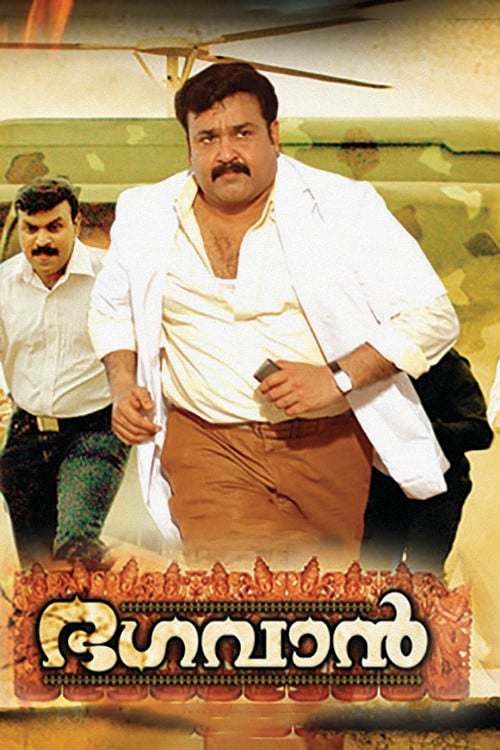
Bhagavan
2009
No user ratings available yet
Representation score: 1.3 out of 10
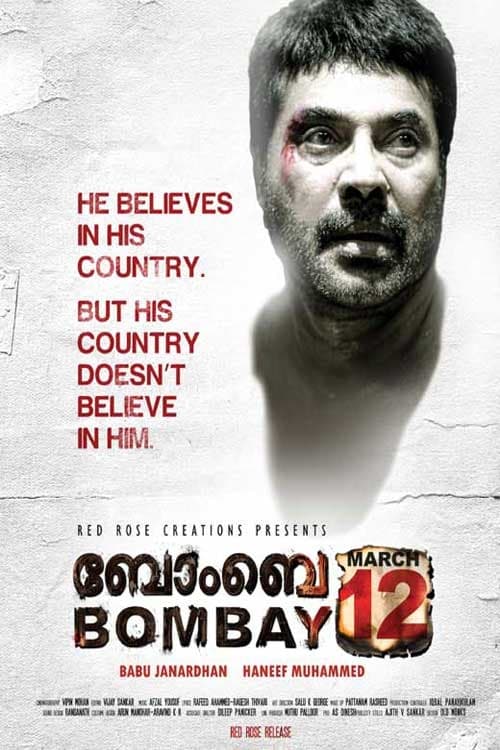
Representation Score
Limited
2011
Director
Babu Janardhanan
Runtime
126 minutes
Average Rating
No ratings yetNew Showbiz Analysis
Bombay March 12 is a social drama that examines the collateral damage caused by systemic suspicion and state surveillance. It moves away from traditional patriotic clichés to focus on how historical events and communal violence impact underrepresented individuals. While the film provides a meaningful critique of institutional power and identity-based profiling, it remains limited in its breadth of representation. The narrative is heavily weighted toward male-driven conflict and lacks diversity in gender, disability, and LGBTQ+ identities. Ultimately, the film's strength lies in its thematic interrogation of how the state labels and monitors specific demographics, positioning the working-class protagonist against the weight of systemic injustice.
Category Breakdown
The film does not include any visible LGBTQ+ characters or narratives addressing non-assuming gender matches what was assigned at birth identities. The story focuses solely on socio-political and familial tensions.
The narrative centers on male-driven conflict and state-individual dynamics. It lacks female characters who play a significant role in driving the story or the subversion of traditional gender hierarchies.
The film engages with religious and ethnic identity within the Indian socio-political landscape. It addresses the lived experiences of demographics facing systemic suspicion.
The story critiques institutional power by portraying the state through a lens of suspicion. It highlights the vulnerability of the working class and perceived outsiders.
There is no mention of characters with physical, sensory, or neurodivergent disabilities in this narrative.
Present on Screen
Limited or Absent
Official Synopsis
The story is about Sameer (Mammootty), a sweeper with the Alapuzha Municipality, who is always on tenterhooks because he is on the police radar whenever there is trouble or an act of terror occurs. Later it is revealed that his brother-in-law Shahjahan (Unni Mukundan) was suspected to be part of the terror team that had planted bombs in Bombay in 1993 and was later killed in an encounter with the Army in Andhra Pradesh.
2009
2001

2000

1999
2008
2004
2008

2007
No reviews yet. Be the first to share your thoughts on this movie!
Use the rating form above to leave a star rating and optional review.