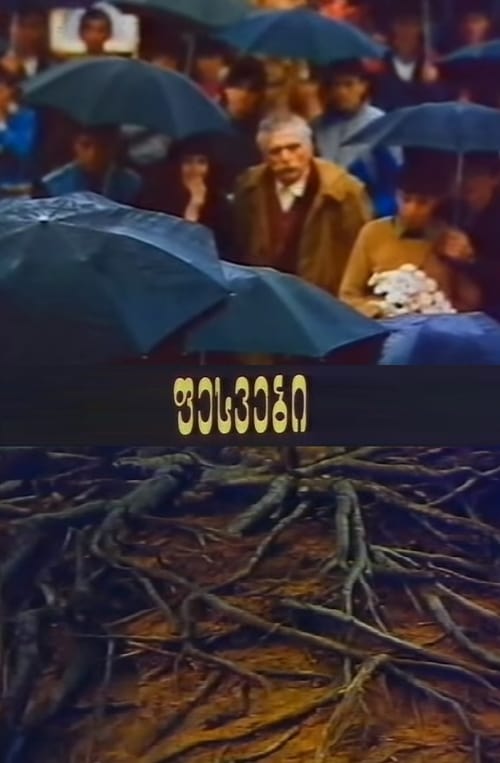
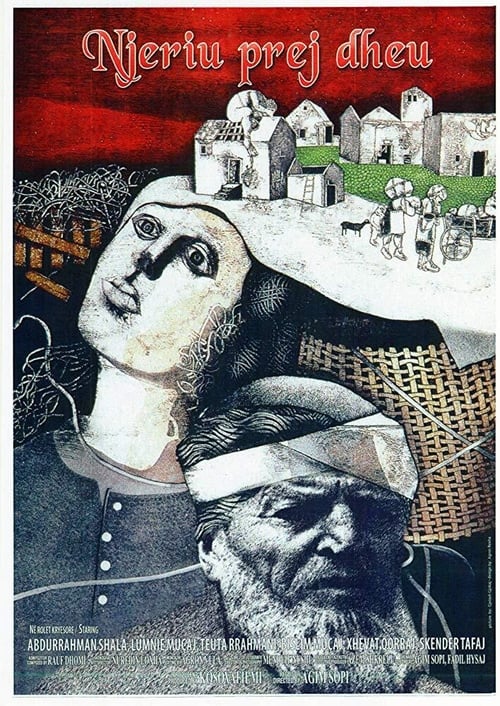
Roots
1987
No user ratings available yet
Representation score: 5.0 out of 10
Representation Score
Fair
1984
Director
Agim Sopi
Runtime
107 minutes
Average Rating
No ratings yetNew Showbiz Analysis
Agim Sopi’s drama is a powerful exploration of ethnic identity and the psychological impact of displacement. It excels by centering the Kosovar Albanian experience, offering a vital counter-narrative to mainstream European cinema through its focus on cultural continuity and ancestral connection. However, the film operates within a traditional framework. Its reliance on patriarchal structures and a lack of diverse gender or LGBTQ+ representation limit its scope regarding social the way different parts of someone's identity overlap. Ultimately, the film’s strength lies in its refusal to prioritize Western ideals of assimilation, choosing instead to honor the specific, localized struggles of a underrepresented people.
Category Breakdown
The film does not prominently feature LGBTQ+ individuals or stories involving queer relationships. It centers on a traditional family structure focused on the protagonist and his heritage.
The story revolves around a patriarchal lineage led by the male protagonist. Female characters have limited roles and do not significantly challenge traditional gender roles.
The film highlights the experiences of Kosovar Albanians, providing significant representation of this community. It challenges mainstream Balkan storytelling by focusing on the unique experiences of the diaspora and their cultural ability to act.
The narrative emphasizes spiritual ties to the homeland, prioritizing ancestral rituals and traditionalist values. The protagonist's final wishes reflect a deep connection to cultural roots and traditions.
The film does not address characters dealing with physical, neurodivergent, or mental health conditions.
Present on Screen
Limited or Absent
Official Synopsis
Sokol is a middle-aged Kosovar Albanian who, together with his family, emigrates from Kosovo to Turkey, and faces the foreign and unknown world. After some time he becomes homesick, eventually leaving his last will he gave to his son that when he dies, his bones will be returned to his native country. He dies near of a cliff at the Black Sea coast. In his native village, the news that Sokol has been returned from emigration are being spread.
1987

1983
1993

1998
1998
2001
2002
2004
No reviews yet. Be the first to share your thoughts on this movie!
Use the rating form above to leave a star rating and optional review.