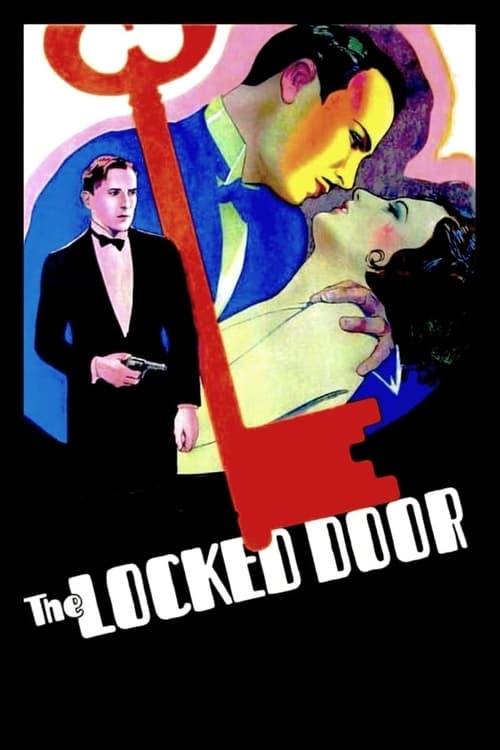
The Locked Door
1929
No user ratings available yet
Diversity score: 3.2 out of 10

1934
NRDirector
Charles Vidor
Runtime
75 minutes
Average Rating
No ratings yetSynopsis
In 1910 Manhattan, Victoria Van Brett, a bitter spinster heiress lives an isolated life with her sister Caroline. Her domineering urges go into overdrive when their half-brother Rip brings a new bride home to the family’s gloomy Fifth Avenue mansion, built by their late industrialist father. The title refers to a secret soundproofed chamber that the villainess uses to entrap her enemies.
Overall Score
Limited
Category Breakdown
LGBTQ+ Representation
The film centers entirely on heteronormative marital and familial structures. There is no evidence of non-cisnormative gender identities or same-sex intimacy.
Gender Representation
Victoria Van Brett disrupts passive tropes by exercising destructive agency and domineering urges. However, the plot remains tied to traditional anxieties regarding female power and reputation.
Racial & Ethnic Diversity
The narrative depicts a homogeneous, upper-class white social stratum in Manhattan. It focuses on an Anglo-Saxon industrialist family with no visible racial or ethnic diversity.
Religious & Cultural Diversity
The story emphasizes the preservation of the family unit and social standing. It reinforces traditional social hierarchies rather than offering a systemic critique of Western institutions.
Disability Representation
There is no evidence of characters with visible or invisible disabilities. Characters are defined by socioeconomic status and temperament rather than physical or neurodivergent identities.
Strengths
Areas for Improvement
AI Analysis
Double Door is a period-specific psychological drama that adheres strictly to the social and demographic norms of 1910 Manhattan. While it provides a nuanced look at female agency through its central antagonist, it lacks intersectional breadth. The film functions as a localized character study of the elite. It focuses on the internal tensions of an aristocratic family, which limits its scope to a very specific, homogeneous demographic. Ultimately, the work lacks the intentionality to disrupt broader systemic or demographic hierarchies, serving instead as a traditional portrait of high-society domesticity.
1929
1965
1948
1989
1971

1928

1991
No reviews yet. Be the first to share your thoughts on this movie!
Use the rating form above to leave a star rating and optional review.