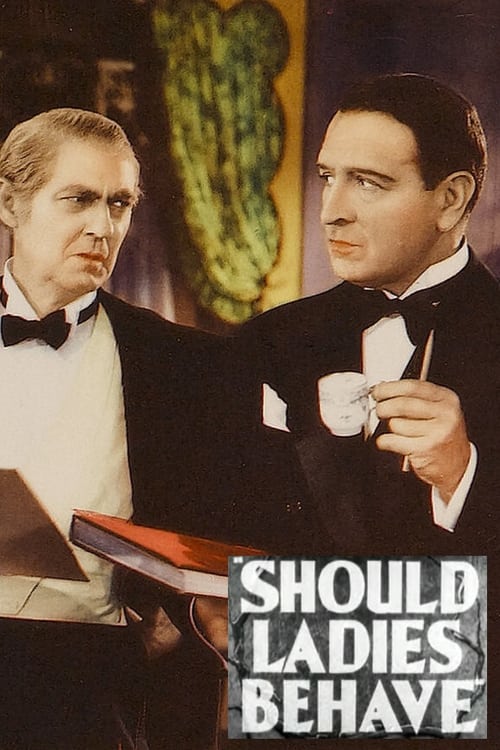
Should Ladies Behave
1933
No user ratings available yet
Representation score: 1.5 out of 10
Representation Score
Limited
1931
NRDirector
Robert Z. Leonard
Runtime
90 minutes
Average Rating
No ratings yetNew Showbiz Analysis
The film is a typical early 1930s romantic comedy-drama. It incorporates diverse ethnic backgrounds and varied character personalities, such as Maria's Italian heritage and Toni's American spirit. However, the narrative remains tied to the era's traditional hierarchies, with the central conflict driven by male patriarchal control. While it avoids actively excluding certain groups, the film lacks the systemic subversion needed for a higher progressive rating, focusing instead on a character-driven exploration of family legacy.
Category Breakdown
The film focuses on traditional heterosexual relationships and biological connections, without including any non-cisgender or LGBTQ+ identities.
Toni is portrayed as an independent woman with aspirations in show business. However, the story is largely driven by the patriarchal decisions of Sir Basil.
The cast features characters from different ethnic backgrounds, including an Italian and an American, which adds diversity to the family unit.
The story examines social morality through the lens of illegitimacy and class status, emphasizing traditional Western values of family and property.
There are no characters with physical or neurodivergent disabilities, and the narrative does not address any visible or invisible impairments.
Present on Screen
Limited or Absent
Official Synopsis
Lonely in his English country estate, Sir Basil decides to gather his grown (albeit illegitimate) children around him in his declining years. He uses a ledger which keeps track of the payments he has been making to ex-lovers to locate 2 of them, and a third is found by a lawyer in New York, her mother was too proud to accept any money. Sir Basil is a curmudgeon, and his three adult children have a hard time with him at first. Toni, the American, is a free spirit who had a budding career in show business. Jeffery is English and a semi-gentleman, and Maria is Italian, with a Latin temperament. They begin to bond, especially Sir Basil and Toni, whose outgoing personality finally wins over the old man. But past lives begin to creep back into the picture and threaten the old man's plans for a life filled with his children.
1933

1931
1932
1937
1935

1921
1938
1958
No reviews yet. Be the first to share your thoughts on this movie!
Use the rating form above to leave a star rating and optional review.