Arizona Bound
1941
No user ratings available yet
Representation score: 1.1 out of 10
Representation Score
Minimal
1942
GDirector
S. Roy Luby
Runtime
58 minutes
Average Rating
No ratings yetNew Showbiz Analysis
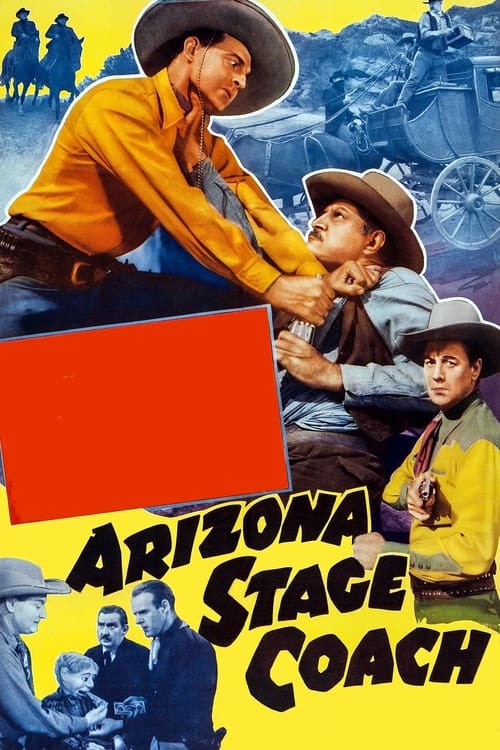
Arizona Stage Coach is a classic B-movie Western that prioritizes efficient, formulaic storytelling over social exploration. The narrative is driven by a male-dominated trio, reinforcing the gender hierarchies of the 1940s. Representation is limited by the genre's conventions, focusing on white protagonists and traditional social institutions. The film operates as a standard genre piece that upholds the status quo of the time. Since the film relies on established clichés of hero versus outlaw, it offers little room for diverse perspectives or the subversion of social norms.
Category Breakdown
The film does not include any LGBTQ+ characters or narratives. It focuses on traditional romantic and social structures typical of 1940s Westerns, emphasizing established friendships and family ties.
The story revolves around a male trio who act as the main drivers of justice. Female characters such as Dorrie Willard play important roles as plot catalysts or figures to be protected.
The narrative reflects the homogeneous casting practices common in early 1940s Westerns. It centers on white protagonists and lacks diverse ethnic perspectives or non-Anglo-Saxon casts.
The film highlights traditional Western values like property protection and law and order. It adheres to established moral binaries rather than exploring complex cultural or moral relativism.
There are no characters with visible or invisible disabilities mentioned in the film's narrative.
Present on Screen
Limited or Absent
Official Synopsis
In the midst of some friendly horseplay on their "Flying R" ranch, the Range Busters, Crash Corrigan, Dusty King and Alibi Terhune, are sobered by the arrival of a buckboard bearing their old friend Larry Meadows and his niece Dorrie Willard. Meadows seeks their aid against a gang of outlaws terrorizing his town. Ernie Willard, Dorrie's brother, has been taken in by Tex Laughlin who is using the Willard ranch as an undercover for his real occupation as a member of a gang of outlaws led by Tim Douglas, a supposed friend of the Willards.
1941

1942
1940
1944
1945

1938
1949
1934
No reviews yet. Be the first to share your thoughts on this movie!
Use the rating form above to leave a star rating and optional review.