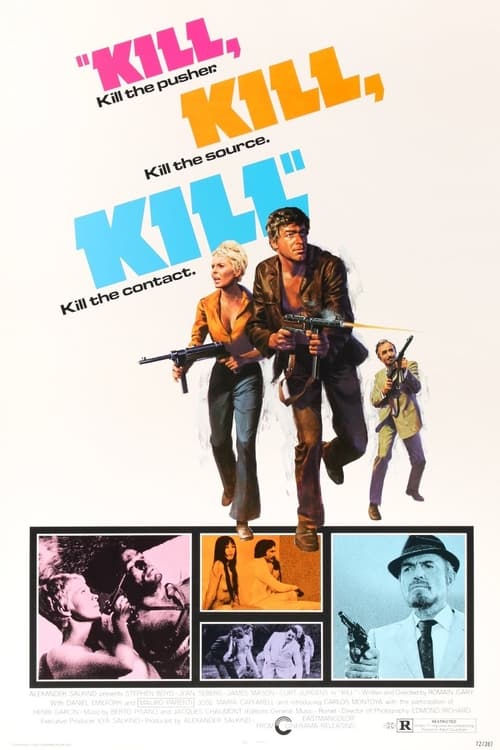
Kill!
1971
No user ratings available yet
Representation score: 4.5 out of 10
Representation Score
Minimal
1987
Director
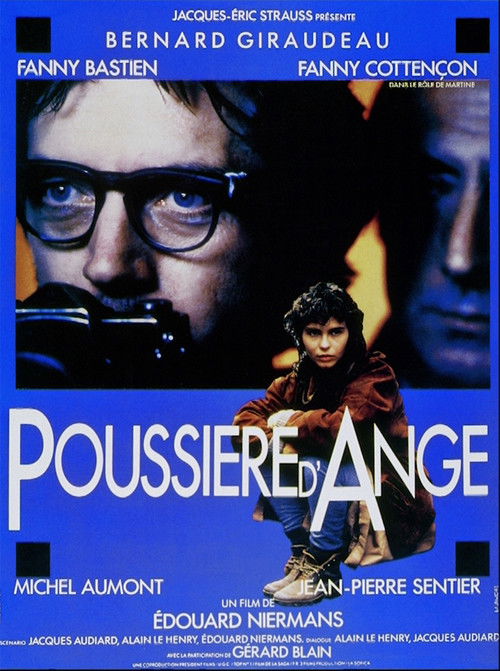
Édouard Niermans
Runtime
95 minutes
Average Rating
No ratings yetNew Showbiz Analysis
Killing Time functions as a conventional 1980s European crime thriller, relying on well-known noir clichés. The narrative centers on a traditional masculine protagonist, limiting opportunities for diverse perspectives and multi-layered identities. The film uses established noir archetypes like the alcoholic investigator and the mysterious woman, which serve the plot but do not challenge systemic social issues.
Category Breakdown
The film follows a traditional framework that assumes everyone is straight. There is no indication of any LGBTQ+ identities or experiences.
The story revolves around a masculine character who is an alcoholic investigator. Female characters are primarily defined by their relationships to the male lead and do not have independent roles.
The film does not provide information about a diverse cast. It seems to follow the homogeneous casting patterns typical of mid-to-late 20th-century French crime films.
The themes of infidelity and the criminal underworld align with standard noir clichés. There is no evidence of a deliberate critique of Western institutions or secular frameworks.
No characters are shown dealing with physical or neurodivergent disabilities. The protagonist's alcoholism is portrayed as a personal flaw rather than a condition explored in depth.
Present on Screen
Limited or Absent
Official Synopsis
A tired and alcoholic police investigator has lost his wife to a hotel owner, and former pimp, but befriends a young woman which isn't at all who she claims to be.
1971
1991
1975

2014

1977
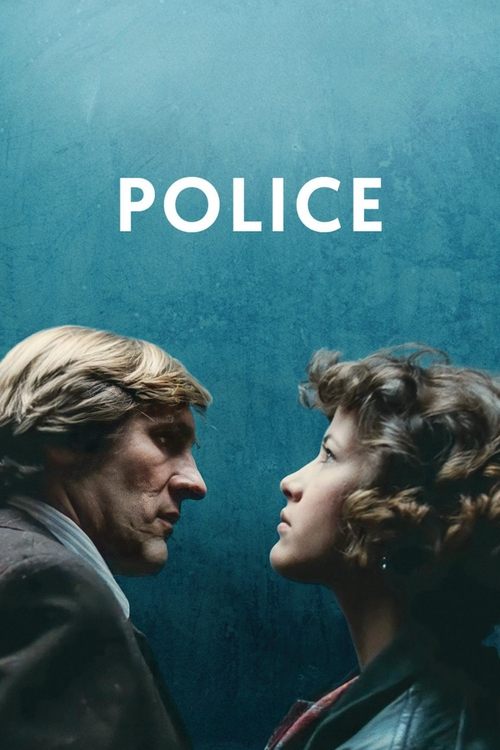
1985
1994
1993
No reviews yet. Be the first to share your thoughts on this movie!
Use the rating form above to leave a star rating and optional review.