
Posture Pals
1952
No user ratings available yet
Representation score: 1.6 out of 10
Representation Score
Minimal
1960
NRRuntime
10 minutes
Average Rating
No ratings yetNew Showbiz Analysis
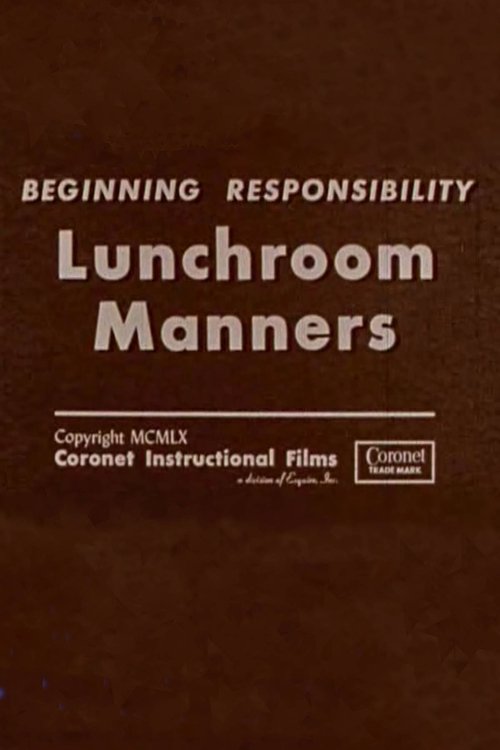
Lunchroom Manners serves as a mid-century instructional film designed to reinforce social cohesion and institutional conformity. The film uses the puppet Mr. Bungle to teach etiquette, prioritizing the maintenance of established cultural norms over character-driven exploration. Since the film's purpose is didactic, it lacks the complexity and diverse representation found in modern media. It functions as a tool for social conditioning, emphasizing compliance with a singular, Westernized standard of behavior. Ultimately, the work does not engage with identity politics, disability, or diverse perspectives, reflecting the conservative and homogeneous social landscape of 1960.
Category Breakdown
The film does not depict any queer narratives or non-straight identities. It stays within the traditional social norms of the 1960s.
The content emphasizes traditional gender roles and behaviors, adhering to conservative standards without challenging gender hierarchies.
The film reflects the homogeneous social standards of its time. There is no inclusion of diverse ethnic perspectives or multi-layered casting.
The narrative upholds traditional institutional values and communal norms. It promotes established social etiquette without critiquing Western institutions.
There is no representation of neurodivergence or physical disabilities. The focus remains on standardized behavioral expectations for all children.
Present on Screen
Limited or Absent
Official Synopsis
This short featuring "Mr. Bungle", a puppet, instructs children on how to best behave in a lunchroom situation.
1952

2018
1956
1949
1950
1954
1963
1946
No reviews yet. Be the first to share your thoughts on this movie!
Use the rating form above to leave a star rating and optional review.