The Screen Director
1951
No user ratings available yet
Diversity score: 2.3 out of 10
1963
GDirector
Lee Mendelson
Runtime
26 minutes
Average Rating
No ratings yetSynopsis
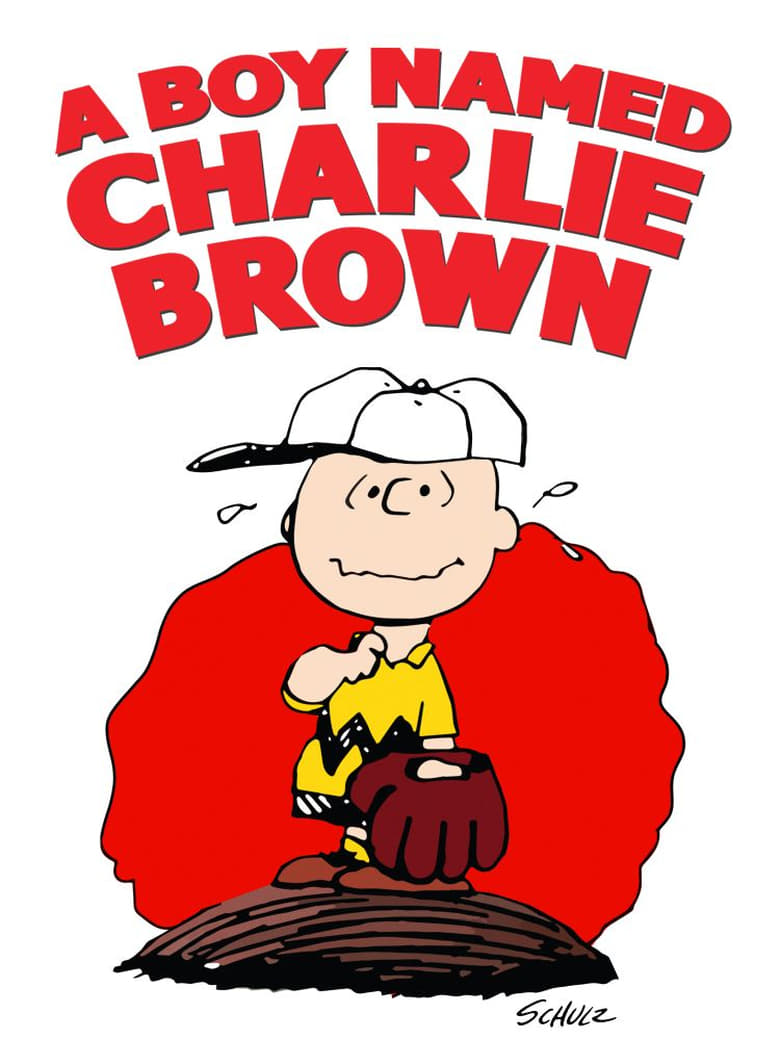
This documentary goes behind-the-scenes with Peanuts creator Charles M. Schulz. This film paved the way for the future success of the Peanuts animated television specials, bringing together for the first time Schulz, animator Bill Melendez, producer Lee Mendelson, and composer Vince Guaraldi.
Overall Score
Minimal
Category Breakdown
LGBTQ+ Representation
The film lacks any presence of non-cisnormative identities or same-sex intimacy. Character dynamics remain strictly heteronormative, adhering to the social constraints of the early 1960s.
Gender Representation
The narrative presents a traditional gender binary. While characters like Lucy exert significant social dominance and intellectual authority, the overall structure reinforces conventional childhood hierarchies.
Racial & Ethnic Diversity
The cast and setting reflect a highly homogeneous demographic. The narrative centers on a racially uniform group, lacking the integration of diverse ethnic identities.
Religious & Cultural Diversity
The film adheres to mid-century Western ideals of childhood and domesticity. It reinforces traditional social structures without engaging in critiques of Western institutions or moral relativism.
Disability Representation
Psychological stressors like loneliness and social anxiety are framed as universal childhood experiences. There is no intentional representation of neurodivergence or specific disabilities.
Strengths
Areas for Improvement
AI Analysis
This documentary captures the foundational era of Peanuts, reflecting the mid-century American social landscape. The creative team focuses on establishing a massive cultural footprint through traditionalist narrative structures rather than intersectional storytelling. The film functions as a mirror to its time, presenting a singular, non-diverse view of the American suburban experience. It prioritizes the individual anxieties of childhood within a stable, conventional social order. Ultimately, the work reinforces established cultural norms. It lacks the systemic critique or demographic complexity required to challenge the power dynamics of the 1960s.
1951

2015
2002
1986
2001
2000

2021

1995
2008
1950
2008
1995
No reviews yet. Be the first to share your thoughts on this movie!
Use the rating form above to leave a star rating and optional review.