Sebastian's Voodoo
2008
No user ratings available yet
Representation score: 5.4 out of 10
Representation Score
Limited
2005
Director
Marco Besas
Runtime
10 minutes
Average Rating
No ratings yetNew Showbiz Analysis
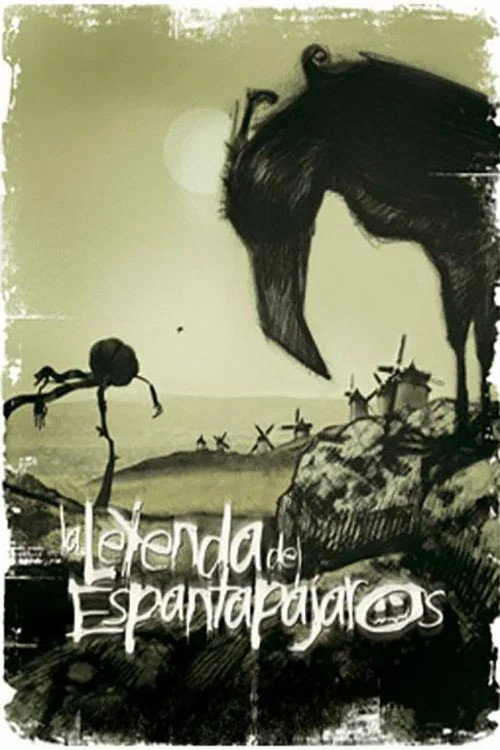
The film operates as a character-driven fable that delves into themes of empathy and vulnerability. By focusing on the relationship between a scarecrow and a disabled crow, the story transcends conventional archetypes to explore social alienation and the quest for autonomy. However, the film lacks explicit representation across most diversity categories. Since the characters are non-human, it steers clear of typical discussions about race, gender, and LGBTQ+ identities, thus limiting its narrative scope. Ultimately, while the film successfully employs disability to drive character development, it remains a concentrated study of individual empathy rather than a broader exploration of systemic diversity.
Category Breakdown
The film does not include any representations of LGBTQ+ identities or address heterosexual assumptions. There is no depiction of same-sex relationships or interactions.
The story focuses on a non-human character, avoiding traditional gender roles. However, the lack of information about supporting characters prevents a thorough examination of gender dynamics.
The characters are anthropomorphic or non-human beings. While these characters can symbolize various concepts, there is no indication that they represent specific racial or ethnic groups.
The narrative emphasizes the protagonist's personal journey by challenging his predefined social role. This approach highlights a nuanced moral framework.
A blind, injured crow serves as a key element in the protagonist's emotional transformation. This portrayal uses the crow's vulnerability to enhance the story rather than serving merely as a plot device.
Present on Screen
Limited or Absent
Official Synopsis
A lonely scarecrow tries to befriend a group of birds without success, and he can't understand why they don't want to approach him. A blind wounded crow falls at his feet and the scarecrow takes care of it; through the bird he learns why the crows are afraid from scarecrows. After learning the news, he walks to his owner's house in the middle of the night, wakes him up, and asks him to give him another job. Little does he know that such an innocent request will bring what follows upon him
2008
2019

2015
2009

1998
2013
1965
2002
No reviews yet. Be the first to share your thoughts on this movie!
Use the rating form above to leave a star rating and optional review.