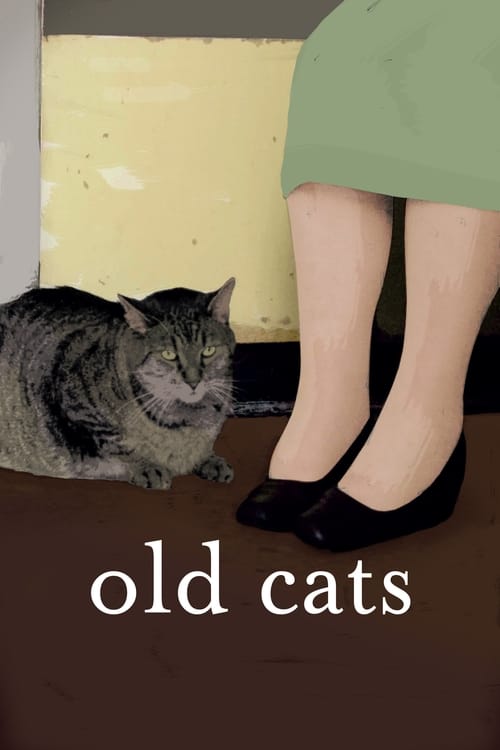
Old Cats
2010
No user ratings available yet
Representation score: 6.1 out of 10
Representation Score
Fair
2010
Director
Agustí Vila
Runtime
95 minutes
Average Rating
No ratings yetNew Showbiz Analysis
The film is a character-driven domestic drama that explores the complexities of cognitive decline and emotional withdrawal. It moves away from idealized family structures by focusing on the realities of Alzheimer's and the eccentricities of a grandson seeking escapism. However, the narrative lacks depth in representing diverse identities. The absence of LGBTQ+ characters and racial diversity keeps the score low, as the setting appears to follow a conventional, homogeneous domestic structure. Ultimately, the film succeeds in portraying situational reality over traditionalist stability, even if it lacks overt systemic critique or diverse casting.
Category Breakdown
The film does not include any LGBTQ+ characters or explore queer identities. There is no representation of non-traditional gender or sexual orientations.
Alice challenges Miguel's authority, disrupting traditional gender roles. However, the characters' roles are still defined by domestic responsibilities.
The story focuses on a single family unit within a flat. There is no indication of racial diversity or blending.
The film deconstructs the ideal family unit by highlighting marital instability and cognitive decline. It avoids promoting a sanitized, traditional Western family ideal.
Maria’s Alzheimer's disease provides meaningful representation of neurocognitive disability. Luis’s social withdrawal suggests an exploration of neurodivergent coping mechanisms.
Present on Screen
Limited or Absent
Official Synopsis
Maria suffers from Alzheimer's disease. Luis, Maria's fifteen-year-old grandson, doesn't say very much either; he shuts himself off in his own silent world to escape his parent's marital crisis, spending time instead picking up stray cats and dogs off the street. His father, Miguel, wants to put a stop to this eccentric behavior, but his protective mother Alice indulges him. Nevertheless, the animals begin to appear at home in increasing numbers, making life complicated for the family in their flat.
2010
2011
2012
2017
2017

2014
2005

2017
No reviews yet. Be the first to share your thoughts on this movie!
Use the rating form above to leave a star rating and optional review.