Land of the Quintuplets
1942
No user ratings available yet
Diversity score: 2.1 out of 10
1947
ApprovedRuntime
8 minutes
Average Rating
No ratings yetSynopsis
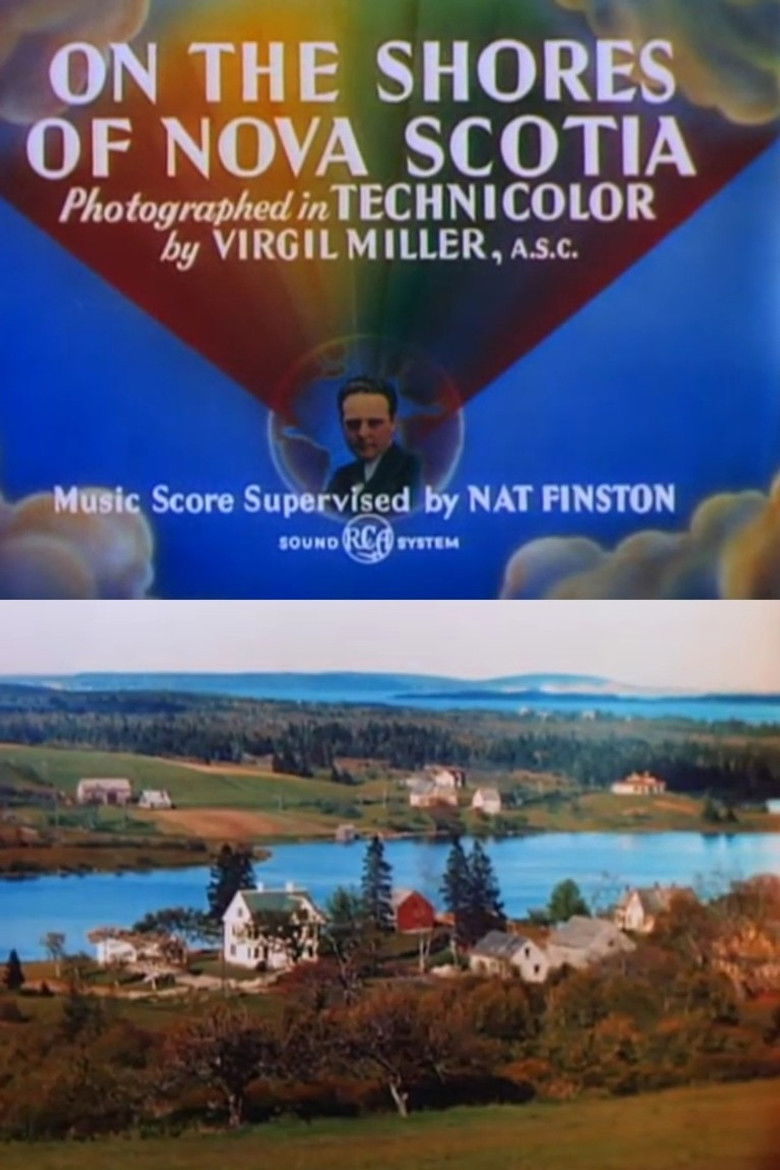
In this Traveltalk look at Canada's province of Nova Scotia, we visit several coastal communities. The first stop is Lunenburg, where deep sea fishing and shipbuilding are the main industries. Other stops include Blue Rocks, where lobstering is an important source of income, and Peggy's Cove, known for its artist community. Here we meet artist Earl Bailly, who contracted polio at the age of 3 and learned to paint by holding the brush between his teeth.
Overall Score
Limited
Category Breakdown
LGBTQ+ Representation
The film contains no discernible depiction of LGBTQ+ identities. There is no evidence of queer presence or non-heteronormative relationship structures within the maritime narrative.
Gender Representation
The narrative focuses heavily on masculine spheres like shipbuilding and deep-sea fishing. While women exist within the community, they do not drive the central industrial story.
Racial & Ethnic Diversity
The film reflects the demographic homogeneity of 1947 Atlantic coastal communities. It focuses on Anglo-Saxon maritime traditions without emphasizing racial or ethnic plurality in the workforce.
Religious & Cultural Diversity
The documentary celebrates regional heritage and traditional Western industry. It reinforces a traditionalist view of community stability through the lens of manual labor and craftsmanship.
Disability Representation
Artist Earl Bailly provides a significant moment of representation. The film centers his creative mastery and agency despite his polio, avoiding typical tropes of pity.
Strengths
Areas for Improvement
AI Analysis
On the Shores of Nova Scotia is a localized ethnographic study of mid-20th-century maritime life. It primarily documents the intersection of industrial labor and regional identity through shipbuilding and fishing. The film's diversity is limited by its era, presenting a largely homogeneous Anglo-Saxon community and traditional gendered divisions of labor. Most roles depicted are centered on physically demanding, masculine industries. However, the documentary transcends a purely traditionalist study by featuring Earl Bailly. His portrayal as a skilled artist who paints using a brush held in his teeth offers a powerful depiction of individual agency and neuro-physical adaptation.
1942

1935

1981
1963

2014
1950
1935
1951

1949
1950

1940

1931
No reviews yet. Be the first to share your thoughts on this movie!
Use the rating form above to leave a star rating and optional review.