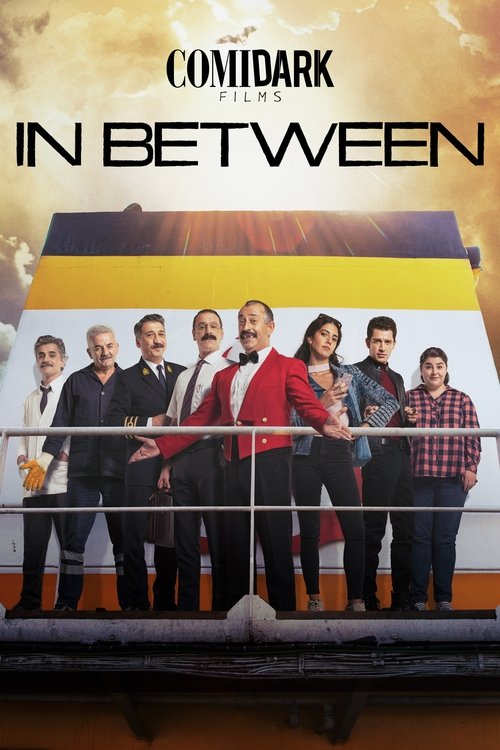
Comidark Films: In Between
2019
No user ratings available yet
Diversity score: 4.5 out of 10
2016
Director
Yüksel Aksu
Runtime
115 minutes
Average Rating
No ratings yetSynopsis
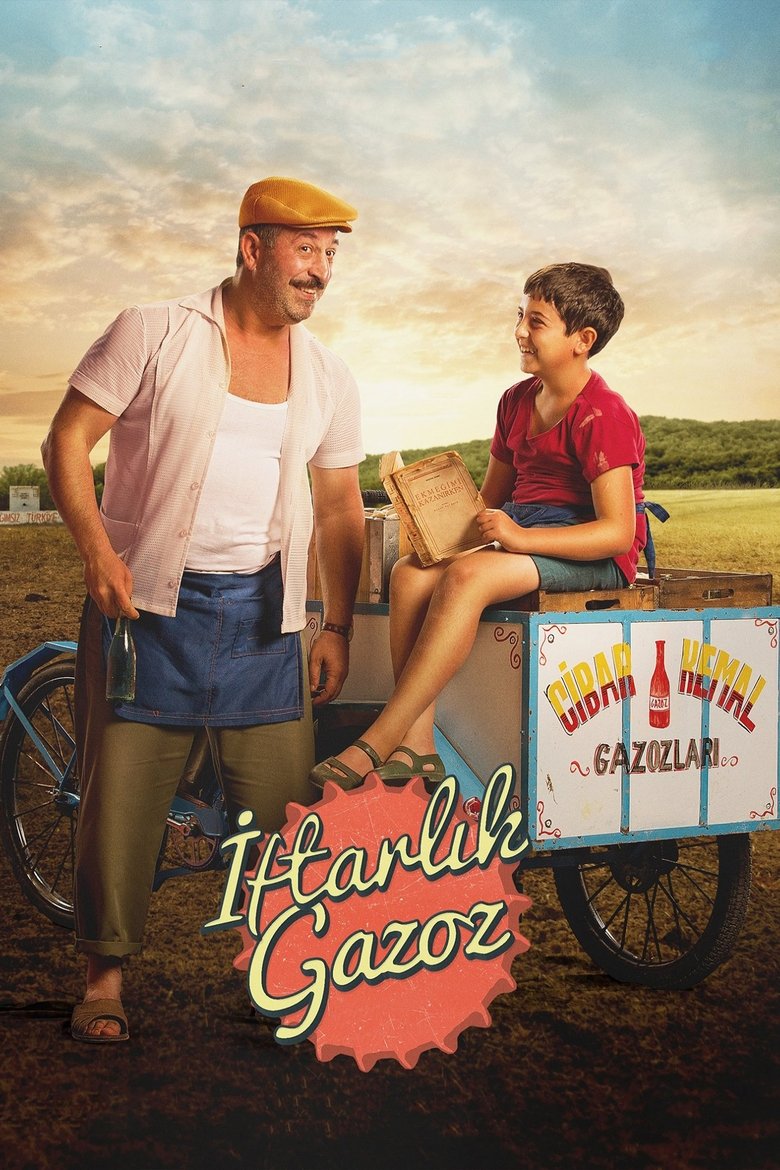
In early 1970s, Adem is a boy living in an Aegean village with his family. He just finished the primary school and he wants to work while he's on summer holiday. He gets permission from his family to work for a soda pop seller named Ciber Kemal. But the Ramadan has just came and Adem wants to do his fast while he's working. But he starts seeing hallucinations because of the hot summer day. It seems it's going to be the longest day of Adem.
Overall Score
Fair
Category Breakdown
LGBTQ+ Representation
The narrative focuses on a child's coming-of-age journey within a traditional religious framework. There is no explicit evidence of LGBTQ+ characters or non-heteronormative identities in the plot.
Gender Representation
The story centers on the male experience, specifically the development of a young boy and his interactions with men. The synopsis lacks evidence regarding female agency or the subversion of gender hierarchies.
Racial & Ethnic Diversity
Set in a 1970s Aegean village, the film offers specific localized culture. While ethnically homogeneous within its Turkish setting, it provides a non-Western perspective that avoids globalized cinematic norms.
Religious & Cultural Diversity
The film engages deeply with Ramadan and 1970s Turkish village life. It prioritizes religious observance and the physical challenges of fasting over secular or anti-institutional critiques.
Disability Representation
Adem experiences hallucinations due to heat and fasting. While these are physiological responses, the film explores altered states of consciousness and the fragility of human perception.
Strengths
Areas for Improvement
AI Analysis
İftarlık Gazoz is a period piece that prioritizes historical and religious authenticity. It captures a specific moment in Turkish village life through the eyes of a young boy navigating the challenges of Ramadan. The film succeeds in providing a localized, non-Western perspective. By focusing on the sensory experiences and hallucinations of the protagonist, it offers a subjective lens on traditional customs. However, the narrative architecture remains traditional. It lacks explicit intersectional markers, diverse gender roles, or systemic critiques of the social hierarchies present in the 1970s setting.
2019
2009
2020
2011
2014
1987
2017

2020
2017
1980
2015
2005
No reviews yet. Be the first to share your thoughts on this movie!
Use the rating form above to leave a star rating and optional review.