
Looney Tunes Spotlight Collection: The Premiere Edition
2004
No user ratings available yet
Representation score: 4.1 out of 10
Representation Score
Limited
2000
Not RatedDirector
Joseph Barbera, William Hanna
Runtime
89 minutes
Average Rating
No ratings yetNew Showbiz Analysis
This anthology serves as a historical preservation of mid-century slapstick animation. The creative focus remains on kinetic energy and physical comedy rather than intentional sociopolitical commentary or the deconstruction of identity hierarchies. The narrative structure relies on cyclical conflict and escapism. Because the characters are anthropomorphic animals, the work avoids direct racial or gendered categorization, but it also fails to provide intentional multi-layered breadth. Ultimately, the collection prioritizes established, repetitive formulas. It does not seek to challenge social hierarchies or offer nuanced perspectives on disability, culture, or identity.
Category Breakdown
The compilation lacks explicit depictions of LGBTQ+ identities or non-cisgender gender expressions. Romantic pursuits in shorts like Zoot Cat remain framed within traditional heterosexual relationships.
Narrative dynamics focus on a rivalry between anthropomorphic animals that is gender-neutral. Female characters typically appear as traditional archetypes, such as romantic interests or passive participants in the slapstick.
The use of anthropomorphic animals provides abstraction that avoids direct racial categorization. However, the settings and social dynamics reflect a homogeneous, traditional Western domesticity.
The film adheres to traditional Western comedic structures without engaging in institutional critique. Morality is largely binary, centered on the immediate survival and triumph of the characters.
There is no meaningful representation of neurodivergence or chronic illness. Physical trauma serves as a temporary comedic device rather than an exploration of lived experience or ability to act.
Present on Screen
Limited or Absent
Official Synopsis
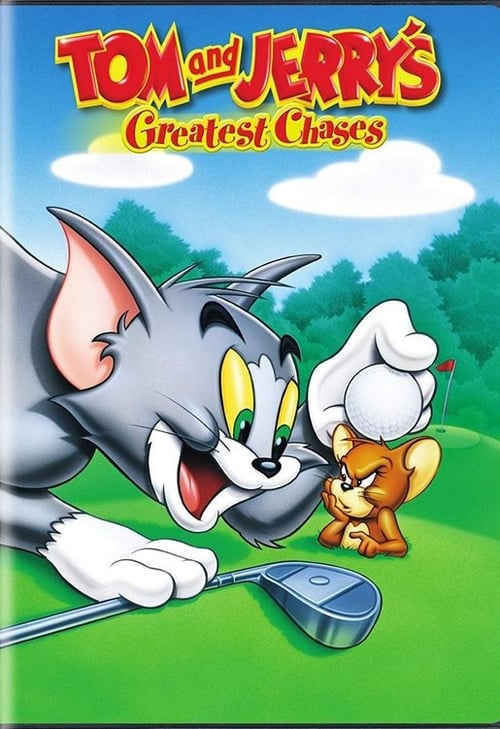
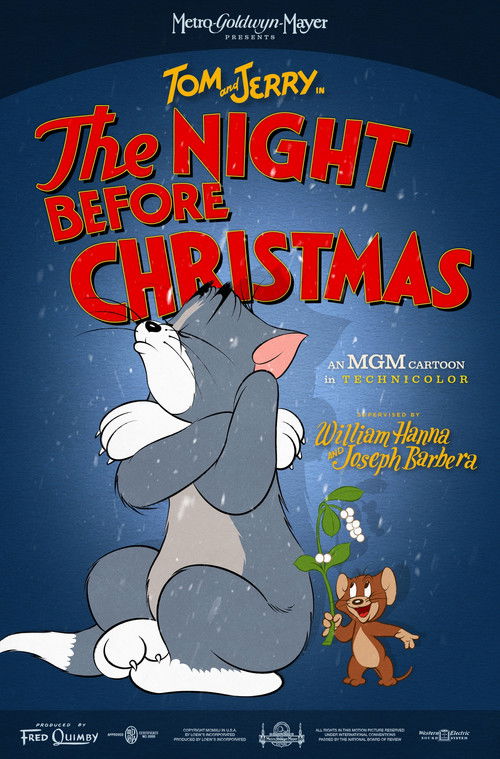
A compilation of 14 Tom and Jerry original classic shorts: Yankee Doodle Mouse; Salt Water Tabby; Tee For Two; Mice Follies; The Cat Concerto; Solid Serenade; Zoot Cat; Johann Mouse; Dr. Jeckyl and Mr. Mouse; Mouse in Manhattan; Jerry and the Lion; The Little Orphan; Kitty Foiled; Jerry's Diary
2004
1981
2004

1979
1941
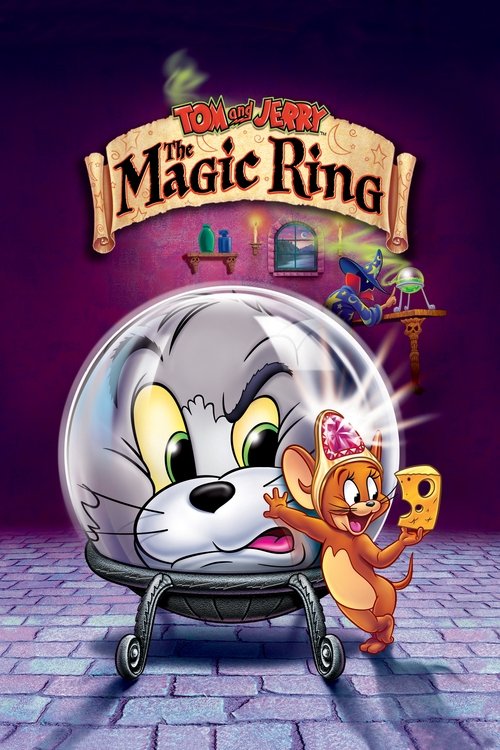
2002
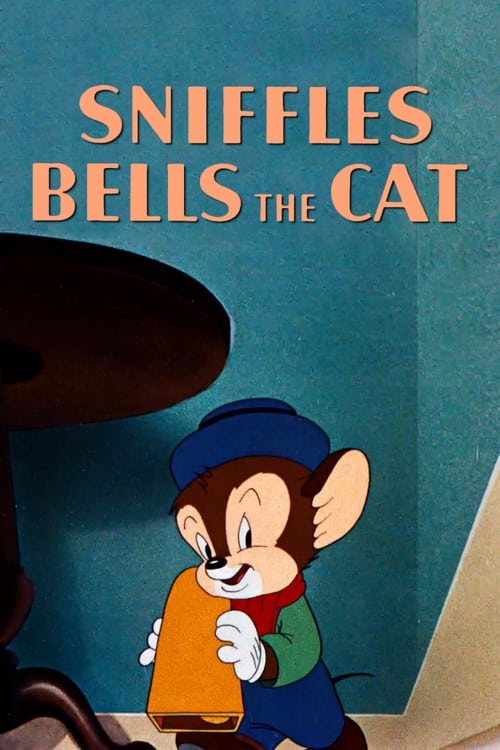
1941
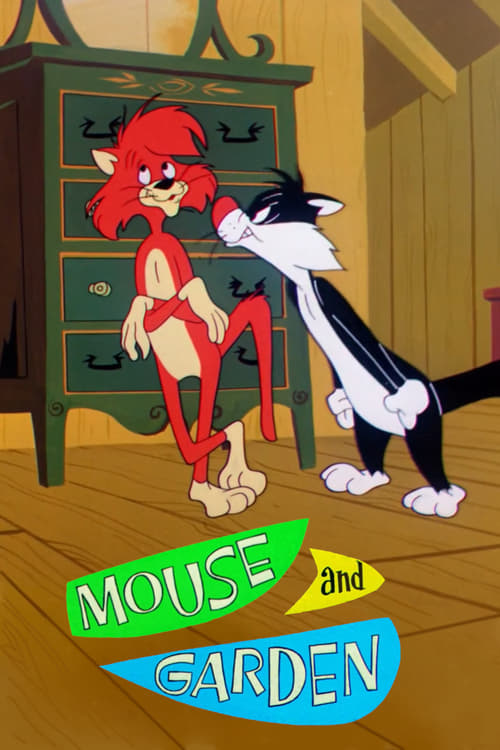
1960
No reviews yet. Be the first to share your thoughts on this movie!
Use the rating form above to leave a star rating and optional review.