Manhunt: The Inside Story of the Hunt for Bin Laden
2013
No user ratings available yet
Diversity score: 1.2 out of 10
2011
18+Director
Peter Schnall
Runtime
45 minutes
Average Rating
No ratings yetSynopsis
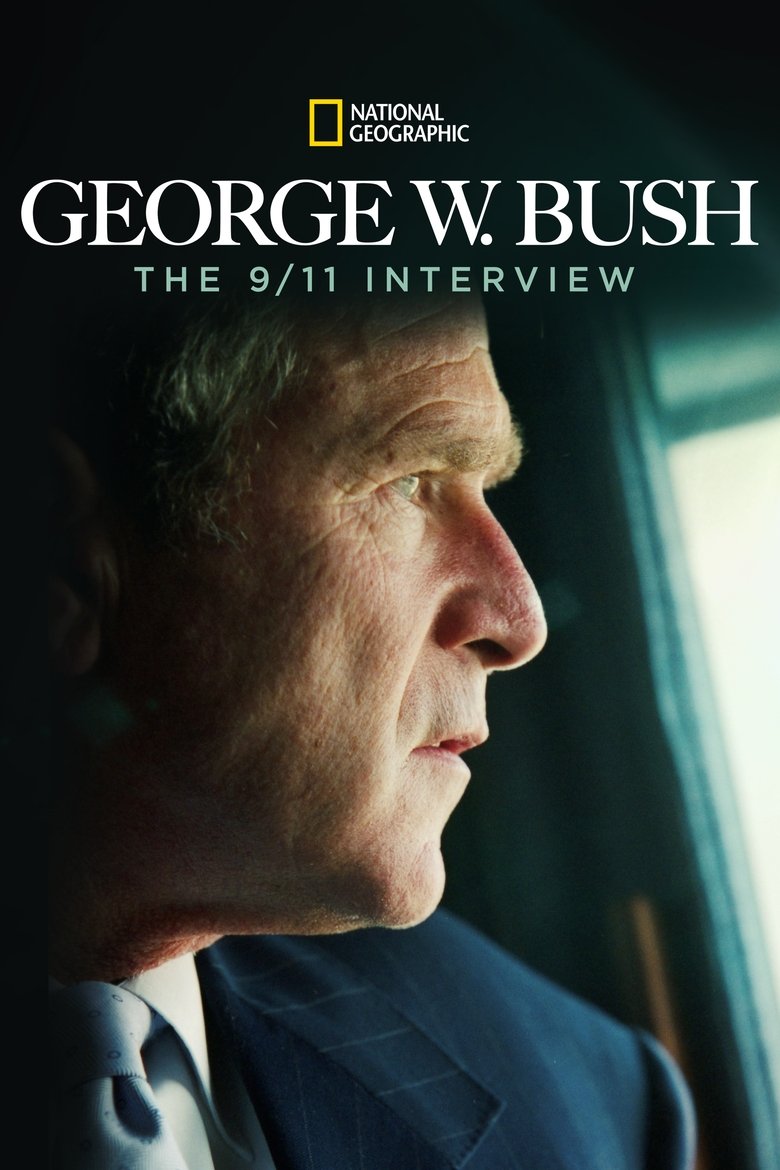
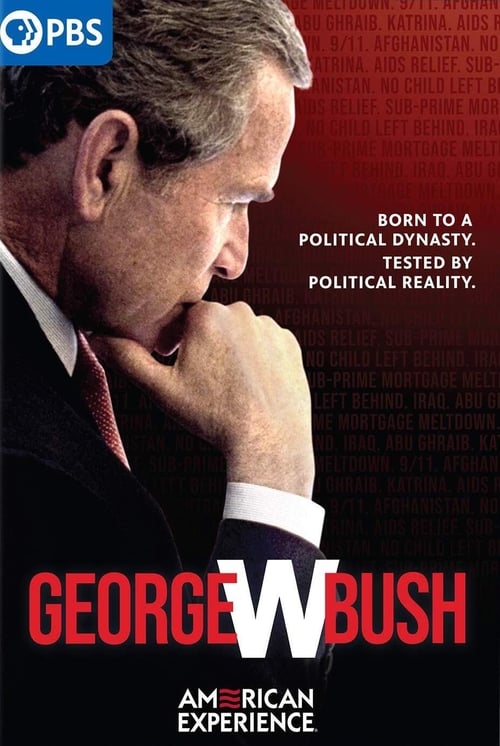
In the National Geographic Channel special, “George W. Bush: The 9-11 Interview,” the former President talks about the chaotic moments after the attacks and the reasoning behind decisions he made that day. Bush reflects on being told about the attacks while visiting schoolchildren in Florida and the difficulty in getting accurate information in what he calls “the fog of war.” He also talks about returning to the White House to address Americans in the hours after the terrorist attacks. Fearing a possible psychological boost for al-Qaeda, Bush said he, quote, “damn sure wasn’t going to give it from a bunker in Nebraska.” The former President recalls the emotional visit to Ground Zero just three days after the World Trade Center Towers were destroyed. He describes “a palpable bloodlust” among workers in the ruins who were encouraging him to retaliate against those behind the attacks.
Overall Score
Minimal
Category Breakdown
LGBTQ+ Representation
The film contains no LGBTQ+ characters or narratives. It focuses strictly on geopolitical reflection within a traditional framework.
Gender Representation
The content centers on a singular male figure, reinforcing traditional masculine leadership. There is no significant presence of female agency or subversion of gendered power dynamics.
Racial & Ethnic Diversity
The film maintains a homogeneous perspective centered on a white, Western leader. It lacks diverse casting or a multi-ethnic narrative lens.
Religious & Cultural Diversity
The narrative reinforces traditional Western institutional values and patriotism. It does not engage in critiques of Western hegemony or religious institutions.
Disability Representation
There is no visible or invisible disability representation within this interview.
Strengths
Areas for Improvement
AI Analysis
This documentary functions as a singular, biographical retrospective. It utilizes a monologic interview format that prioritizes a traditional Western institutional viewpoint. Because the film is a journalistic inquiry into a specific head of state, it lacks the structural complexity required for intersectional character development. The production adheres to a traditionalist framework, emphasizing the legitimacy of established power structures. The narrative focuses on nationalistic resilience and the continuity of political institutions rather than exploring identity politics. Ultimately, the film serves to document a specific historical moment through the lens of a single, authoritative viewpoint, resulting in a lack of social or cultural breadth.
2013
2002

2011

2009
2012
2013
2005
2004
2011
2006
2020

2007
No reviews yet. Be the first to share your thoughts on this movie!
Use the rating form above to leave a star rating and optional review.