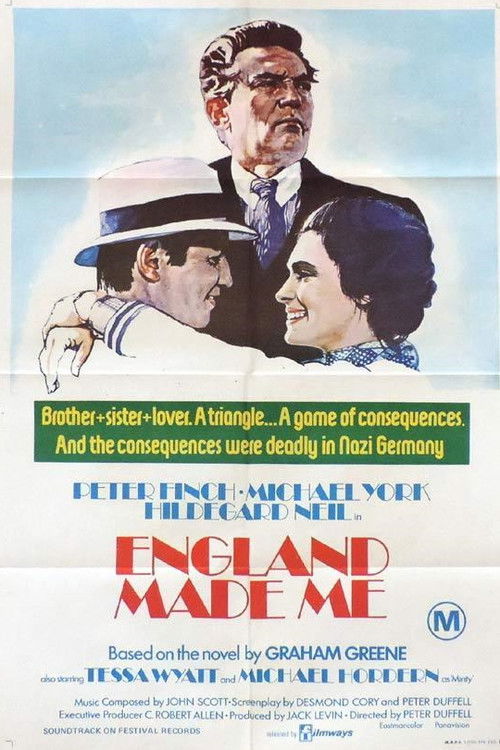
England Made Me
1973
No user ratings available yet
Diversity score: 3.2 out of 10

1936
ApprovedDirector
Brian Desmond Hurst, Walter Summers
Runtime
68 minutes
Average Rating
No ratings yetSynopsis
In 1921, as Irish nationalists battle with British authorities, a young girl is torn between loyalty to her brother, an IRA leader, her fiance, a police inspector, and his comrade and rival in love, a British Army captain.
Overall Score
Limited
Category Breakdown
LGBTQ+ Representation
The story focuses on a central romantic conflict between a woman and three men. There is no evidence of same-sex intimacy or non-cisnormative identities.
Gender Representation
A female protagonist provides some agency, but her role is defined by her loyalty to various men. Her experience is framed through relationships with male authority figures.
Racial & Ethnic Diversity
The setting reflects the homogeneous ethnic landscape of the Irish War of Independence. There is no indication of intersectional racial blending or non-Anglo-Saxon perspectives.
Religious & Cultural Diversity
The film explores national identity and resistance against British colonial authority. However, the focus on romantic tragedy may dilute the systemic critique of the state.
Disability Representation
There is no evidence regarding the depiction of physical or neurodivergent disabilities in the narrative.
Strengths
Areas for Improvement
AI Analysis
Ourselves Alone is a period drama that prioritizes traditional romantic and nationalistic tensions over intersectional complexity. While it engages with the friction between colonial institutions and Irish identity, the narrative remains tethered to 1930s storytelling tropes. The film's structure relies heavily on heteronormative romantic conflicts. The female lead's agency is largely filtered through her connections to the men in her life, including her brother, fiancé, and various military figures. Ultimately, the film lacks systemic subversion. It presents a localized ethnic conflict without incorporating broader racial or social diversity, resulting in a narrow narrative scope.
1973
1936
1937
1921
2013
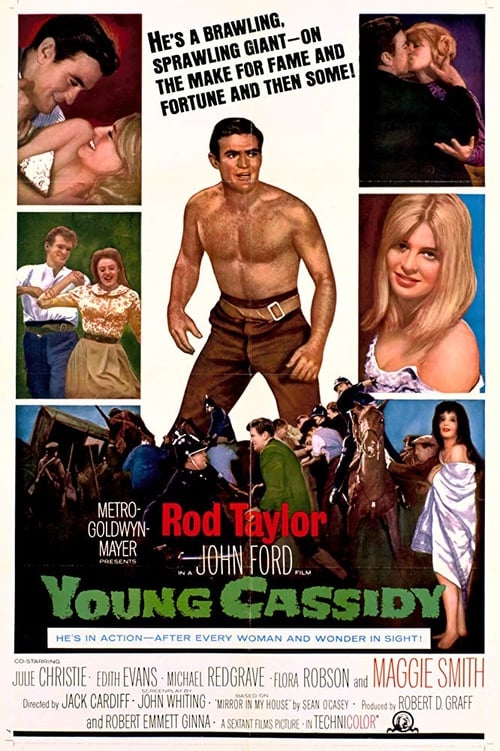
1965
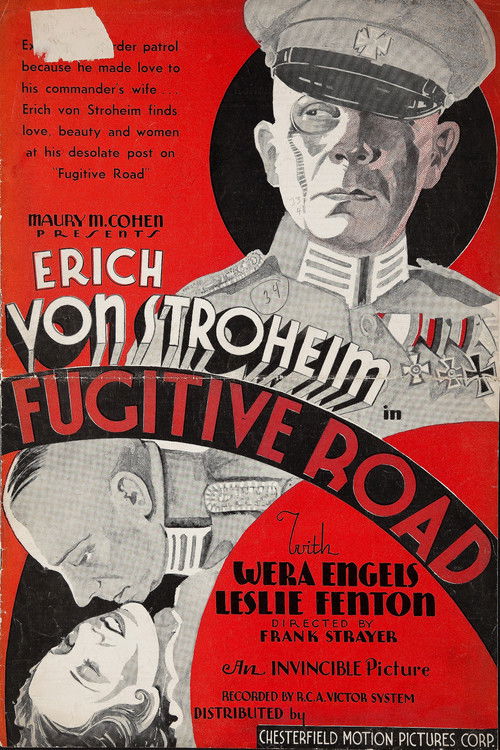
1934

1947
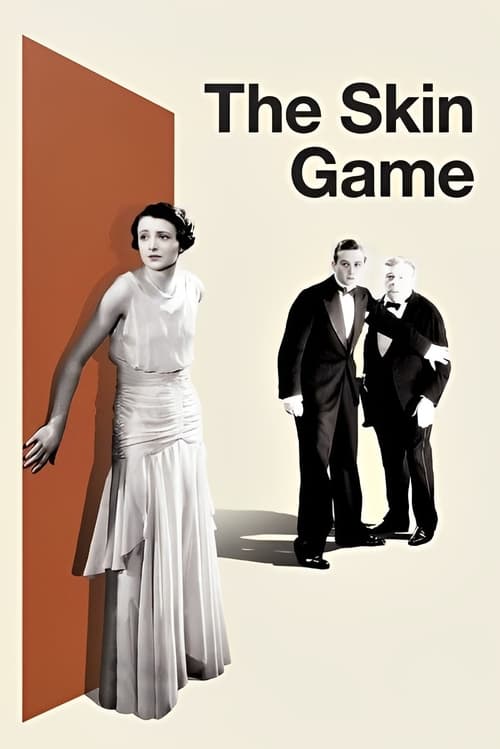
1931
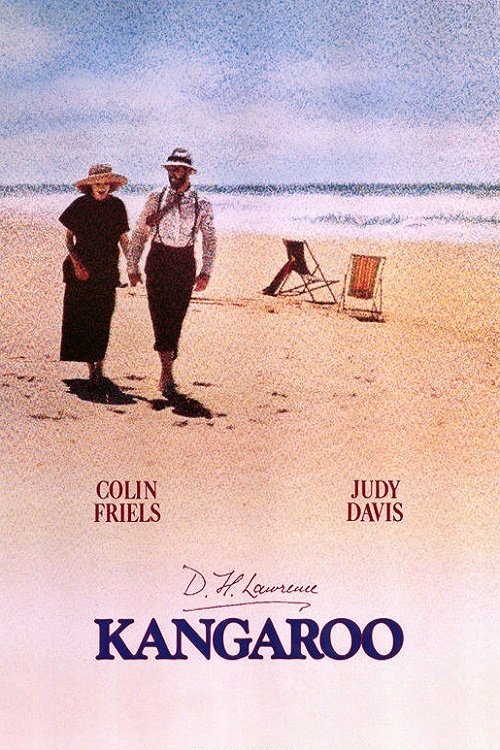
1986
1946
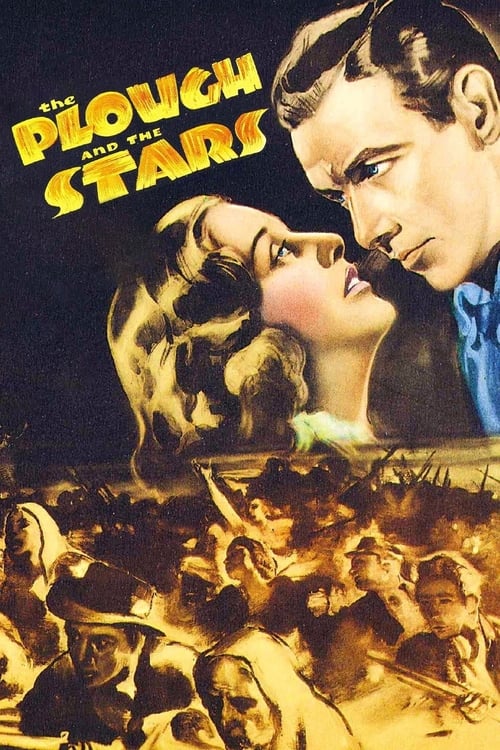
1936
No reviews yet. Be the first to share your thoughts on this movie!
Use the rating form above to leave a star rating and optional review.