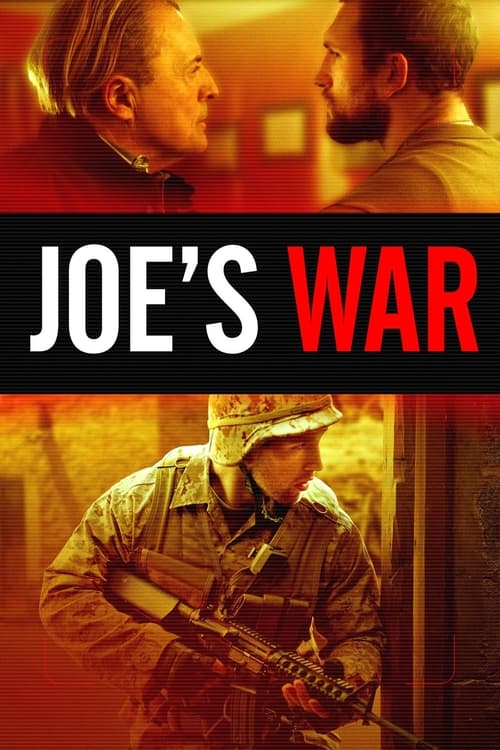
Joe's War
2017
No user ratings available yet
Representation score: 5.2 out of 10
Representation Score
Good
2020
Director
Samuel Gonzalez Jr.
Runtime
84 minutes
Average Rating
No ratings yetNew Showbiz Analysis
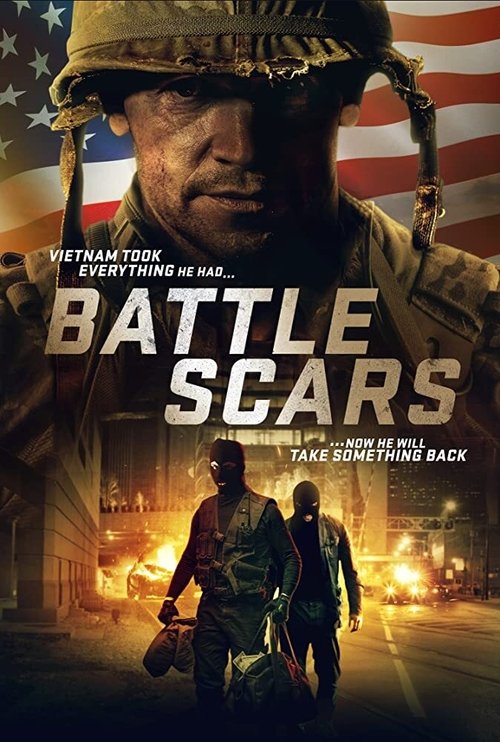
Battle Scars aims to move beyond conventional war clichés by emphasizing the human cost of systemic conflict. The film prioritizes the psychological transition from civilian to combatant, providing a character-driven look at the Vietnam War era. The production benefits from a diverse creative team and cast, which helps avoid purely Anglo-centric perspectives common in mid-century war films. This approach allows for a more nuanced exploration of identity and the intersection of race and military service. However, the film remains somewhat constrained by its genre. The focus on masculine archetypes and the lack of explicit LGBTQ+ narratives suggest a story that may still rely on traditional period-accurate social hierarchies.
Category Breakdown
While the film includes Arturo Castro's casting, which might hint at subtext, there are no explicit LGBTQ+ character arcs or narratives. The Vietnam War setting may sideline these identities.
The story focuses on the male experience of the Vietnam draft and masculine archetypes. Female characters like Arielle Brachfeld provide a domestic perspective, though their role in challenging gender hierarchies is unclear.
Casting Arturo Castro and directing by Samuel Gonzalez Jr. suggest an effort to move away from purely Anglo-centric war dramas. The film explores racial identity within the context of systemic mobilization.
By focusing on the psychological struggle of life before and after war, the film avoids patriotic idealism. It presents a somber view of military institutions and the systemic impact of conflict.
The narrative implies physical or psychological trauma, such as PTSD, following the war. However, it is unclear if these conditions are portrayed with real power or used merely as plot devices.
Present on Screen
Limited or Absent
Official Synopsis
After his best friend is drafted to fight in Vietnam, a young man must grapple with the reality of life before and after war.
2017
1987
2008
1994

1987

2005
2002

2014
No reviews yet. Be the first to share your thoughts on this movie!
Use the rating form above to leave a star rating and optional review.